
Last updated October 30, 2026
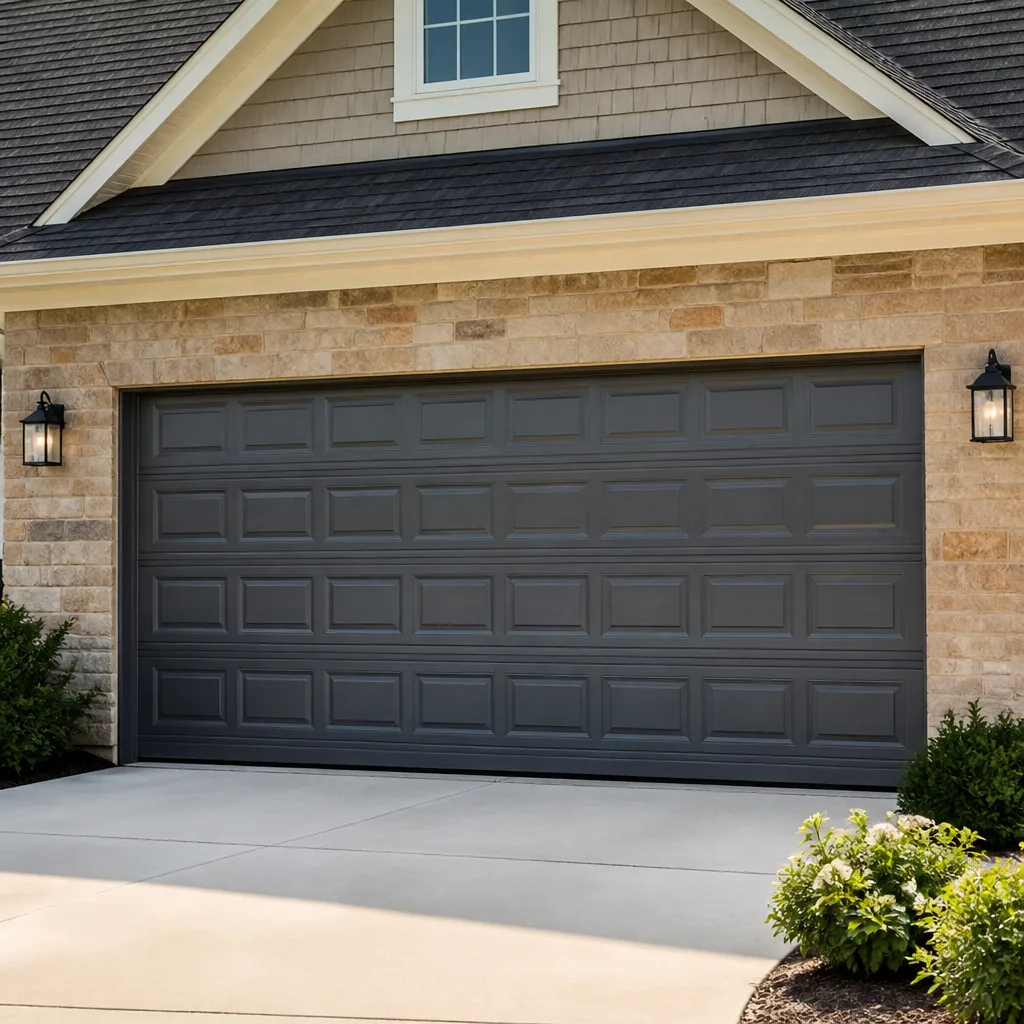 Raised-panel steel
 Carriage house
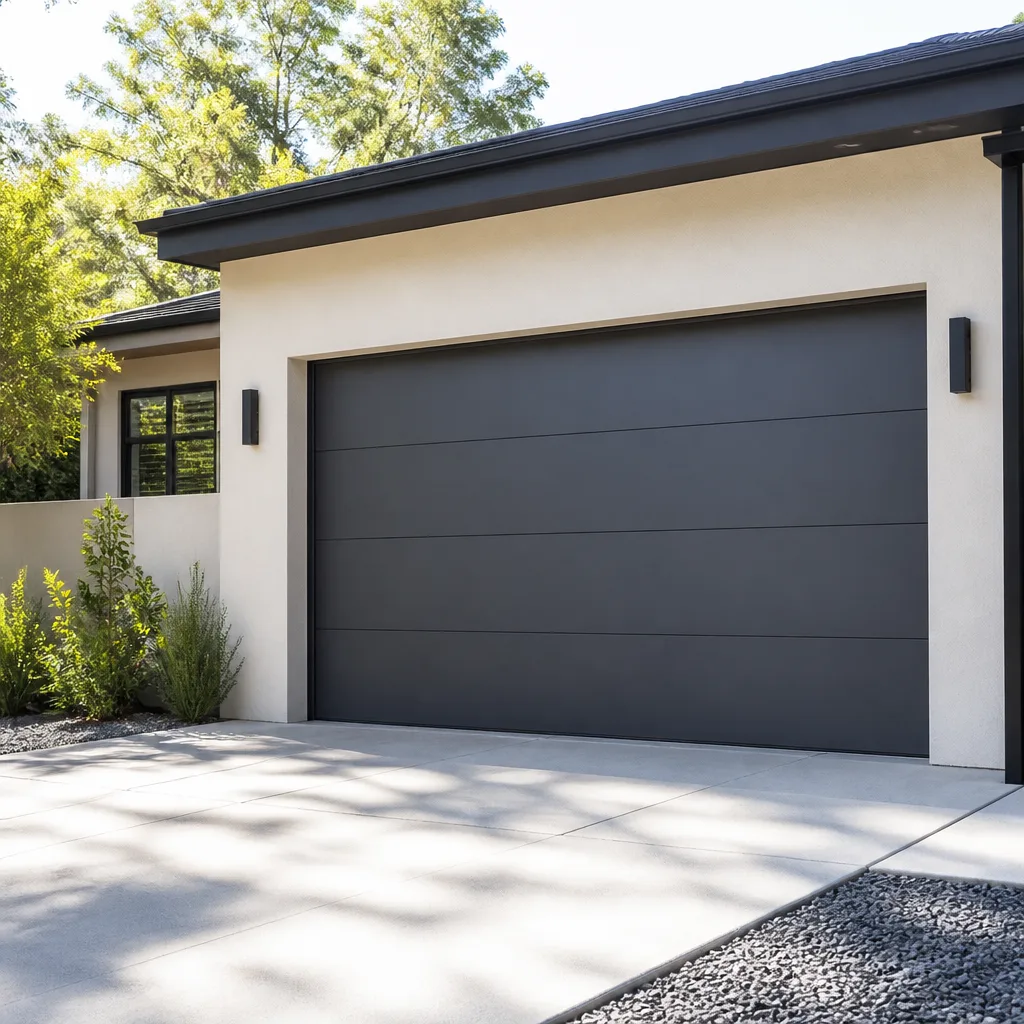 Modern flush
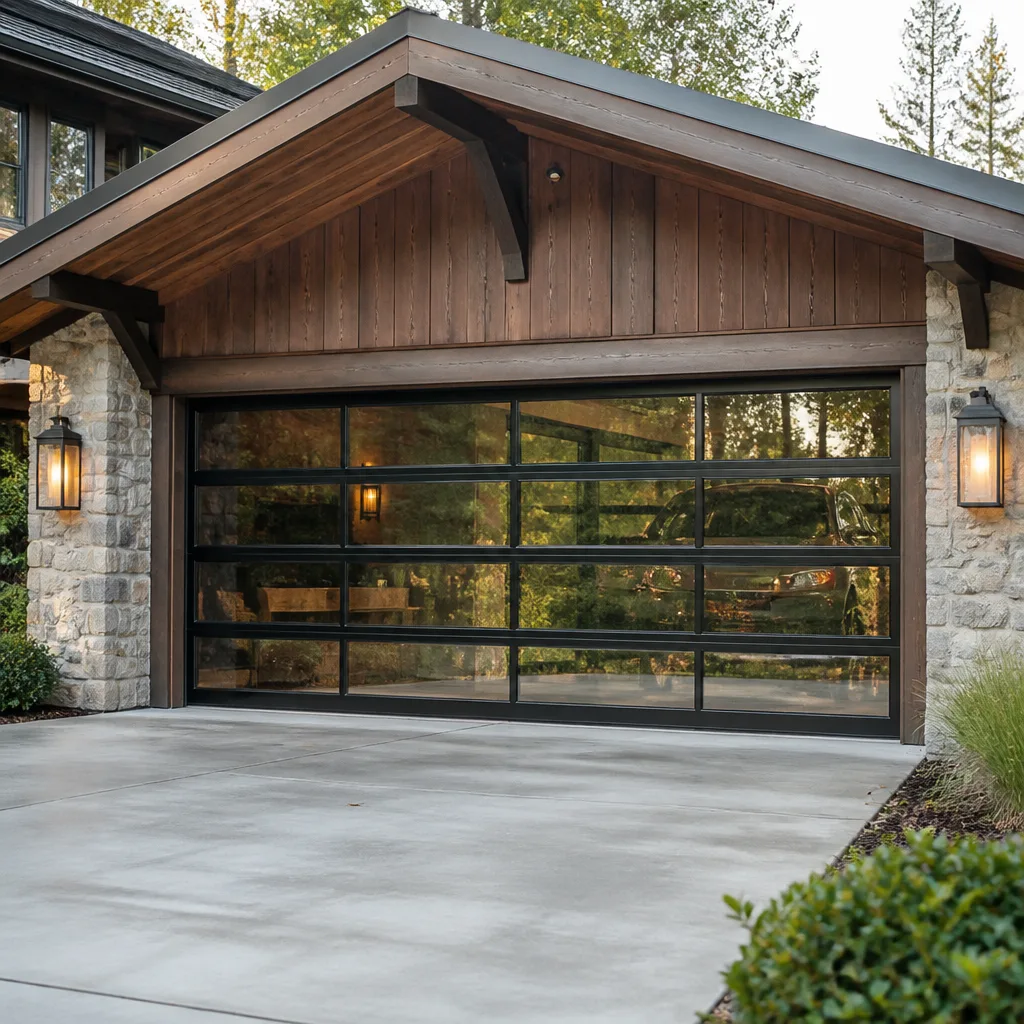 Full-view glass
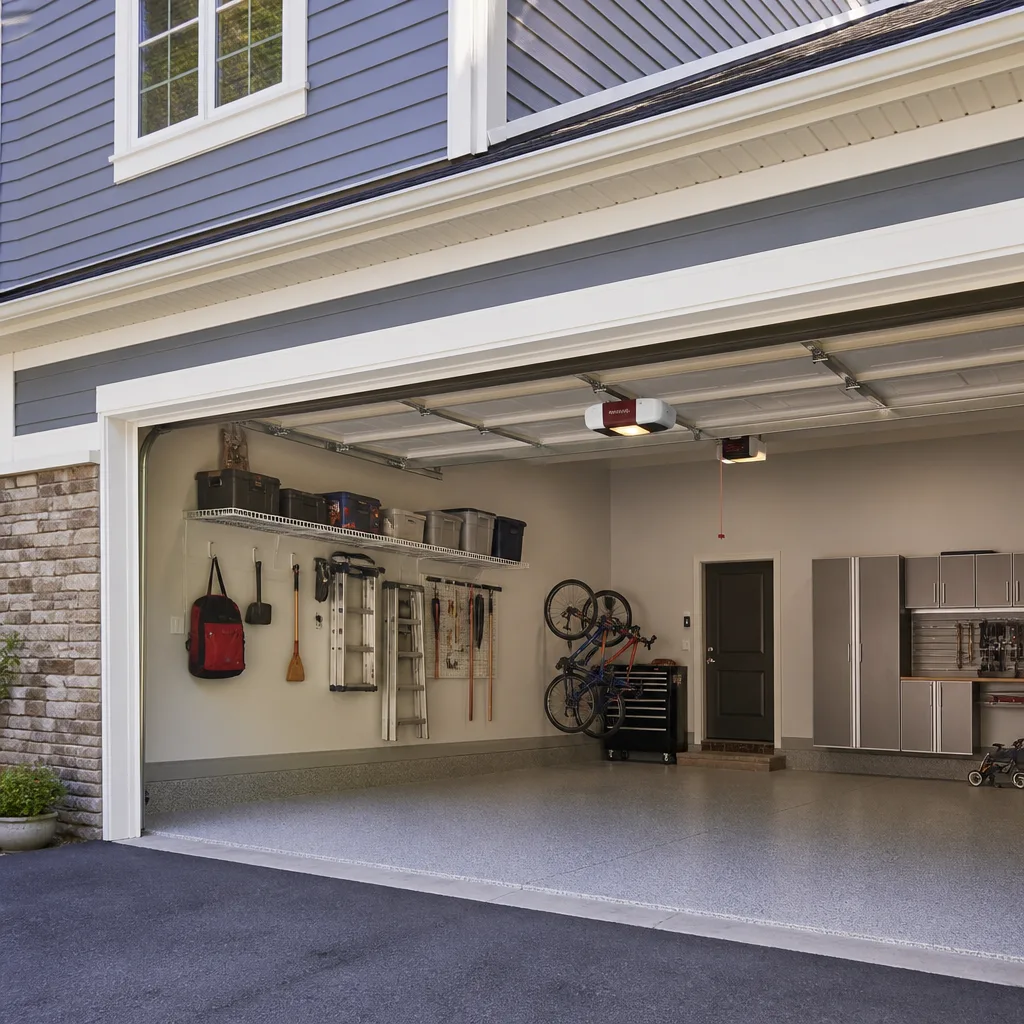 LiftMaster openers
 Chamberlain openers
Full 25-point door and opener safety check with every visit - springs, cables, rollers, tracks, and your LiftMaster or Chamberlain opener included
You get a price before we start. It does not change when the truck arrives.
Get your free estimateGarage Door Repair Maintenance Checklist for Temecula Homeowners
Most garage door maintenance checklists floating around the internet were written for places like Ohio or Oregon, where the air has moisture and seasons change gently. Temecula is not that place. Our dry heat, Santa Ana winds, and summer temperature swings put unique stress on your door’s moving parts. Nylon rollers that might last 12,000 cycles in a coastal climate can crack and chip after a few brutal Temecula summers. Weather seals that should survive a decade can shrink, split, and pull away from the bottom rail in half that time. This guide is the checklist we actually use when we work on doors across Temecula, from Redhawk to Morgan Hill to Paseo del Sol. It’s calibrated to what fails here, when it fails, and what you can do about it before a minor nuisance becomes a Saturday-morning door that won’t open.
Quick Answer
A proper garage door maintenance checklist for Temecula homeowners should happen four times a year, with the most critical checks in October (before Santa Ana season) and May (before peak summer heat). Lubricate rollers, hinges, and springs every three to four months instead of the standard annual cycle, because Temecula’s dry air evaporates lubricant faster than manufacturer guidelines assume. Test the auto-reverse safety system monthly, inspect weather seals every spring for sun damage, and keep the photo-eye sensors clean and aligned. If you hear grinding, see a sagging torsion spring, or the door hesitates on the way up, stop the DIY work and call a professional for Garage Door Repair services before the problem compounds.
Styles & brands we work with
Table of Contents
- Why Temecula’s Climate Demands a Different Maintenance Schedule
- The Month-by-Month Temecula Maintenance Checklist
- Testing Safety Reversal and Photo-Eye Alignment the Right Way
- Lubrication Intervals for Temecula’s Dry Heat
- Fire-Code Doors: Special Checks for Garage-to-House Entry
- When a Maintenance Issue Becomes a Repair Job
- Tools and Supplies Every Temecula Homeowner Should Have
- Common Mistakes to Avoid
- When to Call a Professional
- Frequently Asked Questions
Why Temecula’s Climate Demands a Different Maintenance Schedule
Temecula sits in a semi-arid climate zone that swings dramatically between seasons. Summers routinely push past 100°F for consecutive weeks, with single-digit humidity. Winters bring cool nights, occasional frost in the lower valleys, and rain that arrives in short, intense bursts. Santa Ana winds roar through the passes in fall and early winter, carrying abrasive dust and grit that works its way into every hinge, roller, and track on your garage door. The national average maintenance schedule assumes four distinct seasons with moderate humidity and no wind events. Temecula homeowners get all the heat with none of the moisture, and that changes everything.
What we’ve seen in Temecula garages over the years holds a consistent pattern. Nylon rollers, which are standard on most modern doors, dry out and become brittle when temperatures stay above 95°F for extended stretches. The plastic bearing inside the roller loses its lubricant, the roller starts to wobble, and eventually the outer shell cracks. Once a roller cracks, it grinds against the track and accelerates wear on every other component in the system. Rubber weather seals along the bottom of the door have it even worse. UV exposure breaks down the rubber compounds, and the extreme dryness causes the material to shrink and pull away from the aluminum retainer channel. A quarter-inch gap along the bottom edge is all it takes for dust, leaves, and the occasional lizard to find their way into your garage.
Your garage door is the largest moving object in your home, and in Temecula it’s moving through conditions that most manufacturer warranties barely account for. The good news: a maintenance routine tuned for our local climate catches most of these failures before they happen.
Key Takeaways:
- Temecula’s dry heat shortens the usable life of nylon rollers and rubber seals.
- Santa Ana winds introduce abrasive dust into tracks, hinges, and spring coils.
- Standard 12-month lubrication intervals are too infrequent for our climate.
- A seasonal maintenance rhythm, tied to actual Temecula weather patterns, prevents most common failures.
The Month-by-Month Temecula Maintenance Checklist
Here’s the maintenance calendar we recommend for Temecula homeowners. It’s organized around four checkpoints per year, because that’s what our climate requires. Each checkpoint takes about 20 minutes, and none of the steps require specialized tools.
October: Pre-Santa Ana Wind Season Check
October is the most important maintenance month on the Temecula calendar. Santa Ana season typically kicks in between late October and early December, and those winds push dust and grit into every gap on your door. This is the month to tighten everything, lubricate thoroughly, and make sure your weather seals are intact before the first big wind event.
- Inspect and tighten all track brackets. Use a socket wrench to check the lag bolts that hold the vertical and horizontal tracks to the wall and ceiling framing. Santa Ana winds create pressure differentials that rattle loose hardware over time. A loose track causes the rollers to bind, which puts strain on the opener motor.
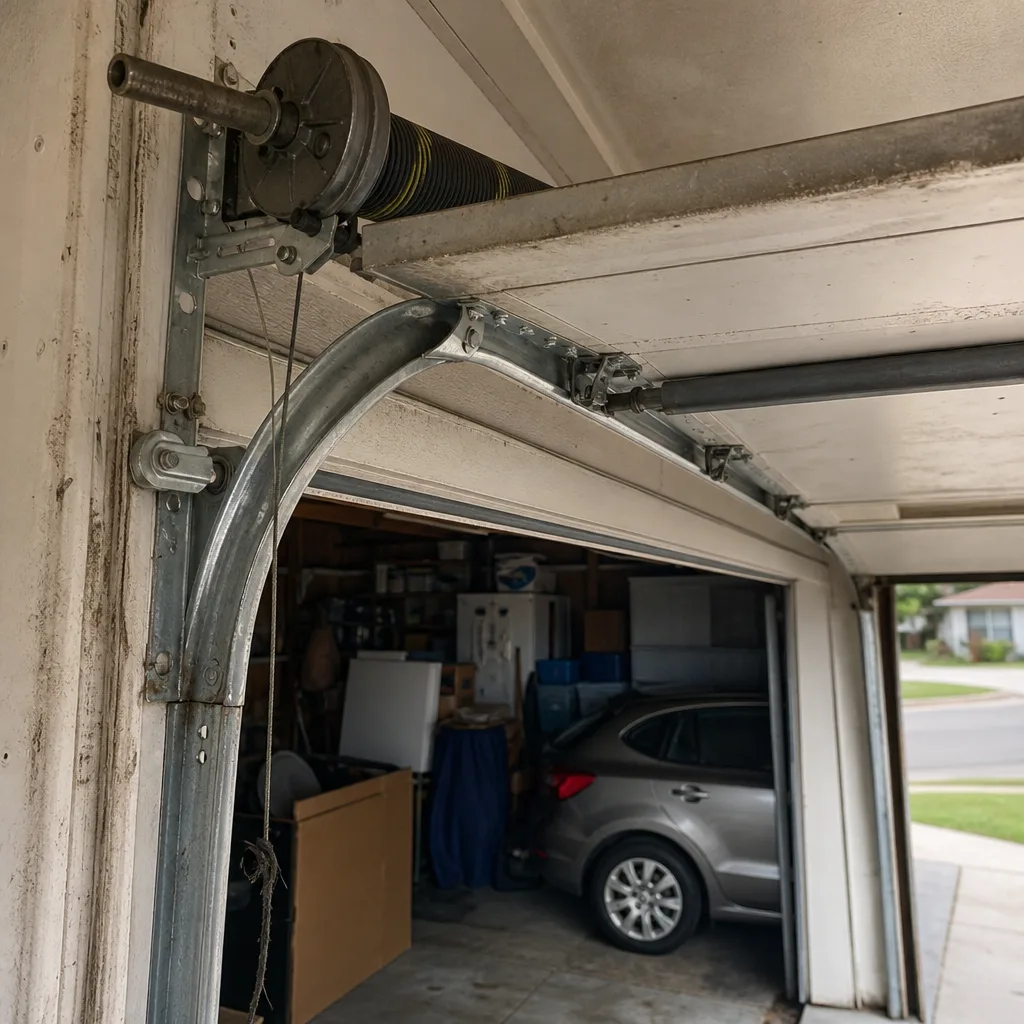
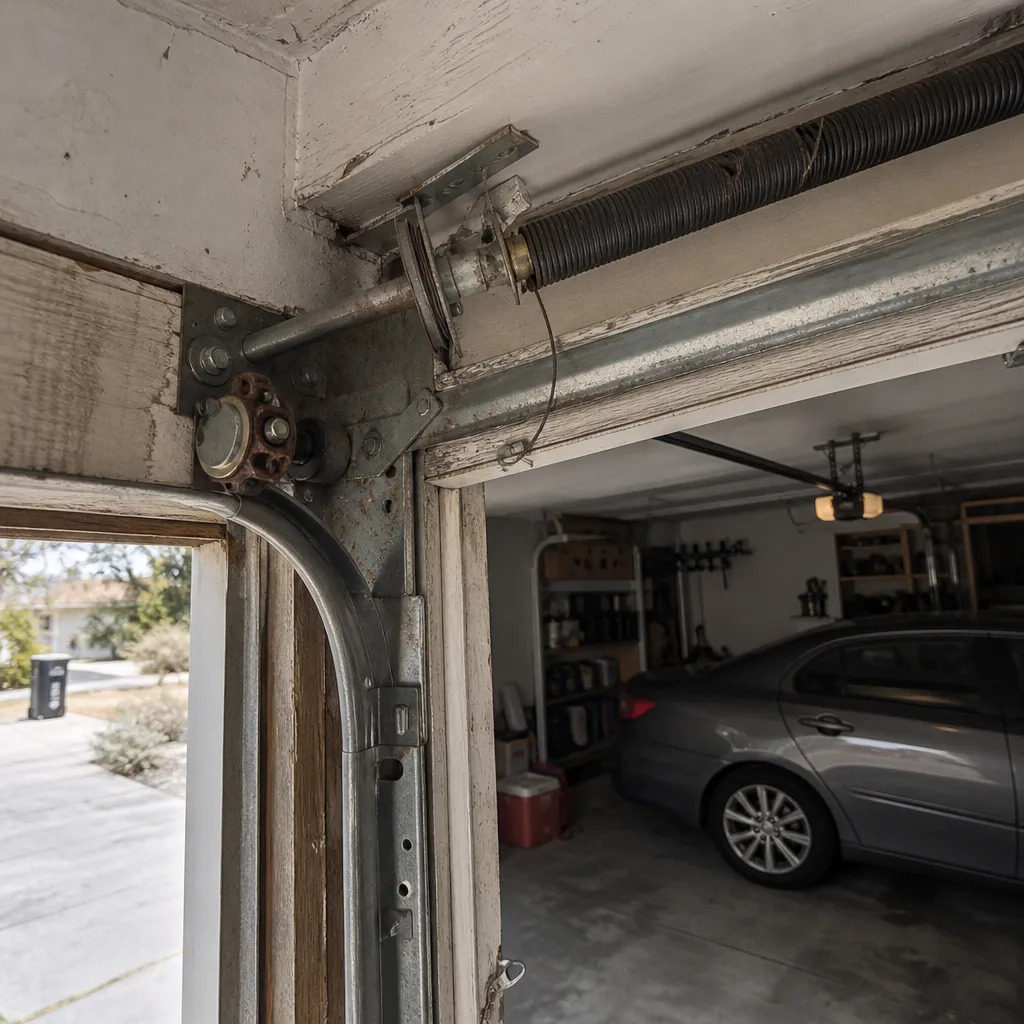
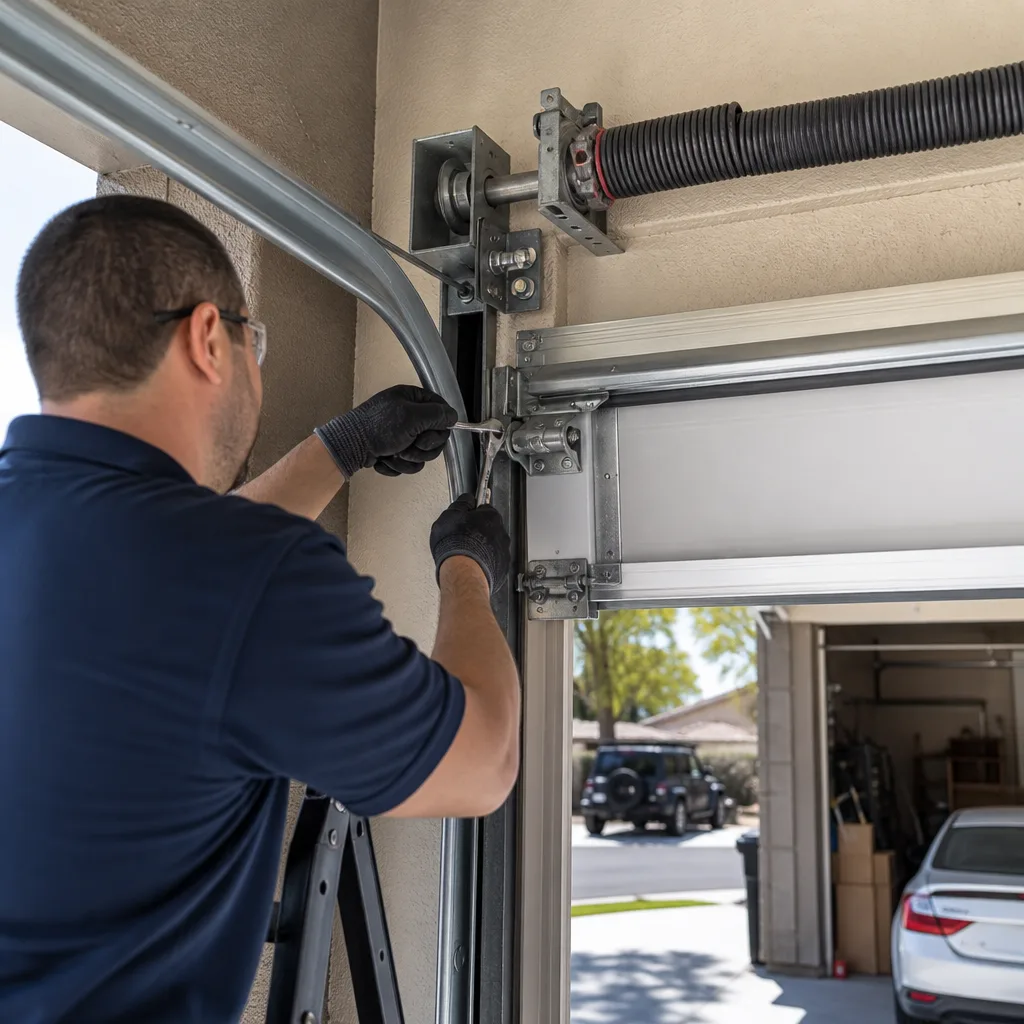
- Check the torsion spring for rust or wear. Look for gaps in the coil, rust spots, or a visible separation in the spring. If you see any of these, do not touch the spring. Call a professional the same day. Torsion springs under tension release with enough force to cause serious injury.
- Clean the tracks. Wipe down the inside of both vertical tracks with a dry cloth to remove accumulated dust and spider webs. Do not grease the tracks. If the tracks feel gummy or sticky, wipe them with a light solvent like mineral spirits, then dry them completely.
- Test the weather seal. Close the door and look at the bottom edge from inside the garage. If you can see daylight under the door, the seal has shrunk or split. October is the right time to replace it, before wind-driven dust and rain start pushing through the gap.
- Lubricate all moving parts. More on this below, but the October lubrication is the most important one of the year.
May: Pre-Summer Heat Check
By May, Temecula is warming up and the dry season is here. This check is about preparing the door for the thermal stress of three straight months of 90°F-plus temperatures.
- Inspect every roller. Look at each of the 10 to 12 rollers on your door. Pay close attention to the nylon outer shell. Cracks, flat spots, or wobble mean the roller is failing. One bad roller adds load to every other roller and to the opener motor.
- Test the balance of the door. Pull the red emergency release cord and manually lift the door. It should lift smoothly with one hand and stay in place at the halfway point. If it falls or requires real effort to hold up, the springs are losing tension. That’s a repair call, not a maintenance item.
- Check the opener’s force settings. Most modern LiftMaster and Chamberlain openers have a force adjustment dial or digital setting. The door should reverse with minimal resistance. If the opener feels like it’s struggling or slamming the door down, the force settings need adjustment.
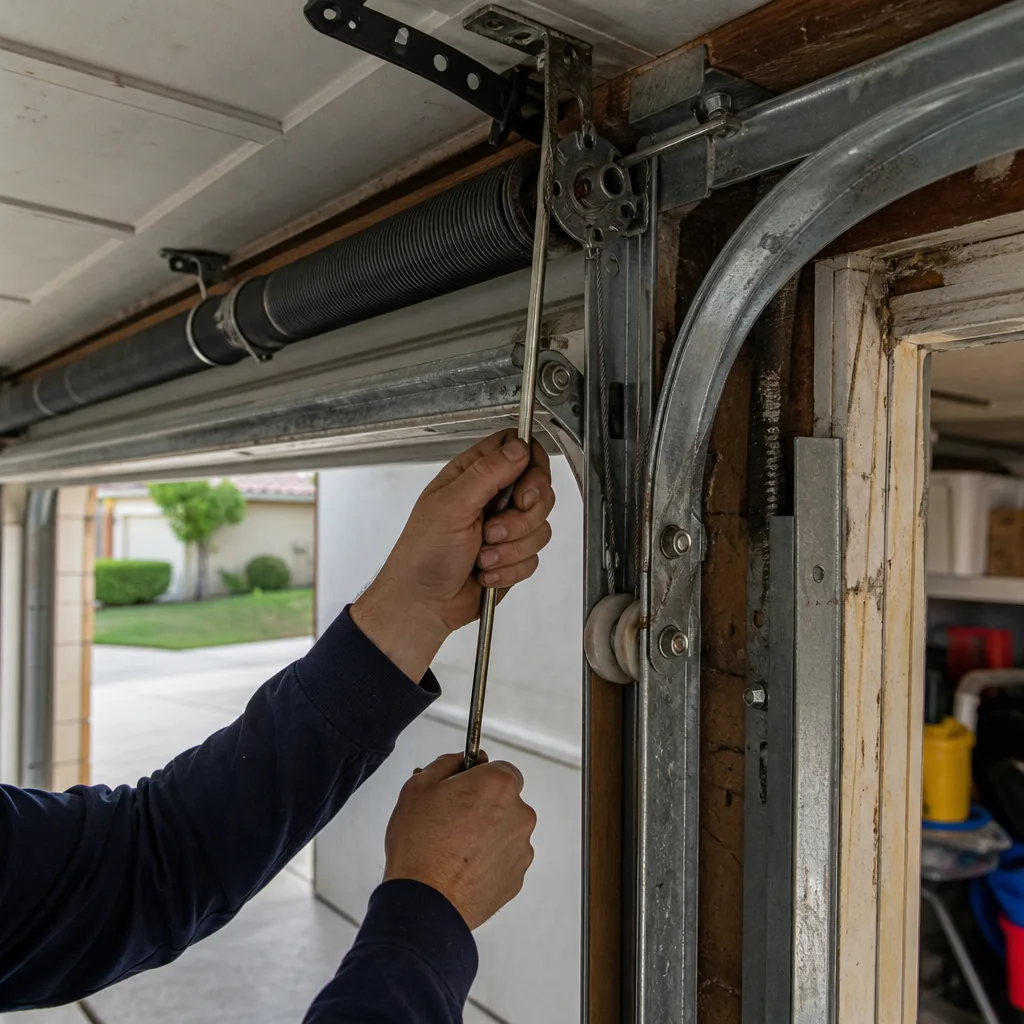
- Inspect cables for fraying. The lift cables on each side of the door run under constant tension. Look for broken strands, kinks, or rust near the bottom bracket. Frayed cables are a sign the door is misaligned and should be addressed before the cable snaps completely.
- Clean and align the photo-eye sensors. Dust accumulation on the sensor lenses is a major cause of phantom door reversals in Temecula. Wipe both lenses with a soft dry cloth and check that the small indicator lights on each sensor are lit.
December: Post-Wind Season Recovery Check
After the Santa Ana winds settle down, take a close look at the cumulative damage. This check is quick but important.
- Re-tighten track brackets. The wind didn’t loosen them all in one event, but the cumulative vibration of a full wind season can. A quick pass with the socket wrench takes five minutes.
- Inspect the weather seal for wind damage. Santa Ana winds can tear the rubber seal if it’s already brittle from summer UV exposure. Look for tears, missing chunks, or areas where the seal has pulled completely free of the retainer.
- Lubricate again. The dry winter air, combined with the dust blown in by the winds, means lubrication doesn’t last as long in December as it does in other months. A quick reapplication to hinges and rollers is cheap insurance.
- Check for dust infiltration around the perimeter. If you see a line of fine dust on the floor just inside the garage door, the seals are not doing their job. That’s not just cosmetic; that dust is also working into the tracks and hinges.
March: Pre-Spring Rain and Pollen Check
Temecula’s rainy season is brief but can be intense. March is the right time to make sure your door is sealing properly and your opener is functioning through cooler, damper conditions.
- Test the auto-reverse system. Place a 2×4 on the ground under the door and close it. The door should reverse within two seconds of contact. Test both the mechanical contact reverse and the photo-eye reversal by waving an object through the beam as the door closes.
- Inspect the bottom seal after rain. Water pooled near the garage door after a storm means the seal is no longer making contact. This is a common Temecula issue after the first couple of winter storms.
- Check for rust on hinges and brackets. Even a few rain events can start surface rust on lower-end hardware. A light wire brushing followed by lubrication extends the life of the hardware significantly.
- Run the opener a few times and listen. Changes in the sound of your opener, whether it’s a LiftMaster, Genie, Chamberlain, or Craftsman, often signal wear in the drive components. A grinding noise means the drive gear or belt is wearing. A chatter or vibration may indicate the mounting hardware is loose.
Testing Safety Reversal and Photo-Eye Alignment the Right Way
Since 1993, every residential garage door opener sold in the United States has been required by federal law to include an auto-reverse mechanism that stops and reverses the door if it encounters an obstacle. The standards are set by Underwriters Laboratories (UL 325), and they specify exactly how the system must behave. The door must reverse within two seconds of contacting a 2-inch-high object placed on the floor. The photo-eye sensors, positioned about six inches above the floor on each side of the door opening, must reverse the door if anything breaks the infrared beam.
Here’s how to test both systems properly. This is a five-minute check we recommend every single month, because a failed safety reversal is the difference between an inconvenience and a serious injury.
Testing the Mechanical Auto-Reverse
- Place a solid object, like a piece of 2×4 lumber, flat on the floor directly under the path of the door.
- Close the door using the wall button or remote.
- Watch what happens when the door contacts the 2×4. It should reverse immediately, within two seconds, and return to the fully open position.
- If the door continues downward or pauses before reversing, the force setting is too high. Do not use the door until this is corrected.
Testing the Photo-Eye Sensors
- Start with the door fully open.
- Press the wall button to close the door.
- As the door is moving downward, wave a broom handle or similar object through the beam between the two photo-eye sensors.
- The door should stop and reverse immediately. If it continues closing, the sensors are misaligned or the lenses are dirty.
Photo-eye alignment is one of the most common problems we see in Temecula garages after any minor bump to the door or track. The sensors are mounted on brackets that can be knocked out of alignment by a trash can, a bike, or even the vibration of the door itself. When they’re misaligned, the small indicator lights on each sensor will flicker or go dark. A solid green or amber light on both sensors usually means they’re aligned and communicating.
For Genie and Raynor openers, the force adjustment is typically a dial on the opener unit. For LiftMaster and Chamberlain models made in the last decade, the force settings are often digital, accessed through the wall control panel. The correct setting is the lowest force level that reliably operates the door. If you’re constantly raising the force setting because the door won’t close, that’s a sign of an underlying problem, usually a balance issue or failing rollers, not something to adjust around.
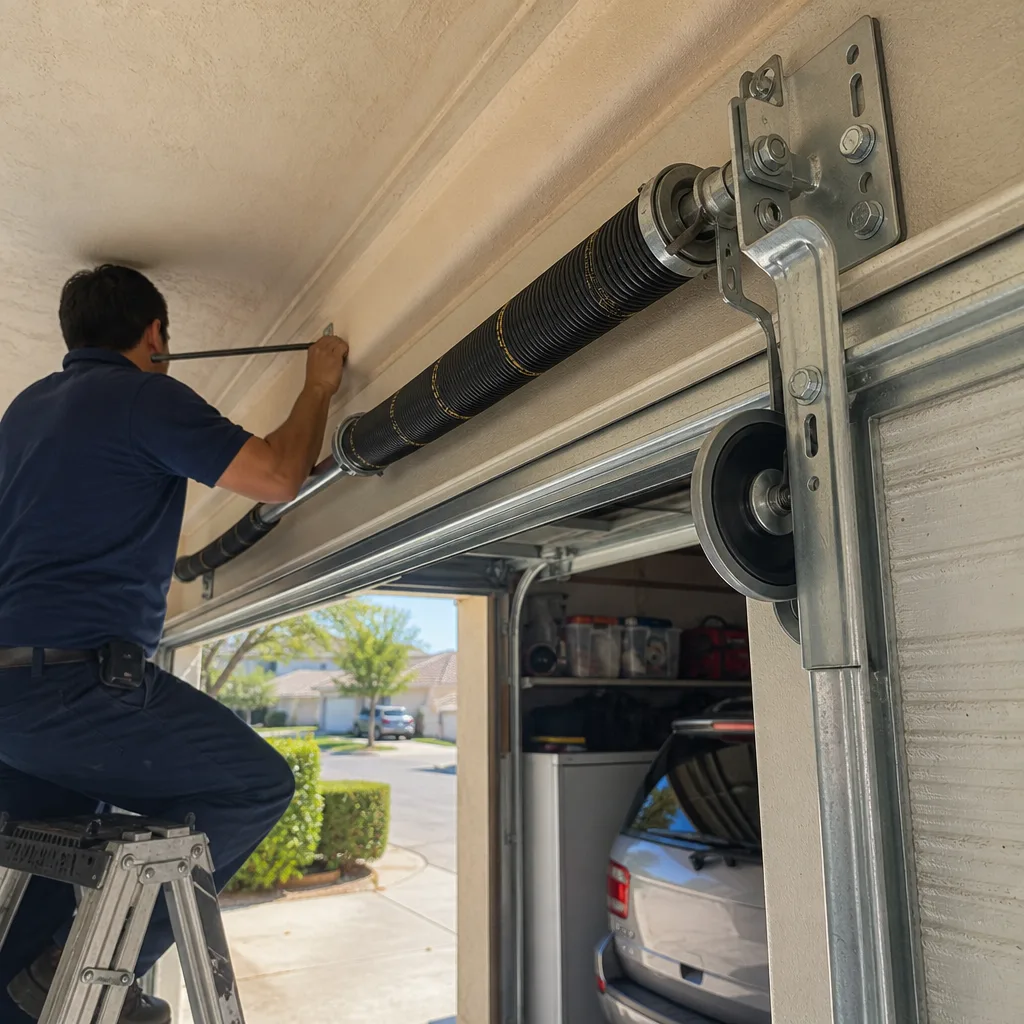
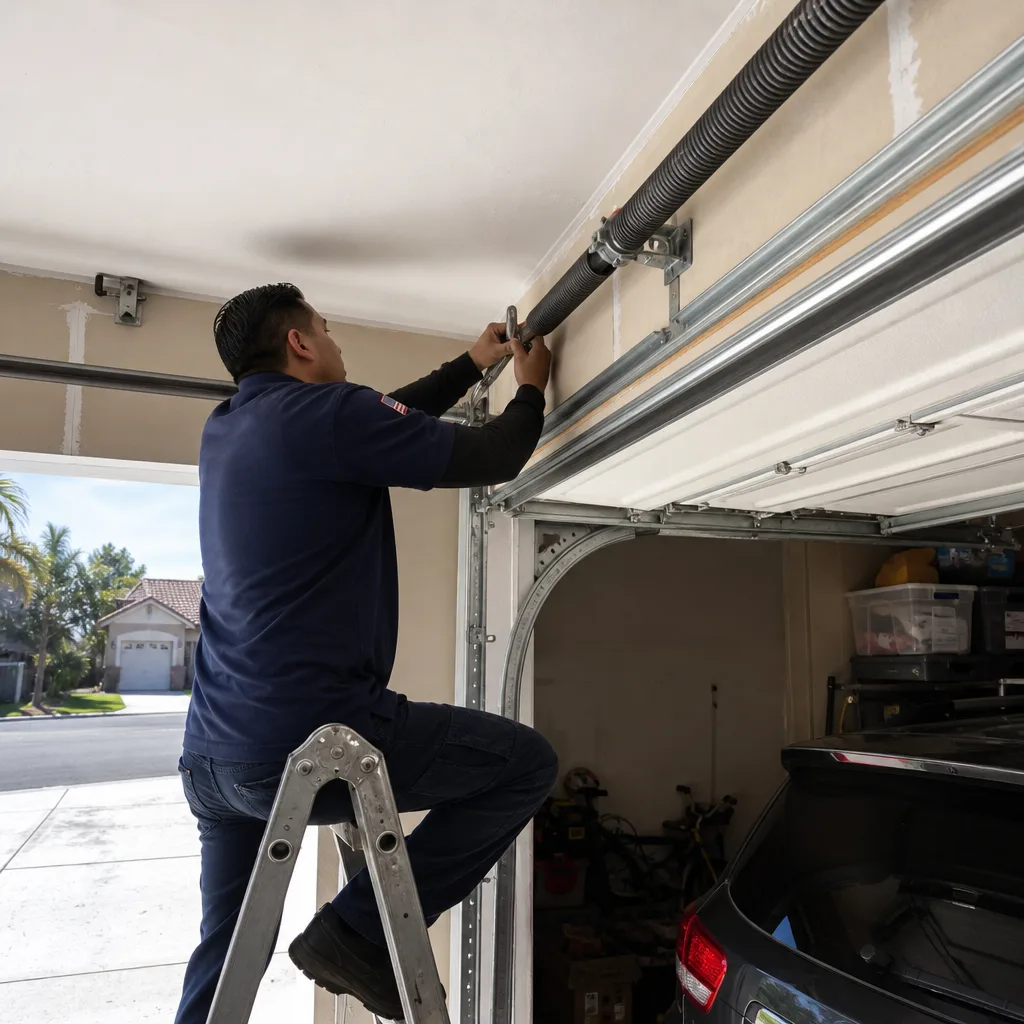
The torsion springs that counterbalance your door are under extremely high tension. Never attempt to adjust, replace, or even closely inspect a torsion spring without professional training. A spring that snaps under tension can cause severe injury. Every safety check on this list is designed so you never have to touch the spring itself.
Lubrication Intervals for Temecula’s Dry Heat
Lubrication is the single most impactful maintenance task you can do for your garage door, and in Temecula, the standard once-a-year advice doesn’t cut it. Here’s why: most garage door lubricants are either silicone-based or lithium-based. In a normal climate, a good application lasts 12 to 18 months. In Temecula’s dry heat, the carrier solvents in the lubricant evaporate faster, leaving behind a sticky or dry residue. The result is a door that starts to squeak, grind, or bind somewhere around the eight-to-ten-month mark, and if you wait a full year to re-lubricate, you’re operating the door with degraded lubrication for two or three months.
Our recommendation for Temecula homeowners: lubricate every three to four months, timed to the seasonal checkpoints above. October, December, March, and May. That’s four times a year, and each session takes about ten minutes.
What to lubricate:
- Rollers: Apply a silicone-based spray lubricant to the bearing at the center of each roller. If your rollers are steel with unsealed bearings, a few drops of light machine oil works too. Do not lubricate the roller face or the track it rides in.
- Hinges: Each hinge has a pivot point where the leaf sections connect. A short spray of lubricant on each hinge pivot, both on the door side and the track side, keeps the sections flexing smoothly.
- Torsion spring: Spray the spring coils lightly with lubricant. Use a straw attachment to get into the coils. The goal is to reduce friction between the coils as they expand and contract, and to prevent surface rust.
- Extension springs and cables: For older doors with extension springs along the side tracks, lubricate the springs and the pulleys. Do not lubricate the lift cables themselves.
- Locking mechanism and handle: If your door has a manual lock, it’s worth a few drops of graphite or spray lubricant once a year.
What not to lubricate:
- Tracks: Lubricating the tracks attracts dust, and in Temecula, that dust turns into an abrasive paste that wears out rollers faster. Clean the tracks with a dry cloth and leave them dry.
- Drive belt or chain: Most modern openers use belts or chains that are designed to run dry. Lubricating them causes the dust to stick and can damage the drive sprocket. If your opener uses a screw drive, a thin coat of white lithium grease on the screw is appropriate for some models, but check your owner’s manual first.
Fire-Code Doors: Special Checks for Garage-to-House Entry
A large percentage of tract homes in Temecula, whether built in the 1990s or the 2010s, have a direct entry door between the garage and the house. That door isn’t just an interior door. Under California building code, it’s a fire-rated assembly designed to slow the spread of fire from the garage into the living space. It must be self-closing, it must have an intact seal around the jamb, and it must not be propped open with a wedge or a brick. The garage itself, along with the garage door, is part of a fire-separation system that includes the walls, the ceiling, and that interior door.
When you’re doing your seasonal maintenance, add these specific checks if your home has a garage-to-house entry door:
- Test the self-closing mechanism. Open the door halfway and let go. It should close and latch on its own. If it stays open or closes too slowly, the closer needs adjustment or replacement.
- Inspect the perimeter seal. Look at the weather stripping or gasket around the door. It should be intact and make full contact on all four sides. Gaps allow smoke and carbon monoxide to enter the house, and they’re a code violation.
- Do not prop the door open. Keeping that door open during hot weather to ventilate the garage defeats the fire separation. If your garage gets too hot, address the garage door’s ventilation and insulation instead.
- Check the garage ceiling drywall. The ceiling between the garage and any living space above should be 5/8-inch Type X drywall. If you see holes, cracks, or areas where the drywall has been cut for pipes or wiring and not patched, that compromises the fire rating and should be repaired.
We bring this up because it’s relevant to how you maintain your garage door itself. A garage door that’s properly sealed and balanced helps contain a fire longer by keeping oxygen from feeding it from the outside. A door with a damaged bottom seal or a gap along the track edge is now a potential air intake. The entire system works together.
When a Maintenance Issue Becomes a Repair Job
Regular maintenance catches most problems early, but there are clear thresholds where a “maintenance issue” has crossed into “repair required,” as detailed in our Garage Door Repair Troubleshooting: Common Problems and How to Fix Them guide. Knowing these thresholds protects your door, your opener, and potentially your safety.
Signs the Door Itself Needs Professional Attention
- The door sags when open. If you open the door and it visibly dips or hangs lower at one end, that’s a spring or cable issue, not a lubrication issue. Call a professional.
- Visible gap in the torsion spring. A torsion spring that has a visible separation in the coils has failed or is about to. This is the single most common reason for a door that won’t open in Temecula, and it’s not a DIY repair.
- Loud bang from the garage. A sudden loud noise, like a firecracker, followed by a door that won’t lift, is almost always a snapped torsion spring. Stop using the opener and call for repair.
- The door gets stuck halfway. A door that binds at a specific point in its travel usually has a bent track, a broken roller, or a balance problem from a failing spring. Forcing it with the opener will damage the motor.
- Crunching or grinding sounds during operation. Grinding often means roller failure. A roller that has seized or cracked is scraping the track, and every cycle is wearing a groove into the metal.
Signs the Opener Needs Attention
- The motor runs but the door doesn’t move. This usually indicates a broken drive gear, especially common on older Chain-drive openers. Continuing to run the motor with no door movement can burn out the motor entirely.
- The door reverses for no reason. Phantom reversals during closing are often caused by misaligned photo eyes, but if you’ve cleaned and aligned the sensors and the problem persists, the sensor or the wiring may be failing.
- The opener squeals. A squealing opener that’s not related to the door’s rollers often means the drive belt or chain drive sprocket is worn. It’s a repair that’s best done early, before the part fails completely and strands the door in the closed position.
In our experience across Temecula, households that run a four-season maintenance routine and act on these Garage Door Warning Signs: A Temecula Homeowner’s Reference Guide early typically get 15 to 20 years out of a quality door and 10 to 15 out of an opener. Those that wait until the door won’t open are usually replacing components that could have been saved, and they’re paying more in the process.
Tools and Supplies Every Temecula Homeowner Should Have
You don’t need a mechanic’s workshop to maintain your garage door. Here’s what we suggest keeping on hand for the seasonal checks described above.
- Silicone-based garage door lubricant. Available at any hardware store in Temecula or online. Avoid WD-40 for this purpose; it’s a solvent, not a lubricant, and it strips existing lubrication.
- Socket wrench set with a 7/16-inch and 1/2-inch socket. These are the most common sizes for garage door track brackets and hinge bolts on most residential doors.
- A clean, dry microfiber cloth. For wiping down tracks, sensors, and seals without introducing lint or moisture.
- A small step ladder. For reaching the opener and the top sections of the door safely.
- A piece of 2×4 lumber, about 18 inches long. For testing the auto-reverse system.
- A level. Useful for checking track alignment if you suspect the door is slightly off-plumb.
None of the seasonal checks in this guide require you to remove the opener from the ceiling, touch a torsion spring, or even disconnect the power. If a task requires anything more than the tools above, that’s usually a sign the job has moved beyond routine maintenance. The Seabreeze Garage Door home team handles those jobs every day, and we’re happy to walk you through what you’re seeing before you schedule anything.
Common Mistakes to Avoid
- Greasing the tracks. We see this constantly in Temecula garages. Greased tracks collect dust and grit, which grinds down rollers and creates the very friction the grease was supposed to prevent. Tracks should be clean and dry, always.
- Waiting a full year to lubricate. The standard 12-month advice does not apply in our dry climate. Lubricate every three to four months. The springs, hinges, and roller bearings will outlast the door if you do.
- Ignoring the weather seal until winter. By the time the first Santa Ana blows through, a sun-damaged seal has already let six months of dust into your garage. Check the seal in May and replace it then if it’s cracked or shrinking.
- Raising the opener’s force setting to fix a sluggish door. A door that needs more force to close is telling you something: the springs are weak, the rollers are failing, or the door is binding. Raising the force just masks the problem and weakens the safety reversal system.
- Propping the garage-to-house door open for ventilation. We mentioned this earlier, and it’s worth repeating because it’s so common in Temecula tract homes. That door is rated as a fire barrier, and propping it open defeats the entire fire-separation design of your home.
- Replacing one roller at a time as they fail. Rollers wear as a set, and Temecula’s heat accelerates the wear uniformly. Replacing rollers one at a time means you’ll be back under the door every few months. When you have two or more rollers failing, replace the entire set.
When to Call a Professional
Some maintenance tasks are safe and straightforward for any homeowner. Others are not. Here’s the line we draw. If you’re dealing with a torsion spring that’s broken, cracked, or even just suspicious, call a professional immediately. These springs store an enormous amount of energy, and attempting to adjust or replace one without the right tools and training can cause catastrophic injury. The same goes for lift cables: when a cable frays or snaps, the remaining cable is now carrying double the load and can fail at any moment. If your door comes off its tracks, do not try to force it back into place; the tension in the system is unpredictable and the fix requires rebalancing the door anyway.
For anything involving the opener’s electrical system, the drive motor, or the digital force settings, professional diagnosis is worth the call. Seabreeze Garage Door offers free estimates in Temecula. Call (888) 913-4062 and we’ll come out, look at what’s happening, and give you a clear picture of the repair before any work begins. Our technicians work across all major brands, including Raynor, LiftMaster, Chamberlain, and Genie, so whatever opener is on your ceiling, we’re already familiar with it. If you’re in Temecula and the opener is acting up, we also handle Garage Door Opener Repair in Wildomar as a dedicated service, not an afterthought.
Frequently Asked Questions
Lubricate every three to four months, not once a year. Temecula’s dry heat evaporates the carrier in lubricants faster than in coastal or humid climates, leaving moving parts under-lubricated by the eight-to-ten-month mark. The most important lubrication is in October, before Santa Ana winds start pushing abrasive dust into the hinges and springs. Call (888) 913-4062 if you’re not comfortable doing it yourself, and we can include lubrication as part of a maintenance visit.
Broken torsion springs are the most common repair we handle in Temecula, and the dry heat is partly to blame. The steel fatigues faster when temperatures swing repeatedly, and the lack of humidity allows surface rust to take hold. A broken torsion spring prevents the door from lifting, and it should never be adjusted or replaced as a DIY job.
No. When a door reverses downward or fails to reverse, the problem is either a safety sensor issue or a force setting that’s been raised to compensate for another failing component. You can clean and realign the photo-eye sensors yourself, but if the problem persists, schedule a repair. The Garage Door Repair in Wildomar team sees this exact issue routinely and can resolve it the same visit.
Look for a visible gap in the torsion spring coils when the door is closed, rust flaking off the spring, or a door that feels heavy when you lift it manually. These are early indicators that a spring is nearing the end of its cycle life. If you notice any of them in your Temecula garage, call for an inspection before the spring lets go.
It’s real. Nylon rollers crack and chip faster in sustained 95°F-plus temperatures, rubber bottom seals shrink and pull away from the retainer in low humidity, and the combination of heat and windborne dust accelerates wear on every moving part. We’ve replaced weather seals on Temecula doors that were only four or five years old, when the same seal would last a decade in San Diego.
When the door panels themselves are cracked, rotting, or sagging, or when you’ve already replaced the springs and rollers and the door still operates roughly, it’s often more cost-effective to replace the entire door. A new door also gives you a fresh set of springs, rollers, and seals. If you’re thinking about replacement, our Garage Door Installation in Wildomar team can help you evaluate your options without pushing you toward a particular brand.
Most of the checks in this guide are safe for homeowners with basic tools and careful attention. Lubrication, cleaning, sensor alignment, and auto-reverse testing are all in the DIY category. What’s not: touching torsion springs, adjusting lift cables, realigning a door that’s come off its tracks, or doing anything involving the opener’s electrical wiring. When in doubt, call (888) 913-4062 and we’ll help you decide whether it’s a maintenance task or a repair.
The Bottom Line
A garage door in Temecula faces heat, dust, and wind that national maintenance guides simply don’t account for, which is why we publish more guides & resources tailored to local conditions. The fix is a maintenance rhythm that matches the actual seasons here: four checks a year, lubrication every three to four months, monthly safety testing, and immediate action on warning signs before they become failures. Most of what’s in this guide costs nothing but 20 minutes and a can of silicone spray. The repairs you prevent – broken springs, burned-out opener motors, doors off their tracks – are the ones that cost real money and always seem to happen at the worst moment. Take care of the door, and it takes care of you.
Written by the team at Seabreeze Garage Door, serving Temecula since 2014.
Need a professional look at your garage door? Call (888) 913-4062 for a free estimate. We know the doors, the openers, and the Temecula climate.
See the difference
 Before
 After
 Before
 After
 Before
 After