
Last updated October 30, 2026
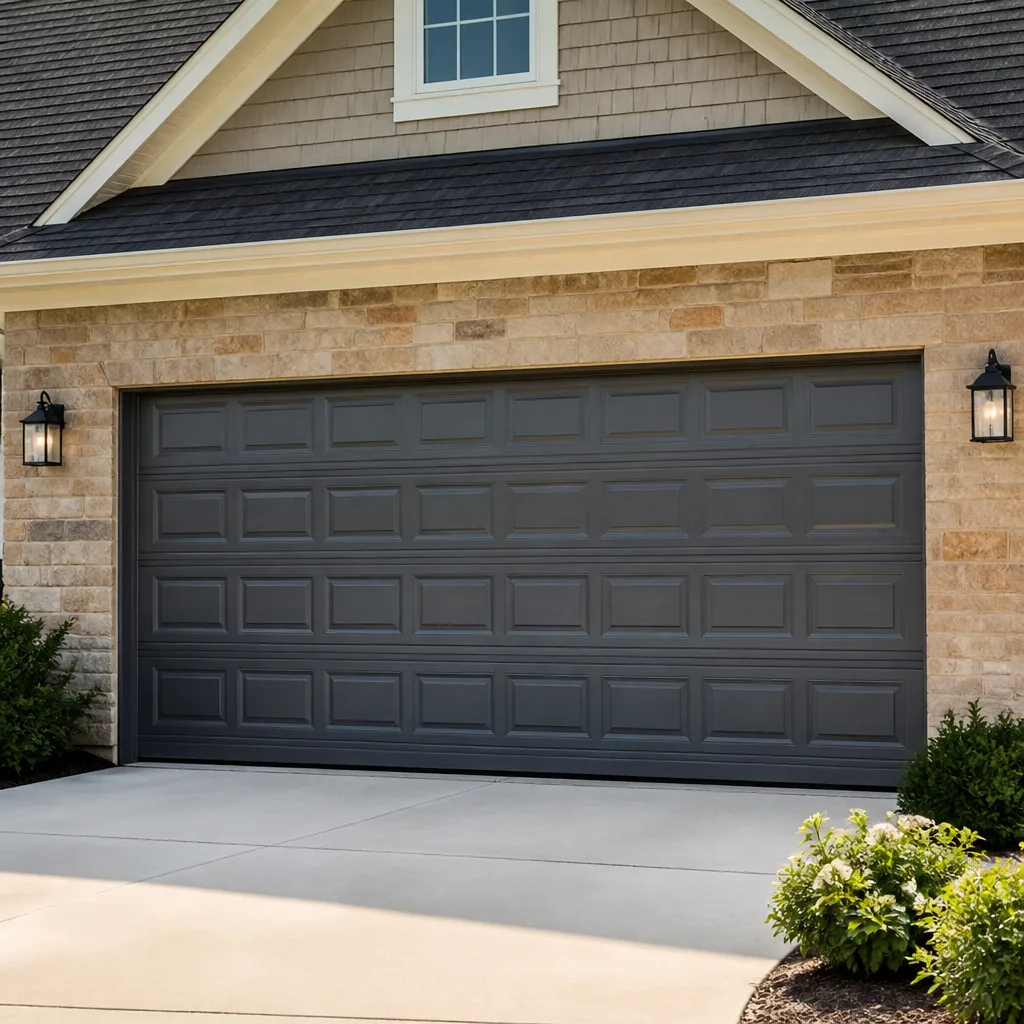 Raised-panel steel
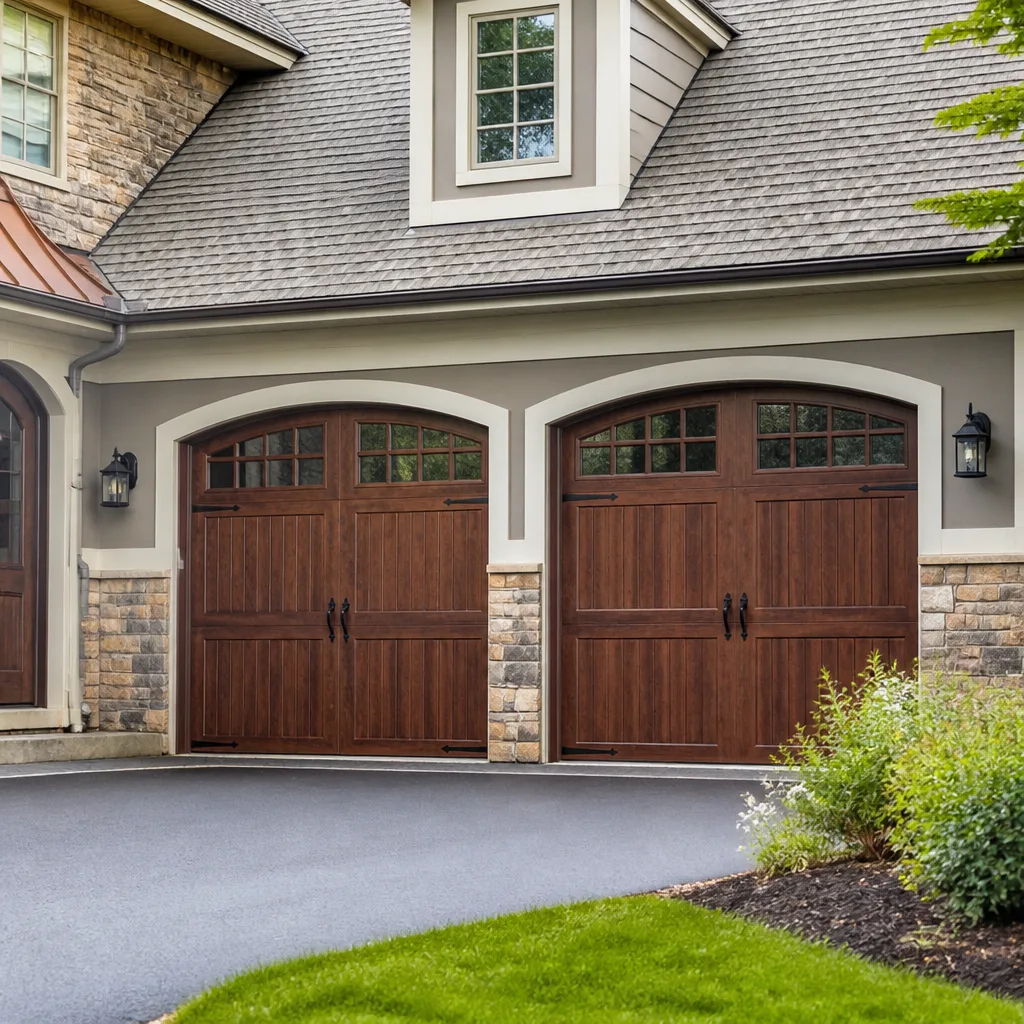 Carriage house
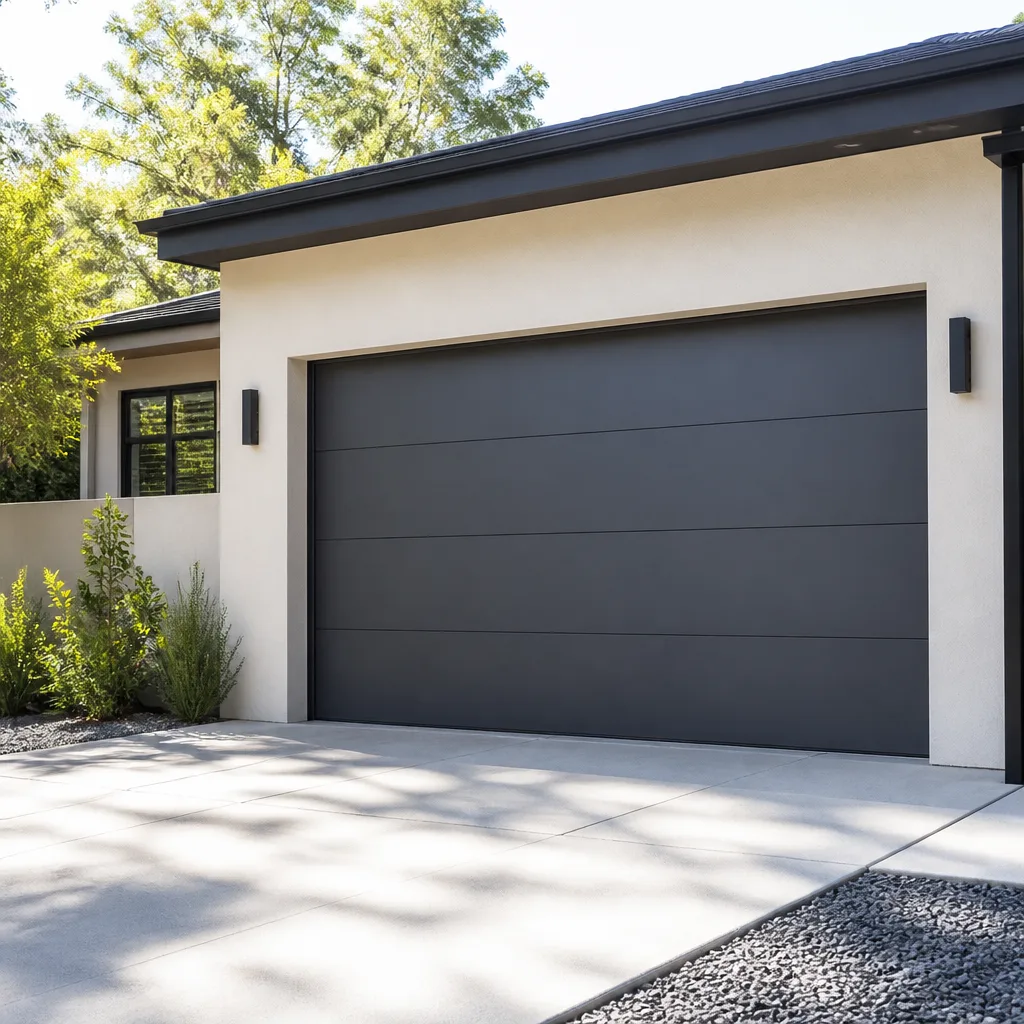 Modern flush
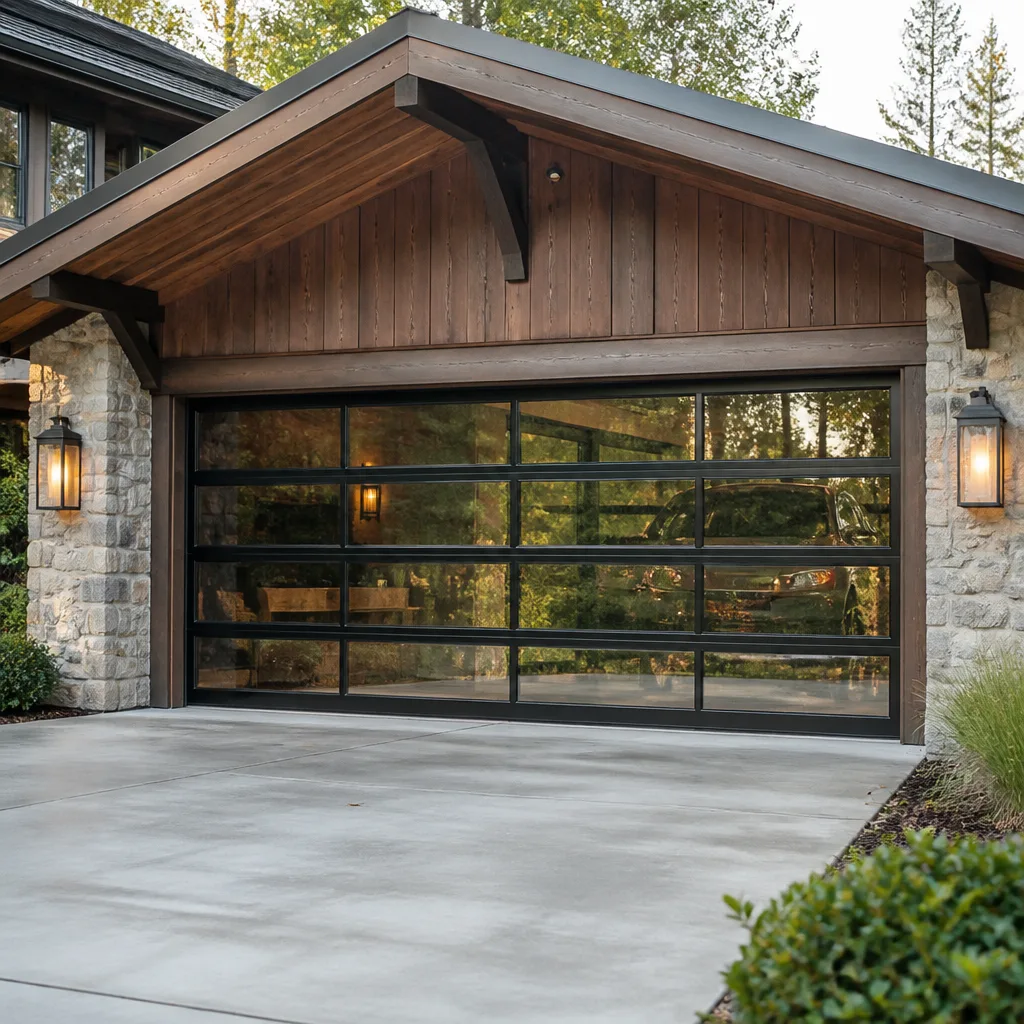 Full-view glass
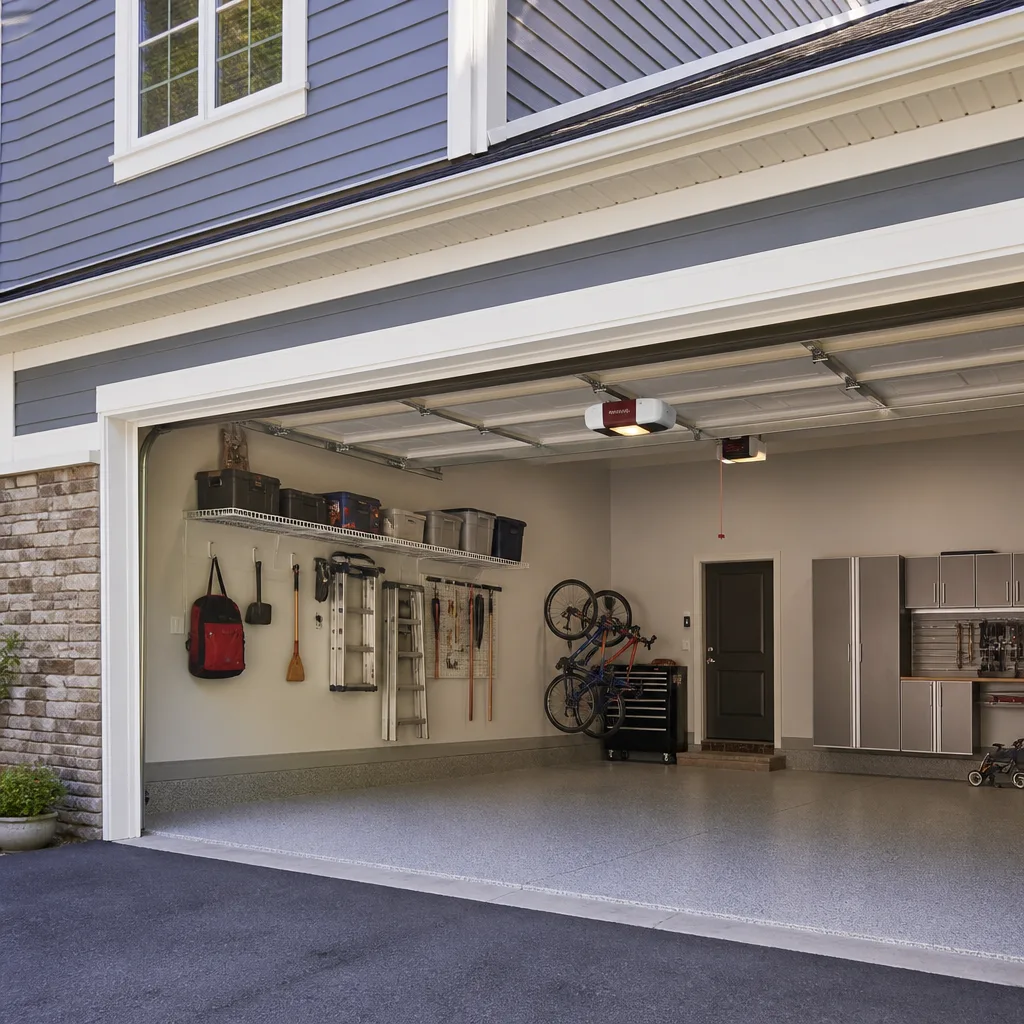 LiftMaster openers
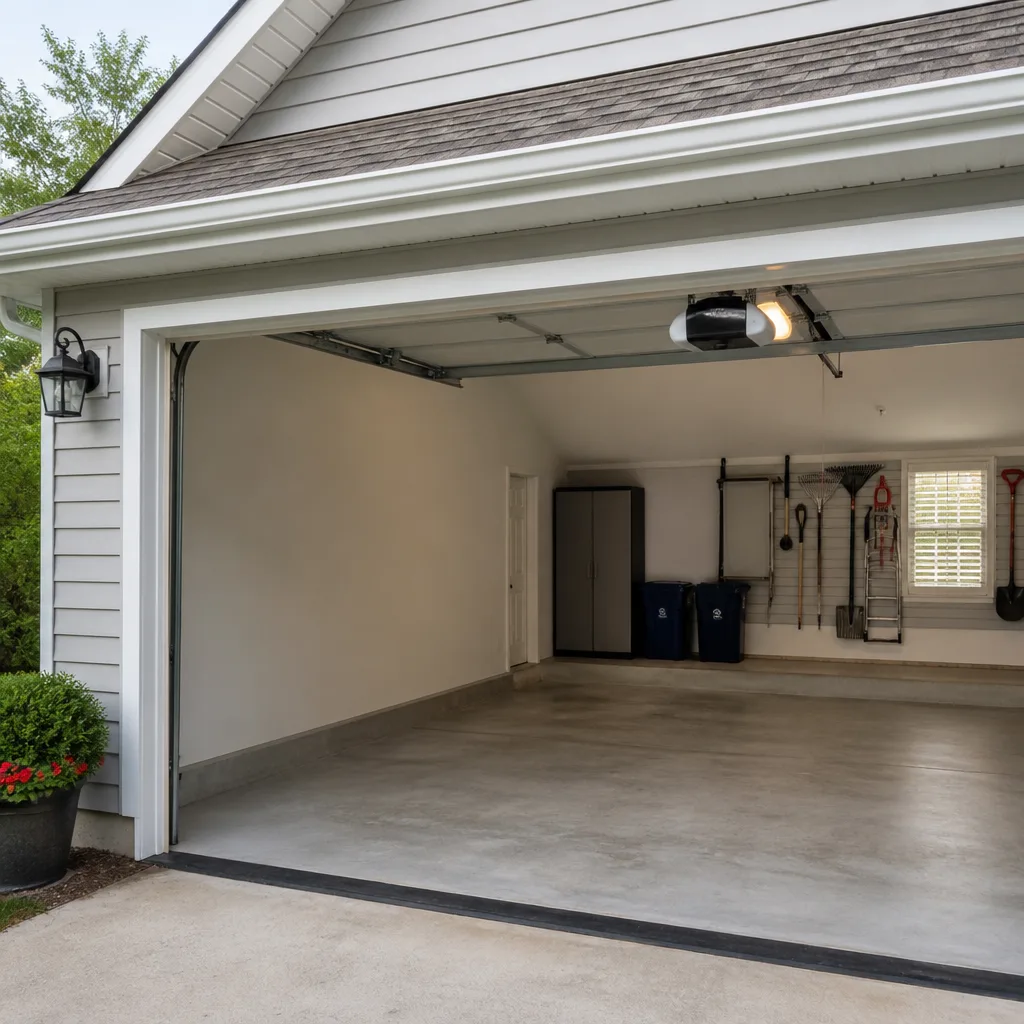 Chamberlain openers
Full 25-point door and opener safety check with every visit - springs, cables, rollers, tracks, and your LiftMaster or Chamberlain opener included
You get a price before we start. It does not change when the truck arrives.
Get your free estimateGarage Door Permits, Codes & Inspections in CA: What You Need to Know
In California, replacing a garage door on a fire-rated wall without the correct rated door assembly can quietly void your homeowner’s insurance.
Most homeowners discover this years after the install, usually while filing a claim or selling the house. What looks like a simple
door swap is sometimes a code-regulated modification to a fire barrier, and the state’s building rules draw that line in places
that surprise people. In Temecula, where homes range from 1980s tract builds with hollow-core doors to recent Temecula Valley
constructions with Title 24 conditioned garages, the answer changes from house to house. This guide walks through the actual
California code sections, the Riverside County permit process, the energy rules, and the fire-rated assemblies. By the end,
you’ll know which projects need a permit, which ones don’t, what inspectors check, and what unpermitted work really costs at
resale.
Styles & brands we work with
Quick Answer
Most garage door replacements in California do not require a building permit when the door is replaced like-for-like in the
same opening with no structural changes. A permit is required when you enlarge or cut a new opening, alter the header, or
replace a fire-rated door on an attached garage without matching the required fire rating. Opener installations also typically
skip the permit counter, but energy code compliance under Title 24 matters when the garage is conditioned living space. In
Temecula and unincorporated Riverside County, the process takes roughly one to three weeks depending on project scope.
Table of Contents
- When a Garage Door Permit Is Actually Required in California
- Projects That Do Not Require a Permit
- Fire-Rated Door Assemblies: California Residential Code Section R302
- Title 24 Energy Code and Insulated Garage Doors
- Riverside County and City of Temecula Permit Process and Timelines
- What the Inspector Actually Checks on a Garage Door
- What Unpermitted Garage Door Work Means at Home Sale
- Frequently Asked Questions
When a Garage Door Permit Is Actually Required in California
A building permit is required whenever a garage door project changes the structural opening, the wall assembly, or the door’s
fire-resistance function. That’s the cleanest way to think about it. The California Residential Code (CRC), which governs
one- and two-family dwellings, ties permit requirements to specific sections of Chapter 3 and the California Building Code
Chapter 1 administrative provisions. The permit trigger is not the door itself. It’s what the door attaches to and what the wall
is required to do.
The three most common permit-triggering scenarios we see in Temecula:
- New opening cut into an existing wall. This is structural work. The wall is load-bearing until proven otherwise,
and the new header has to be sized, engineered, and inspected before drywall covers it. - Enlarging an existing opening. Going from an 8-foot-wide door to a 10-foot or 12-foot door means removing and
replacing the header. That header carries the roof load above the garage. No legitimate installer will do this without a permit. - Replacing a fire-rated door assembly on an attached garage. If the wall between the garage and living space is
required to have a 20-minute fire rating, the door in that wall is part of the assembly. Swapping it for a non-rated door is a
code violation, and a permit plus inspection verifies the replacement meets the rating.
Riverside County and the City of Temecula both enforce these triggers through their building departments. A door replacement
that involves new framing, a new header, or a change to the fire separation requires plans, a permit, and a final inspection.
The permit cost is typically a few hundred dollars for the building portion alone, not including any engineering letter if the
header needs one. In Temecula’s older neighborhoods, like the areas east of the 15 freeway near Rancho California Road, header
upgrades are common when homeowners want a wider door for a truck or a lifted vehicle. Those are not like-for-like swaps.
Projects That Do Not Require a Permit
Most straight replacements skip the permit counter entirely. When the door fits the existing opening, the header stays
untouched, and the surrounding wall assembly is not altered, the work is classified as a repair or a finish replacement, not
new construction. California code does not require a permit for that. Here is the practical list:
- Removing an existing sectional door and installing a new sectional door in the same opening.
- Replacing a garage door opener with a compatible unit, including swapping brands. A LiftMaster can replace a Genie, or a
Chamberlain can replace a Raynor, as long as the mounting points and electrical circuit work. - Replacing torsion springs, cables, rollers, hinges, and tracks in-kind.
- Installing a smart opener or adding a battery backup to an existing opener.
- Reframing the interior reveals without touching the header or the exterior wall sheathing.
One important caveat: a like-for-like fire-rated door replacement used to be ambiguous in some jurisdictions. The California
Building Standards Commission clarified over successive code cycles that a fire-rated assembly must maintain its rating, but
the replacement of an individual door within that assembly with a matching rated product does not need its own permit. In
Temecula, the City’s building department generally treats it the same way. What you cannot do is replace a 20-minute rated door
with a standard non-rated door just because the opening is the same size. That’s where homeowners get into trouble, and it
connects directly to the fire assembly section below.
Fire-Rated Door Assemblies: California Residential Code Section R302
Section R302 of the California Residential Code governs fire-resistant construction between a dwelling and an attached garage.
The core requirement: the wall separating the garage from the residence must be a minimum of one-hour fire-resistance-rated
construction when the garage is attached. The door opening in that wall, if one exists, must be protected with a door that is
either solid wood not less than 1-3/8 inches thick, solid or honeycomb-core steel not less than 1-3/8 inches thick, or a
20-minute fire-rated door.
This applies to doors that lead from the garage into the house, not the vehicle door itself. The vehicle door faces the
driveway and is not part of the dwelling separation. But the rule becomes relevant to vehicle door work in a less obvious way:
when the garage ceiling and walls are part of the thermal and fire boundary, the vehicle door’s perimeter seals, bottom seal,
and the door’s structural integrity contribute to the overall air barrier and fire performance of the space. A garage door that
never closes properly leaves a gap in the boundary. That’s an energy and safety issue, not a permit issue, but an inspector will
note it during a final inspection of a larger remodel.
How to verify your existing door is compliant:
- Check for a label on the door panel edge or the frame. Rated doors carry a fire-test label from a recognized agency, usually
UL or Warnock Hersey. - Measure the door thickness. A solid wood door under 1-3/8 inches thick fails the requirement.
- Look at the door’s construction. A hollow-core interior door between the garage and the house is a clear violation.
- Inspect the self-closing device. The code requires the door to be self-closing. If the hinge closer is missing, the assembly
is non-compliant. - Check the weatherstripping and threshold. The door must fit tightly in its frame to maintain the separation.
We see this specific violation regularly in Temecula homes built in the 1990s. Builders sometimes swapped in a lighter interior
door on the garage entry during construction. It passed a rough inspection and never got corrected. Two decades later, the
homeowner replacing the vehicle door discovers the person-door is hollow-core and wonders why the garage gets so hot in summer.
The fix is a new rated door, which is usually a same-day job for a qualified installer. The broader point: the vehicle door,
the person-door, the walls, and the ceiling all work as one assembly. The Garage Door Repair in Wildomar service we offer
includes checking the adjacent person-door during a vehicle door replacement, because the system is only as good as its weakest
component.
Title 24 Energy Code and Insulated Garage Doors
California’s Title 24, Part 6 Energy Code treats garages differently depending on whether the garage is conditioned space.
Most attached garages in Temecula are unconditioned: there is no supply or return air from the HVAC system, and the garage is
allowed to be hot in summer and cool in winter. In that case, the vehicle door has no mandatory insulation requirement under
the energy code. The code cares about the thermal boundary wall between the garage and the house, not the exterior-facing
vehicle door.
The picture changes when a garage is conditioned. If the homeowner adds insulation to the garage walls, installs a mini-split,
or extends the home’s HVAC into the garage, the garage becomes part of the conditioned envelope. At that point, Title 24
requires the garage door to meet the same insulation standards as any exterior wall or door in the conditioned zone. The
standard for a garage door in a conditioned garage is typically a minimum R-value, often R-6.5 to R-18 depending on climate zone
and the door’s surface area. Temecula sits in California Climate Zone 10, where the Title 24 prescriptive requirements for
conditioned garages include specific insulation minimums for the door.
What this means in practice:
- If your garage is unconditioned and you are replacing the door, you can choose any insulation level. A single-layer
non-insulated door is code-compliant for the vehicle opening. - If your garage is conditioned, your replacement door must meet the prescriptive R-value for Climate Zone 10. A typical
polyurethane-insulated door from Amarr or a ThermoGuard panel from Wayne Dalton usually meets or exceeds the requirement,
but you should confirm the specific R-value before ordering. - The energy code also limits air leakage around the door. Perimeter seals and a bottom astragal are required to prevent
uncontrolled airflow into the conditioned garage.
In Temecula’s hot summers, an insulated door on an unconditioned garage still makes a noticeable comfort difference even when
the code does not require it. A non-insulated door facing west absorbs afternoon sun and radiates heat into the garage into
the evening. The choice is yours, but the code line is clear: unconditioned means no insulation mandate; conditioned means the
door must perform as part of the building envelope.
Riverside County and City of Temecula Permit Process and Timelines
The permit process in Temecula and the surrounding unincorporated Riverside County areas follows the same general path,
but processing times differ. The City of Temecula operates its own building department at the Civic Center. Unincorporated
areas around Temecula, including parts of French Valley and De Luz, fall under Riverside County’s Building and Safety.
The process for a garage door project that requires a permit typically runs like this:
- Submit the application. You’ll need a site plan, a floor plan showing the existing and proposed opening,
and the door manufacturer’s specifications. The City of Temecula accepts digital submittals through its online portal.
Riverside County uses a similar system. - Plan review. The building department checks that the header is correctly sized, the door meets any fire-rating
requirement, and the project complies with applicable code sections. Expect one to two weeks for a simple project in Temecula.
Riverside County can run closer to three weeks during peak building season. - Permit issuance. Once the review is approved and fees are paid, the permit is issued. The fee for a simple
opening alteration is usually in the $200 to $500 range, but a structural header change may require an engineer’s letter,
which adds cost. - Scheduled inspections. For structural header work, the inspector comes after the header is installed and before
drywall closes the opening. A second inspection happens after the door is hung. For fire-rated replacements, a single final
inspection is usually enough. - Final approval. The inspector signs off, the permit is closed, and the paperwork stays in the city or county
record.
One thing specific to Temecula: the city’s older neighborhoods, particularly the single-story tracts off Jefferson Avenue and
the communities near the Temecula Creek, often have garages that were originally built with narrower openings. When homeowners
want a wider door for a full-size pickup or an SUV, the header work almost always triggers a permit. The city’s plan checkers
see these projects regularly and move them efficiently. If you work with an installer who handles the permit for you, confirm
that the permit is in your name or at least tied to your address. An unpermitted structural change on a garage opening is one
of the most common title report findings in Riverside County resales.
What the Inspector Actually Checks on a Garage Door
When a garage door project does require an inspection, the inspector’s checklist is narrower than most homeowners expect. The
inspection is not a product review. The inspector is not comparing door brands or weighing the merits of a Chamberlain belt
drive versus a LiftMaster chain drive. The inspector is verifying code compliance on a specific list of items:
- Header size and bearing. The inspector confirms the header matches the approved plan, sits on adequate
king and jack studs, and carries the roof load without deflection. This is the reason most structural inspections happen
before drywall covers the work. - Fire-rated assembly integrity. If the door is part of a fire separation, the inspector checks the door label,
the frame fit, and the self-closing device. - Weather sealing and air barrier. For conditioned garages, the inspector looks at the perimeter seals and the
bottom seal to confirm the air leakage meets Title 24 verification. - Safety sensors. On an opener install, the inspector may check that the photo-eye sensors are mounted within six
inches of the floor and that the auto-reverse function stops and reverses the door. The sensor wiring does not need a separate
permit, but the sensor presence is part of the overall assembly. - Electrical connection. If a new circuit is added for an opener, that falls under electrical permitting. Most
opener replacements reuse the existing outlet and circuit, so no separate electrical inspection is triggered.
In our experience on service calls across Temecula’s planned communities, from Harveston to Redhawk, the most common failed
inspection item is the fire-rated person-door between the garage and the house. Homeowners replace a vehicle door without
realizing the person-door has been non-compliant for years. The inspector sees it because the permit scope includes the
garage separation. Fixing it usually costs a few hundred dollars, but it delays the final sign-off. A good installer checks
that door before the inspector arrives.
What Unpermitted Garage Door Work Means at Home Sale
California’s disclosure laws make unpermitted structural work a material fact that sellers must disclose. The transfer
disclosure statement and the Seller Property Questionnaire both ask about work done without permits. A seller who knowingly
withholds unpermitted work faces liability for years after close. A buyer who discovers the issue can pursue damages for the
cost of retroactive permits and repairs, plus any reduction in value.
On a garage door specifically, unpermitted work surfaces in a few predictable ways:
- Title report findings. A title company does not research building permits, but a buyer’s home inspection
might flag a header that looks undersized or a door that does not match the original floor plan. That triggers a permit check
at the building department. - Appraisal adjustments. An appraiser comparing the home to permitted comps may note an unpermitted garage
conversion or opening change and adjust value accordingly. - Insurance claims. If a fire starts in the garage and the insurance company determines the unpermitted work
contributed to the damage, the claim can be denied or reduced. This is the quiet liability mentioned at the top of this guide. - Buyer’s lender requirements. Some lenders require all unpermitted work to be retroactively permitted before
funding. That process can take months and cost more than the original project.
The liability question is straightforward. Permits run with the property, not the person. If you buy a house with an
unpermitted garage door structural change, you own the liability. If you sell a house with that condition and disclose it,
the buyer negotiates the repair cost into the price. If you do not disclose it, you own a future lawsuit. The cheapest time
to handle a permit is at the time of the work. In Temecula, retroactive permits for structural garage work are not uncommon,
and the building departments in both the city and the county process them, but the inspection may require opening up
finished walls to expose the header. That adds drywall, texture, and paint to the total.
For homeowners who want the opening enlarged, widened, or converted, the right sequence is simple: apply before the
construction, inspect during, and close the permit after. The Garage Door Installation in Wildomar work we do
includes helping with permit coordination when the project requires it, because an unpermitted opening is a liability that
outlasts any door.
Common Mistakes to Avoid
- Assuming every door swap is permit-free. Most like-for-like replacements skip the permit, but the moment the
opening changes size or the fire separation is touched, the project crosses into permit territory. The assumption itself is
the mistake. - Ignoring the person-door. The interior door between the garage and the house is part of the fire assembly. A
compliant vehicle door does not fix a hollow-core person-door. - Thinking insulation is always required. In an unconditioned Temecula garage, insulation is your choice, not a
code mandate. In a conditioned garage, it is required. Know which one you have before buying a door. - Skipping the permit on a header change to save two weeks. The saved time becomes a resale liability that costs
more than the permit ever did. - Assuming the installer handles the permit. Confirm it in writing. Many installers will pull the permit, but
some will not, and the homeowner owns the outcome either way. - Choosing the cheapest door without checking the R-value on a conditioned garage. A door that fails Title 24
compliance on a conditioned garage is a code violation, not just an energy inefficiency. - Replacing an opener without verifying sensor placement. The photo-eye sensors have a mounting height
requirement. A sloppy install fails inspection and leaves the auto-reverse disabled, which is a genuine safety hazard.
When to Call a Professional
The permit and code questions in this guide are answerable for a homeowner who takes the time, but the execution sits on
the other side of the line. A torsion spring replacement carries enough stored energy to seriously injure someone who
does not know the winding sequence. A header change is structural work that should never be a first-time DIY project.
A fire-rated door replacement needs the right rated product, the right frame fit, and the right self-closing hardware. We
handle these every day. Seabreeze Garage Door offers free estimates in Temecula, and our team works across the full system:
the door panel, the opener, the sensors, and the hardware. If you’re unsure whether your project needs a permit, call
(888) 913-4062 and we’ll tell you what the code says for your specific house and opening.
Frequently Asked Questions
No, not for a like-for-like replacement in the same opening with no structural changes and no fire-rated assembly alteration.
The permit is triggered by new openings, enlarged openings, header changes, or fire-rated replacements that fail to maintain
the required rating. Call (888) 913-4062 if you’re not sure which category your project falls into.
A simple garage door permit in Temecula typically costs between $200 and $500 for the building permit portion, excluding any
engineering letter for a structural header change. Riverside County fees are similar but vary by project valuation. Expect
one to three weeks for processing, and know the price is quoted and agreed before any work starts.
You can replace a fire-rated door with a matching rated product and keep the assembly compliant, but you cannot replace it
with a non-rated door. If the replacement door does not carry the fire-test label and the wall is a required separation,
the work is a code violation regardless of whether a permit was pulled.
No minimum R-value applies to an unconditioned garage. If the garage is conditioned space, the door must meet the Title 24
prescriptive insulation requirement for Climate Zone 10, typically R-6.5 to R-18 depending on the door’s configuration.
Confirm your garage’s classification before ordering, and call (888) 913-4062 for a free estimate on a compliant door.
Riverside County garage door permits for structural work typically process in two to three weeks, including plan review and
fee calculation. The City of Temecula tends to move faster, often one to two weeks for a straightforward opening change,
because the building department sees these projects regularly.
Yes. An unpermitted structural change to a garage opening must be disclosed, and it can affect the appraisal, the lender’s
funding conditions, the home inspection report, and the negotiation. Sellers who knowingly withhold the information face
post-close liability. The cheapest fix is pulling the permit at the time of the work.
The Bottom Line
California’s garage door rules are narrower than most homeowners think. Like-for-like replacement skips the permit; new
openings, header changes, and fire-rated swaps do not. The fire-rated assembly requirement in Section R302 protects the
living space from a garage fire, and the Title 24 energy rules only bite when the garage is conditioned. Temecula’s
building departments process these projects routinely, and the inspection checklist is short and specific. The failure
that costs the most is the one no one saw coming: the unpermitted opening discovered at resale. Pull the permit when the
project calls for it, check the person-door, know your garage’s conditioning status, and call (888) 913-4062 for a free
estimate if anything in this guide is unclear. We work on your brand: LiftMaster, Genie, Chamberlain, Raynor, and the rest.
Eight brands, one call.
Written by the team at Seabreeze Garage Door, serving Temecula since 2014.
See the difference
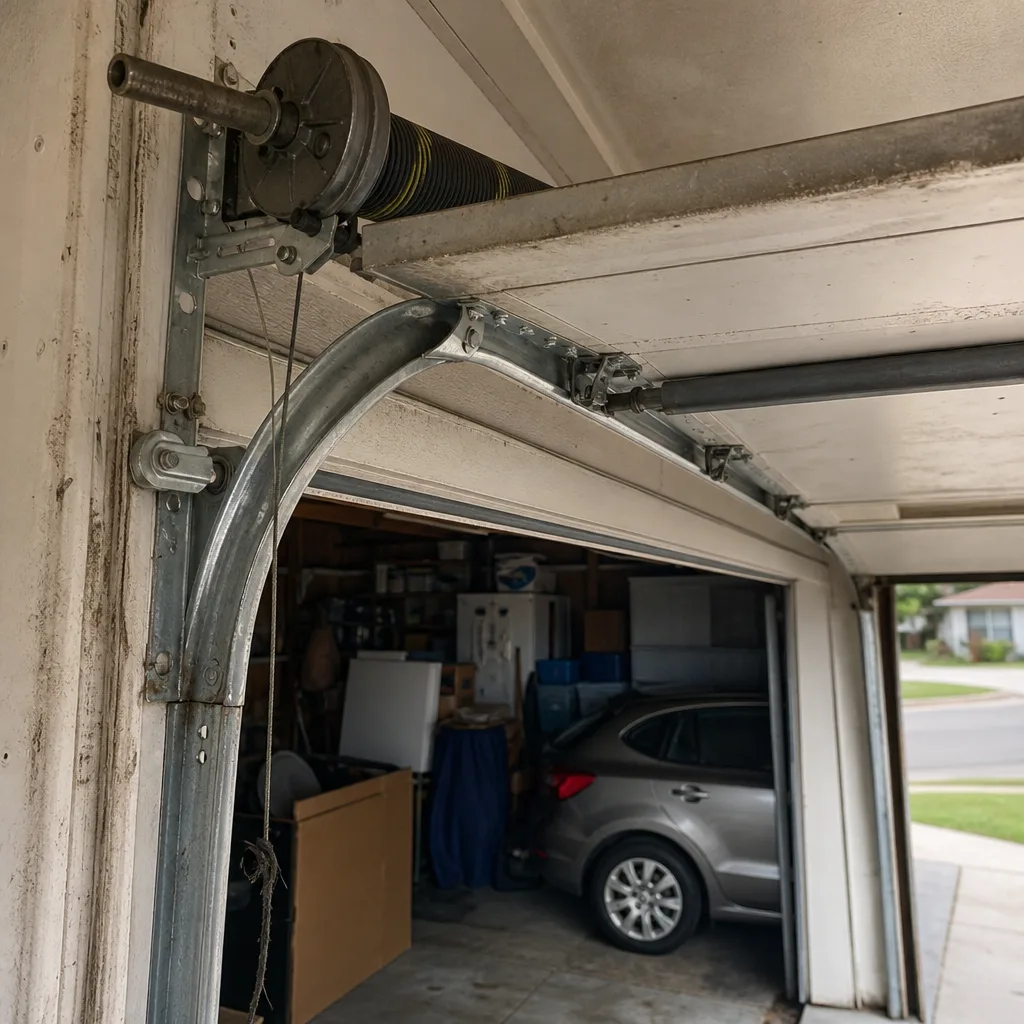 Before
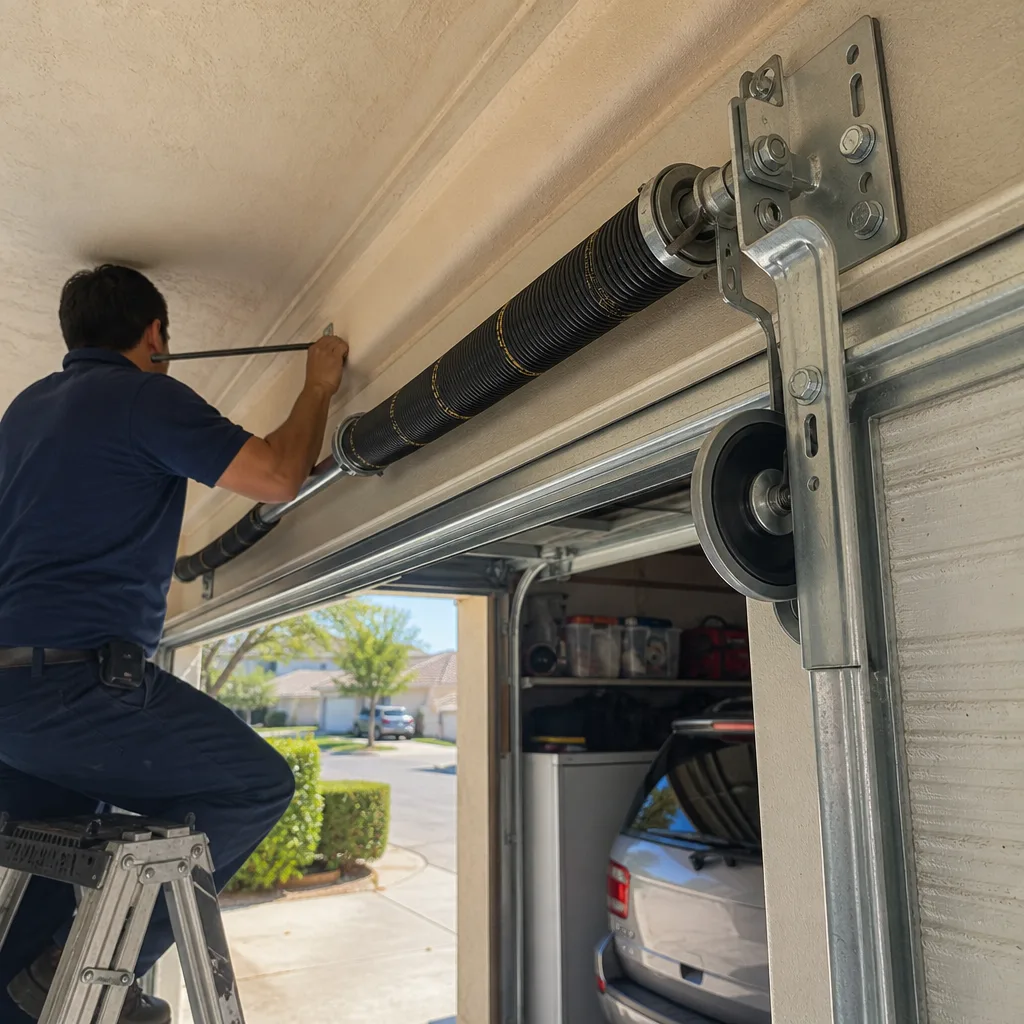 After
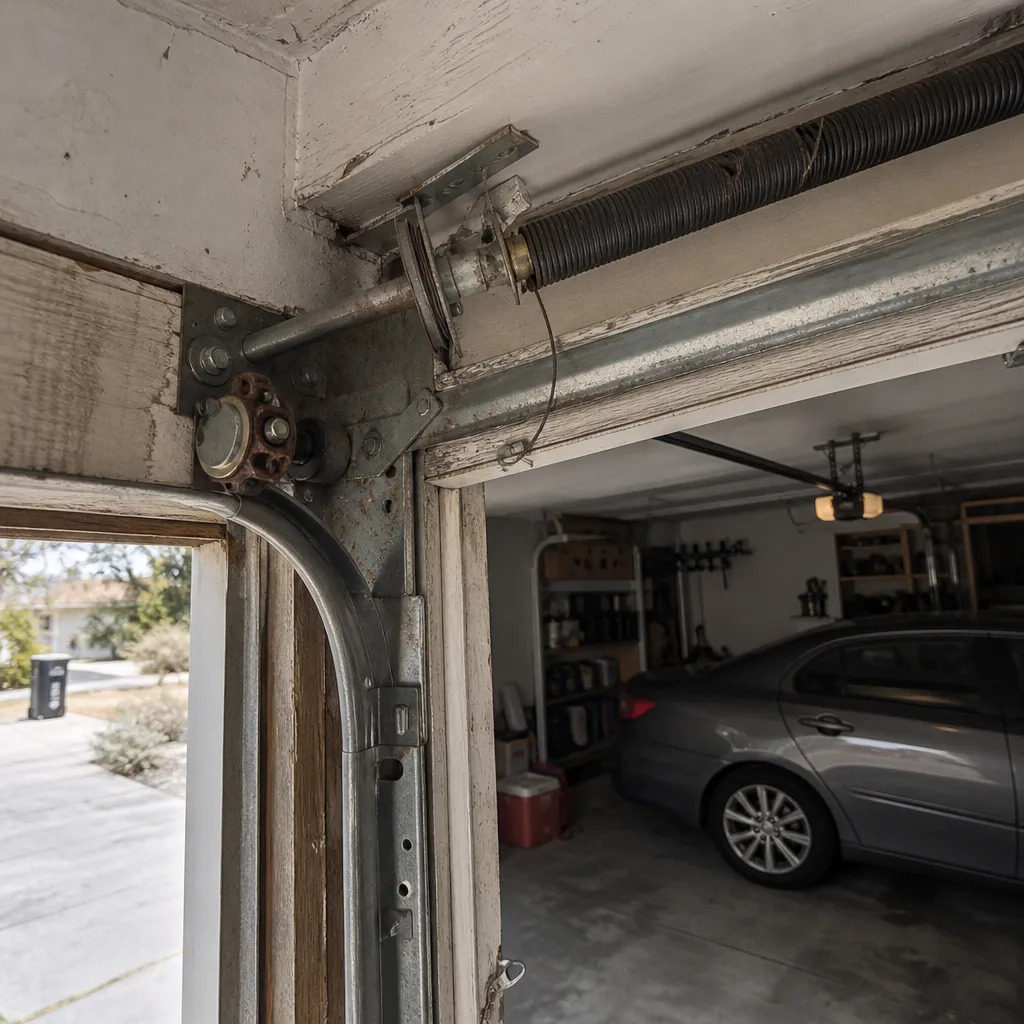 Before
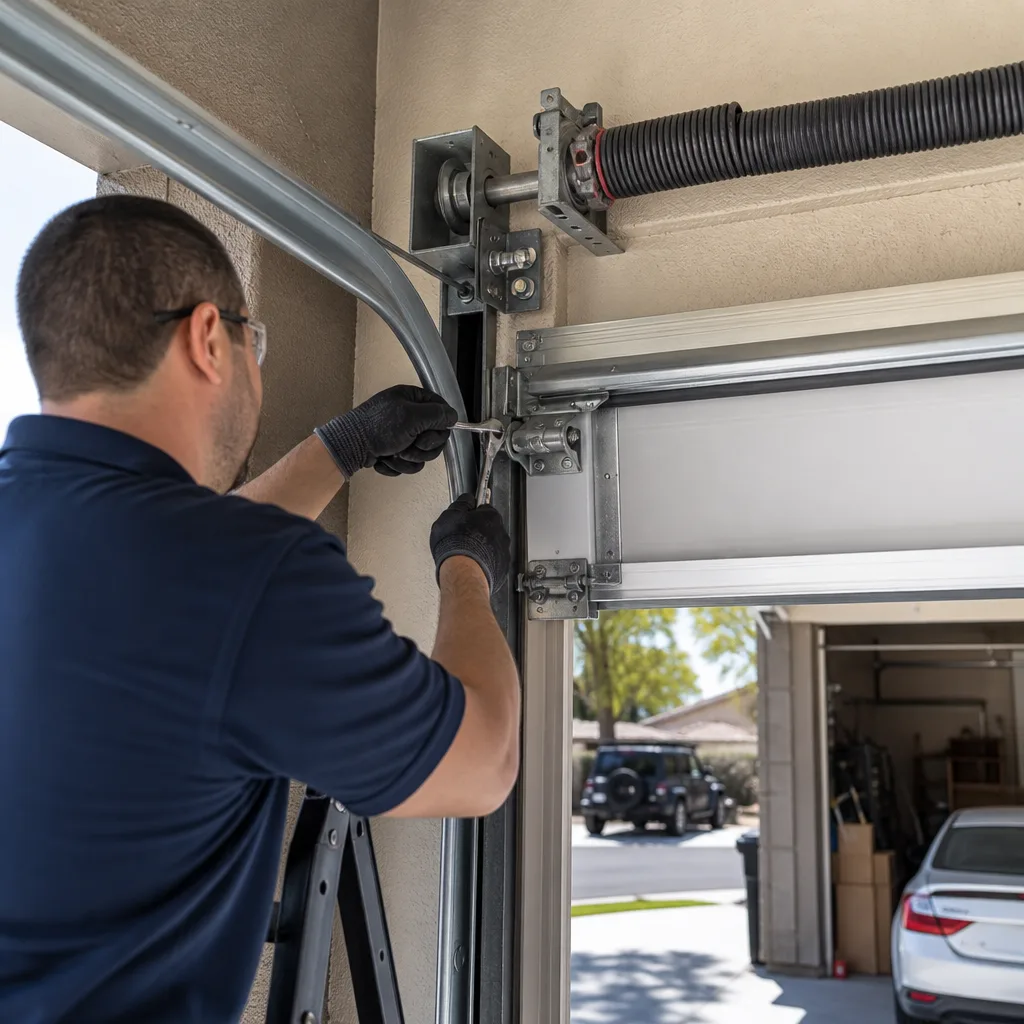 After
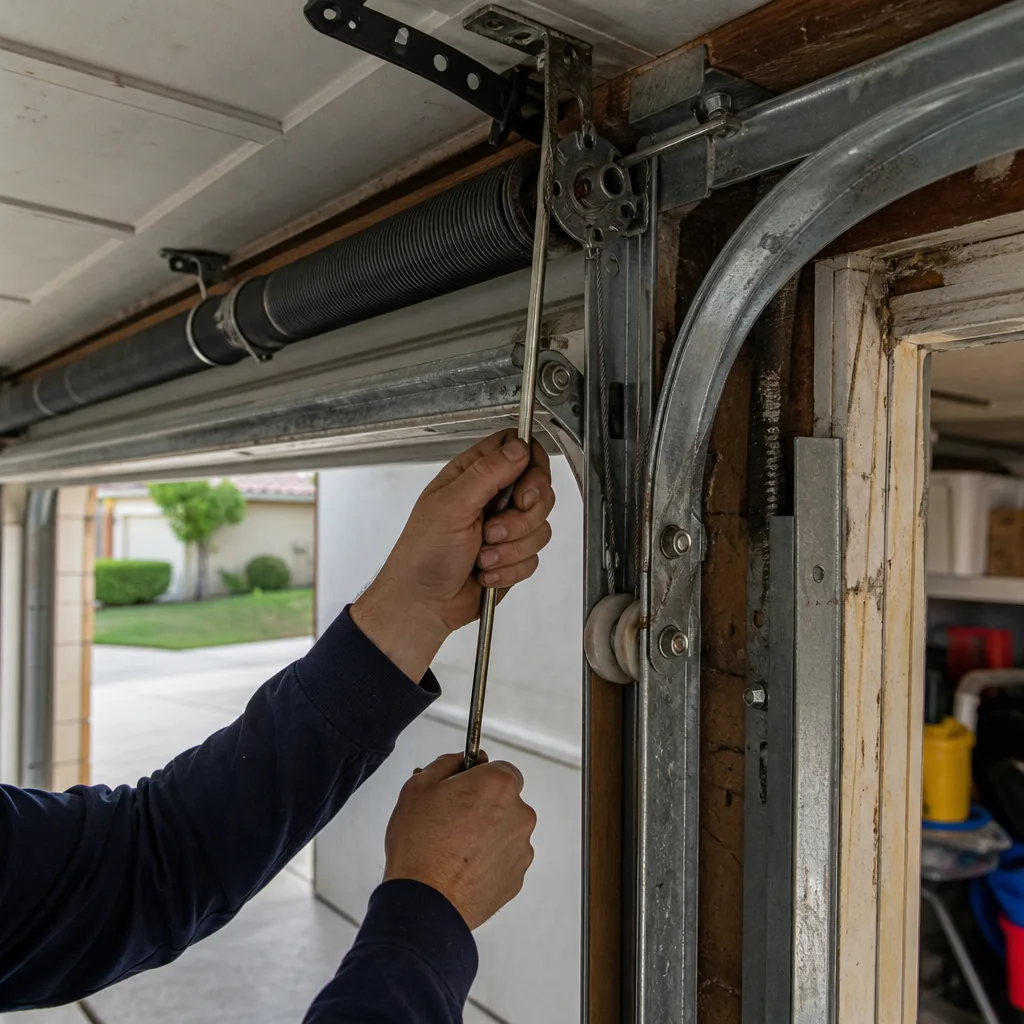 Before
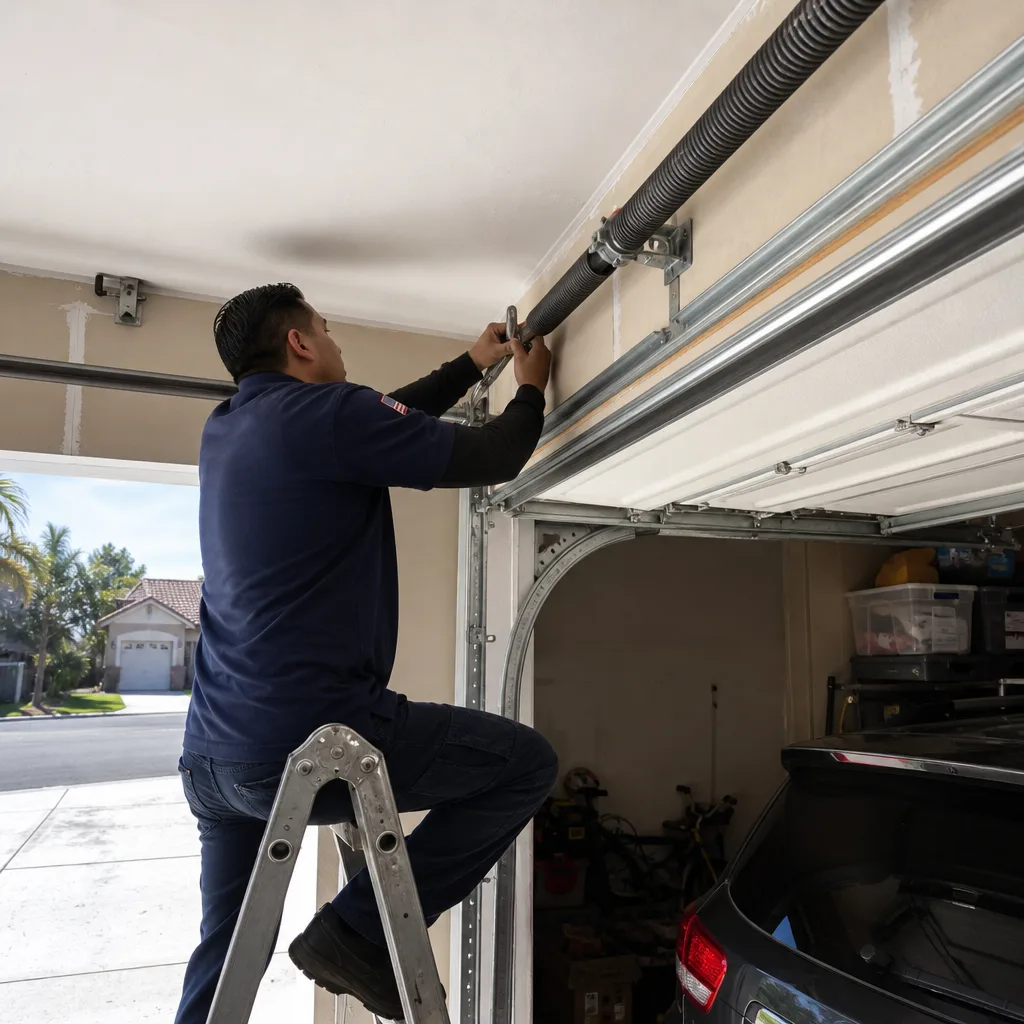 After