
Last updated October 30, 2026
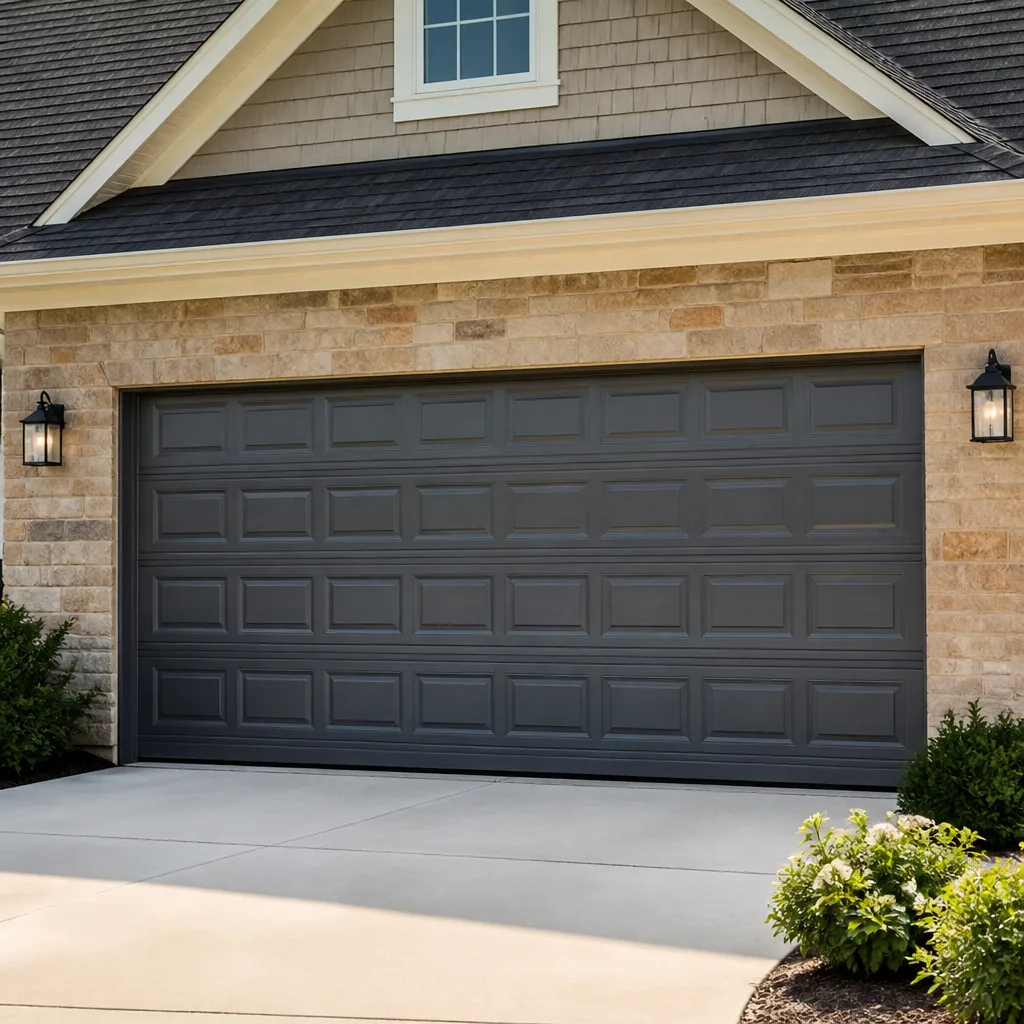 Raised-panel steel
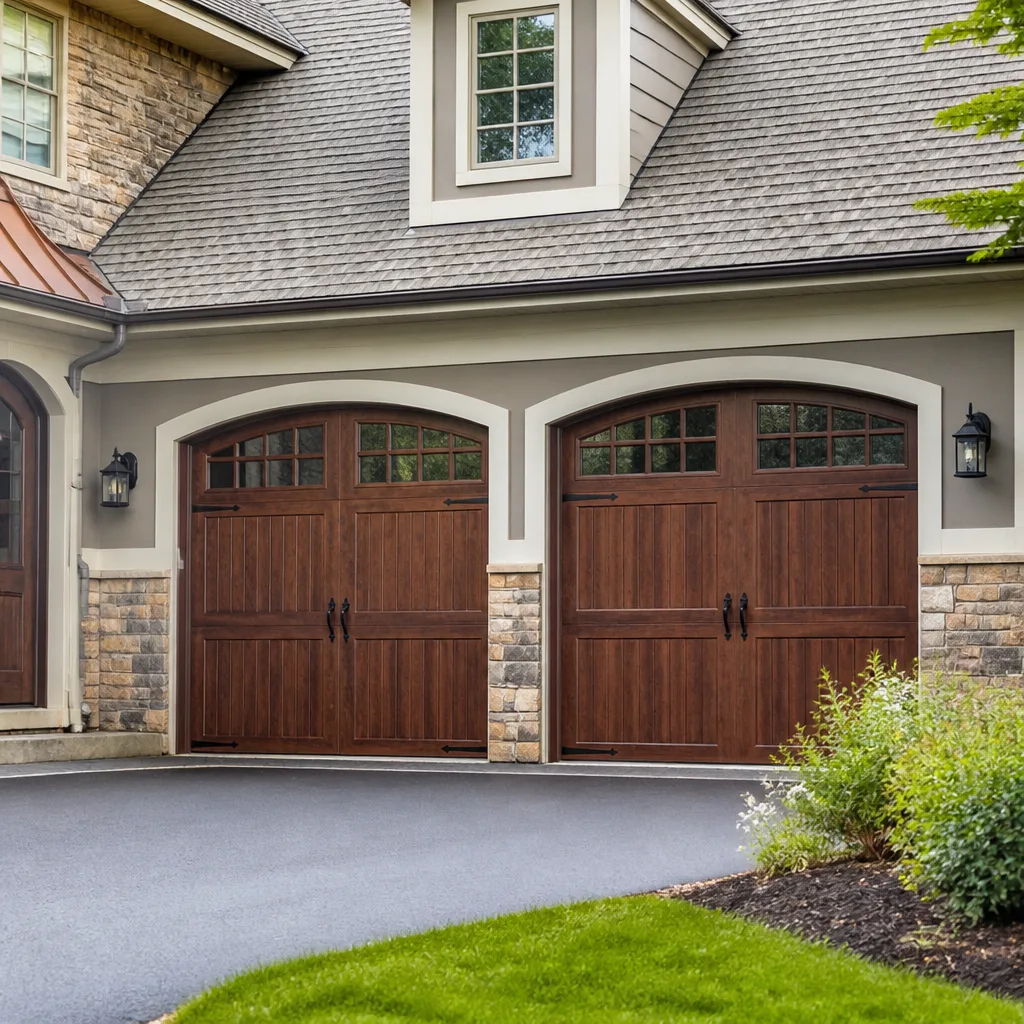 Carriage house
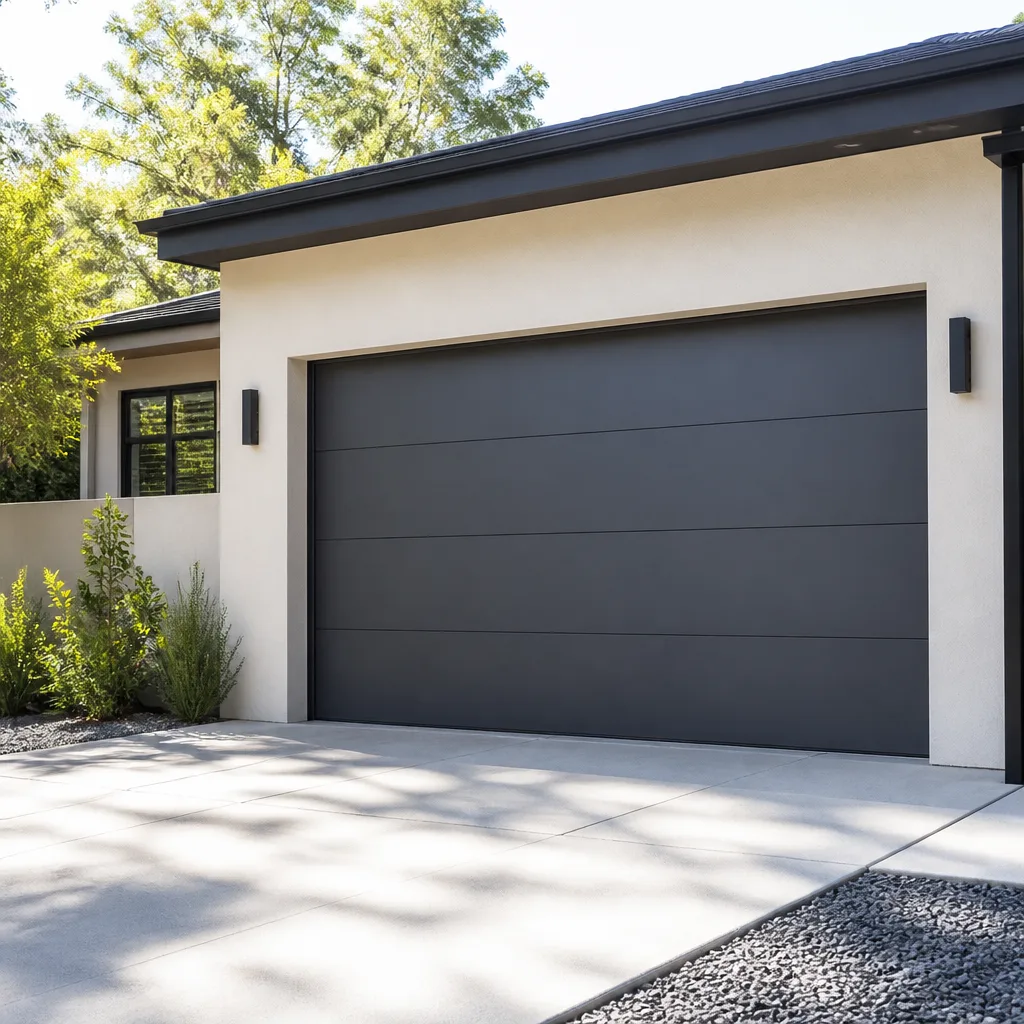 Modern flush
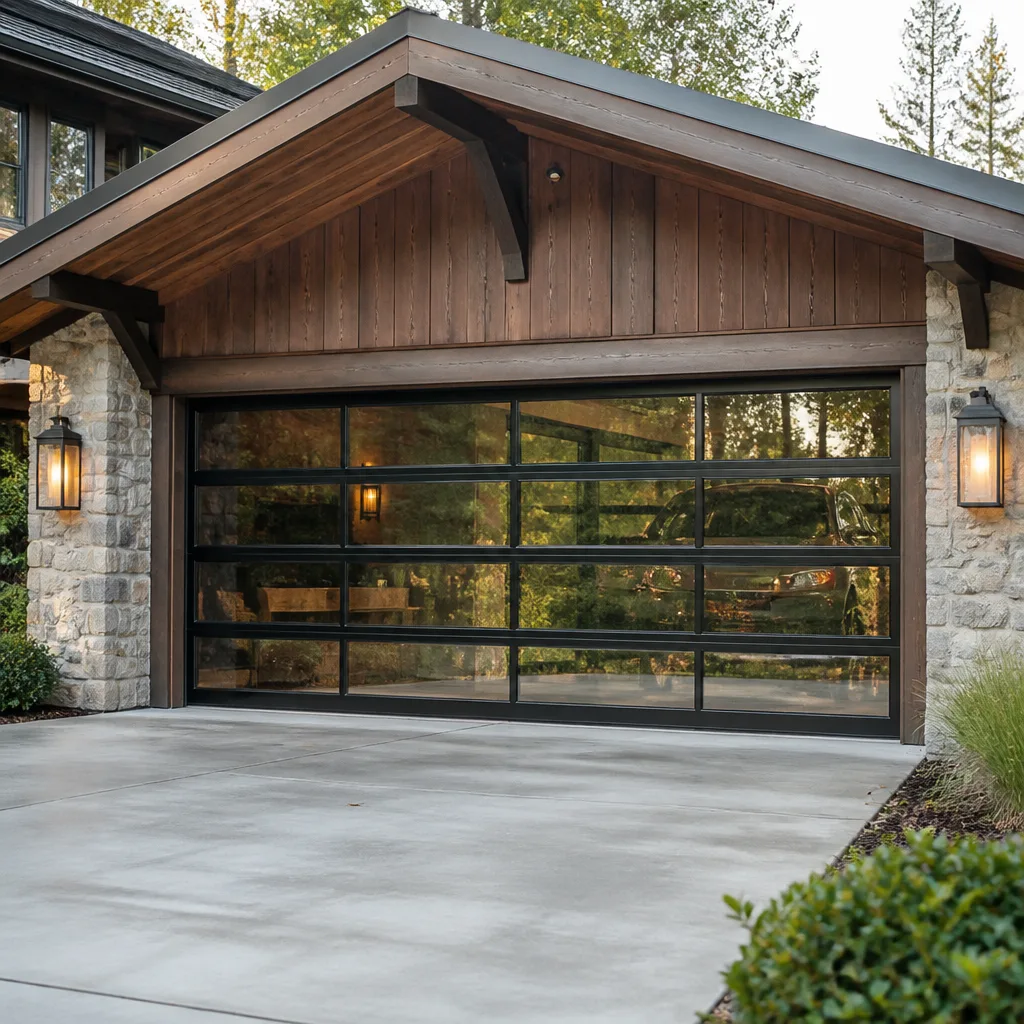 Full-view glass
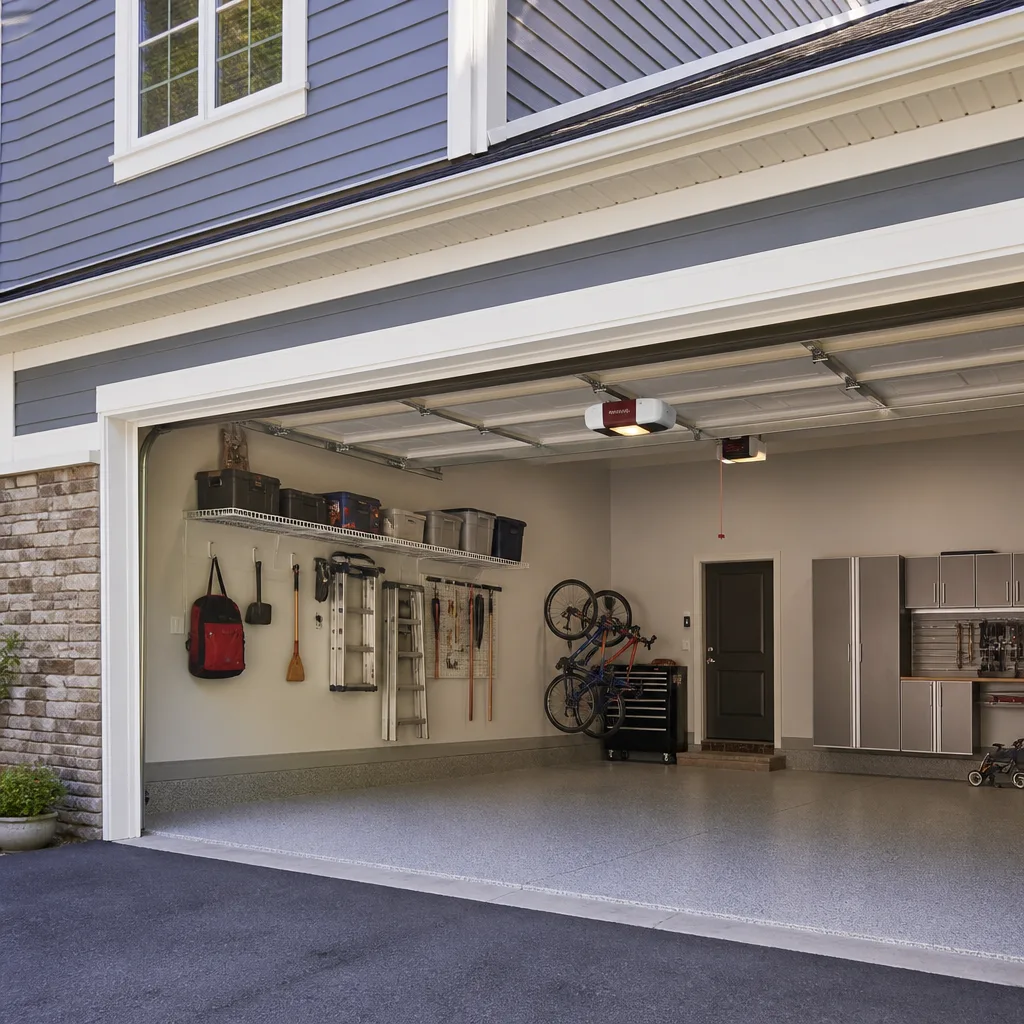 LiftMaster openers
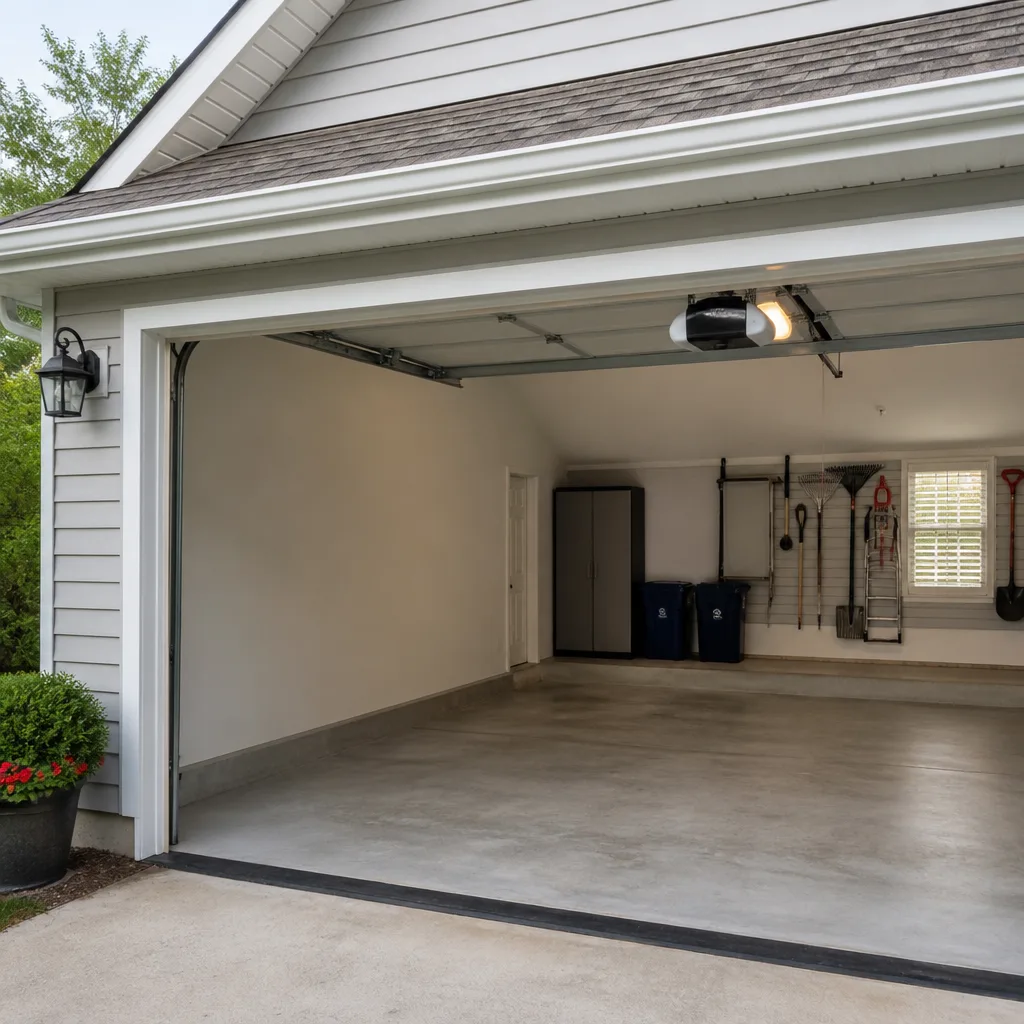 Chamberlain openers
Full 25-point door and opener safety check with every visit - springs, cables, rollers, tracks, and your LiftMaster or Chamberlain opener included
You get a price before we start. It does not change when the truck arrives.
Get your free estimateGarage Door Emergency Preparedness Guide for Temecula Homes
During the 2025 Murrieta-area power outages, a pattern emerged that most homeowners never think about until it’s too late: garage doors with openers that lacked battery backup simply wouldn’t open. Dozens of households found themselves unable to get vehicles out of the garage in the dark, some with no alternative exit from the home. In Temecula, where wildfire season, rolling blackouts, and the occasional seismic event are part of the landscape, a garage door that only works when the grid is up isn’t just an inconvenience. It’s a gap in your household safety plan. This guide covers exactly what to do before, during, and after an emergency so your garage door never traps you or your vehicles when minutes matter, and you can find Garage Door Repair Troubleshooting: Common Problems and How to Fix Them for additional help.
Quick Answer
Garage door emergency preparedness in Temecula means three things: knowing how to operate your door manually when power fails, confirming your opener has a working battery backup or retrofitting one, and inspecting the door’s springs, cables, and tracks after seismic or fire events before resuming normal use. Most power-outage emergencies are solvable by pulling the manual release cord correctly and lifting the door by hand. Homeowners who prepare ahead of time avoid the panic of a stuck door during an evacuation window.
Styles & brands we work with
Table of Contents
- How to Use the Manual Release Cord Correctly
- Battery Backup Openers and California’s 2019 Mandate
- Wildfire Evacuation Protocol for Garage Doors
- Post-Earthquake Garage Door Inspection Checklist
- Securing Your Garage Door Manually During Extended Emergencies
- The Keyed Exterior Release Cylinder Most Homeowners Don’t Know They Have
- Common Mistakes to Avoid
- When to Call a Professional
- Frequently Asked Questions
How to Use the Manual Release Cord Correctly
The red cord hanging from your garage door opener’s rail is the manual release mechanism. Pulling it disconnects the door from the opener carriage, allowing you to lift the door by hand. But there’s a critical detail most Temecula homeowners get wrong: you should only pull the cord when the door is fully closed. Pulling it while the door is open, especially on a door with a broken spring, can send the door crashing down. A 16-foot steel door weighs between 150 and 250 pounds. That’s enough to cause serious injury.
Here’s the correct sequence, and it works across the major brands we service, including LiftMaster, Genie, Chamberlain, and Craftsman:
- Confirm the door is fully closed. If it’s open and the opener has no power, do not pull the cord yet. Call for professional help before the situation worsens.
- Firmly grip the red handle and pull down and toward the garage door. You’ll hear a click or feel the carriage release.
- Lift the door manually using the handle or bottom rail. A properly balanced door should lift with moderate effort and stay open about three to four feet off the ground on its own.
- If the door feels heavy or slams shut, stop immediately. That indicates a broken torsion spring, and the door is unsafe to operate manually.
- To reconnect, pull the cord again while the door is closed and run the opener until the carriage re-engages. On LiftMaster and Chamberlain models, you’ll hear a distinct snap when the trolley locks back in.
One common failure we see in Temecula garages: homeowners pull the cord during a power outage, successfully open the door, then can’t get it closed again because the door drifts down slowly or won’t stay in the raised position. That’s a spring tension problem, not an opener problem. If the door won’t hold its position manually, the springs need attention before you can rely on the manual backup; see our Garage Door Repair Maintenance Checklist for Temecula Homeowners for what to check.
Battery Backup Openers and California’s 2019 Mandate
Garage Door Permits, Codes & Inspections in CA: What You Need to Know confirms that California Building Code now requires battery backup on all newly installed residential garage door openers. The mandate took effect in 2019, which means homes built in Temecula after that date should have openers with built-in battery backup as original equipment. Homes built earlier often don’t. That’s the gap most homeowners discover during an outage, and the 2025 Murrieta-event lessons apply directly here: a retrofit is simpler than most people assume. Many current LiftMaster and Genie models accept a plug-in battery backup module that installs in under an hour without replacing the entire opener.
If your opener predates 2019, you have two practical options:
- Install a compatible battery backup kit. LiftMaster sells retrofit kits for many Chamberlain and LiftMaster models going back several years. Check the model number printed on the side of the motor housing.
- Replace the opener entirely. If your opener is 10 years old or more, a new unit with integrated battery backup and smart features may cost less over time than retrofitting aging hardware.
During a power outage, a battery backup typically provides enough power for 10 to 20 open-and-close cycles over a 24-hour period. That’s sufficient for evacuation and re-entry. The battery itself lasts two to three years and is user-replaceable on most models. We recommend testing the backup quarterly. Unplug the opener and press the remote. If the door doesn’t move, the battery has failed and needs replacement.
Wildfire Evacuation Protocol for Garage Doors
Temecula sits in a wildfire-prone corridor, and evacuation orders can come with almost no warning. From a garage door perspective, the goal is simple: your door must open on command, every time, and it must not do anything unexpected when the power grid behaves erratically. California’s investor-owned utilities now use Public Safety Power Shutoffs during high-wind events, which means your garage door may lose power precisely when evacuation is most likely.
Here’s the less obvious risk: some modern smart garage door openers can be configured to automatically open or close based on schedules, geofencing, or third-party automation platforms. During a power event, an automation glitch could open your garage door at a moment when embers are blowing toward the house, or close it and remain unresponsive when you need it open. If you live in an area of Temecula with significant wildland-urban interface exposure, we recommend disabling automation routines during Red Flag Warning days and high-wind events. Run the door strictly from the wall button, remote, or manual release.
Develop an evacuation checklist that includes the garage:
- Park vehicles front-in with the nose toward the garage door during fire season, even if you normally back in.
- Keep the manual release cord unobstructed. Don’t hang bicycles, extension cords, or storage hooks from the opener rail that could tangle the cord.
- Test the battery backup at the start of fire season each year.
- Know whether your exterior keyed release cylinder works. If it doesn’t, have it repaired.
- Keep a dedicated emergency kit near the interior garage door, not buried on a shelf.
One point that rarely appears in standard guides: if a wildfire is actively approaching and the power is unstable, leave your garage door closed. An open garage bay acts as an ember trap, and wind-driven embers entering the garage through an open door are a primary ignition source for residential structure fires.
Post-Earthquake Garage Door Inspection Checklist
Temecula sits close enough to the San Jacinto and Elsinore fault zones that moderate shaking happens every few years. After any earthquake strong enough to rattle dishes, check your garage door before operating the opener. A seismic event can shift tracks, loosen wall mounts, pop cables off drums, or damage spring anchor brackets. Operating the door with compromised hardware can cause a cable to snap under tension or the door to derail completely.
Here’s the inspection sequence we use:
- Visually inspect both tracks. Look for separation from the wall, bent sections, or gaps wider than a quarter inch between track and rollers. Check the brackets that mount the track to the wall and ceiling.
- Inspect both extension or torsion springs. For torsion springs above the door, look for gaps or separation in the coil. For extension springs on the sides, confirm both are intact and connected to the safety cables that run through their centers.
- Check the lift cables. Cables should be taut on both sides and seated inside the grooves of the drums. A frayed or slack cable is a replacement priority.
- Test the balance manually. Close the door, pull the release cord, and lift halfway. If the door feels heavy, drifts down, or binds, stop using the opener immediately.
- Operate the opener once. Watch and listen for unusual grinding, hesitation, or shaking. If anything sounds off, disconnect the opener and call for service.
Do not attempt to adjust or replace torsion springs yourself. These components are under enough tension to cause life-threatening injury. A garage door specialist can assess and repair spring damage safely, and we handle earthquake-related damage regularly in Temecula.
Securing Your Garage Door Manually During Extended Emergencies
When the power is out indefinitely, securing a garage door manually becomes a practical concern. Without an operating opener, the door is disconnected from the drive system and can be lifted by anyone from the outside unless you take steps to secure it. This is especially relevant in extended outage scenarios, which are increasingly common in Southern California due to grid strain and wildfire mitigation shutoffs.
From the inside, the most reliable method is to slide a bolt or heavy-duty padlock through one of the track holes just above a roller. This physically prevents the door from being lifted. Some homeowners use a C-clamp or vise grip on the track for the same purpose. For a longer-term solution, install a manual slide bolt lock designed for sectional garage doors. These mount to the door interior and engage a hole in the vertical track. It’s a simple retrofit that works on Clopay, Amarr, and Wayne Dalton doors alike.
From the outside, security depends on a component most homeowners don’t know exists: the keyed exterior release cylinder. We’ll cover that next. But the short version is that without a functioning exterior release, the only way to open a secured garage from outside is through a pedestrian door or by force, neither of which is practical when you return from an evacuation.
The Keyed Exterior Release Cylinder Most Homeowners Don’t Know They Have
Walk to the center of your garage door and look for a small keyhole mounted on the exterior face panel. That’s the keyed release cylinder. It connects by cable to the emergency release mechanism on the opener carriage. Inserting the key and turning it pulls the release cord from outside, disconnecting the opener so you can lift the door manually. The feature exists on most sectional doors, regardless of brand, including Raynor, Clopay, and Wayne Dalton models. Yet most Temecula homeowners have never used it and don’t know whether their key still works.
Here’s how to test it:
- Locate the keyed release on the exterior of the door, typically centered near the top panel or at adult eye height.
- Confirm you have the key. It’s not the same as your house key unless the previous owner had it rekeyed.
- Insert the key and turn. You should feel the mechanism pull the release cord around 90 degrees of rotation.
- From outside, lift the door manually. It should move freely once the carriage is released.
- Reconnect and test the opener from the wall button.
If you don’t have the key or the cylinder is rusted in place, a technician can replace the cylinder and cut new keys. This is a small repair that dramatically improves your ability to access and secure the garage during a prolonged outage. We regularly replace these cylinders on Temecula homes where the key was lost years ago.
Common Mistakes to Avoid
- Pulling the manual release cord while the door is open. This is the fastest way to a door crashing down, especially if a spring is weakened. Always release with the door closed.
- Assuming a door that opens manually will close manually. A door that drifts down or won’t hold position has a spring problem. You’ll get it open, then fight it closed, and risk injury doing so.
- Ignoring the battery backup because the opener still works on normal power. Battery backup is only testable when you unplug the opener. Most dead batteries are discovered during an actual outage, which is precisely the wrong time.
- Never testing the keyed exterior release. If the key is lost or the cylinder is seized, you can’t open the garage from outside when the power is down. This turns a controlled evacuation into a forced-entry problem.
- Skipping the post-earthquake inspection. Even a small shift in the tracks can cause a cable to derail days later. Operating a damaged door under opener power is how small problems become full panel replacements.
- Leaving automation routines enabled during fire weather. Smart openers that open on a schedule or geofence can behave unexpectedly during power fluctuations. On Red Flag days, your opener should only respond to direct commands.
- Attempting DIY spring repair after a failure. Torsion springs under tension can cause severe injury or death. This is never a YouTube tutorial situation, and Temecula service calls for spring replacement are often same-day.
When to Call a Professional
Some garage door issues are maintenance tasks you can handle with a ladder and a flashlight. Others require a specialist with the right tools and the training to work safely on components under extreme tension. Call a professional if your door is off-balance, if cables are frayed or off the drum, if springs show gaps or separation, if the opener motor runs but the door doesn’t move, or if the keyed exterior release cylinder doesn’t function. Let’s be clear about what’s at stake: springs, cables, and tracks on a loaded door store enough energy to cause serious injury. If you’re not certain about a component’s condition, do not operate the door. Seabreeze Garage Door offers free estimates in Temecula and can assess emergency-related damage the same day. Call (888) 913-4062.
Frequently Asked Questions
Emergency garage door repairs in Temecula typically range from $125 to $450 depending on whether the issue is a broken spring, a snapped cable, a derailed roller, or an opener failure. Minor fixes like replacing a keyed release cylinder run lower, while full spring-system replacement on a two-car door falls toward the upper end. Call (888) 913-4062 for an exact quote, estimates are free.
Yes, most garage door emergencies can be addressed same day. Repair requests for broken springs, snapped cables, and doors stuck in the open position are prioritized because they leave the home unsecured if left overnight. Call (888) 913-4062 and tell us what’s happening, and we’ll give you a straight answer on timing.
No, the price you receive is a written quote agreed to before any work starts. We don’t quote over the phone and then inflate the invoice on site. In the rare case additional damage is found during the repair, you’ll be told before any extra work is done and asked to approve it.
We stock common components for LiftMaster, Chamberlain, Genie, Craftsman, and Wayne Dalton systems, including springs, cables, rollers, safety sensors, and battery backups. For less common parts, we order and schedule promptly. This brand coverage means one call handles most Temecula repair needs without waiting for parts to ship.
Probably not, unless a previous owner installed one. California’s battery backup mandate applied to openers installed after July 2019, so homes in Temecula built before that date typically have openers without backup. A retrofit kit is available for many LiftMaster, Chamberlain, and Genie models, and we can tell you whether yours is compatible by model number.
Only after a visual inspection of the tracks, cables, springs, and wall mounts. If the door looks aligned, opens smoothly by hand, and the opener runs without unusual noise, it’s likely safe. If you see track separation, slack cables, or coil gaps in the springs, disconnect the opener and call (888) 913-4062 for an inspection before operating the door again.
The Bottom Line
Garage door emergency preparedness in Temecula comes down to four habits: test your manual release before you need it, verify your battery backup works by unplugging the opener, inspect your door after any earthquake or high-wind event, and maintain a functioning keyed exterior release for access when the power is down. The households that struggled during the 2025 Murrieta outages weren’t dealing with broken doors. They were dealing with doors that hadn’t been checked. A few minutes of testing now means an open door when evacuation, re-entry, or a returning family member depends on it. We work on all eight major brands, from LiftMaster drive systems to Clopay and Wayne Dalton door panels, and we’re familiar with the specific conditions Temecula homes face. Call (888) 913-4062 for a free estimate or a preparedness assessment, and explore more guides & resources on our blog.
Written by the team at Seabreeze Garage Door, serving Temecula since 2014.
See the difference
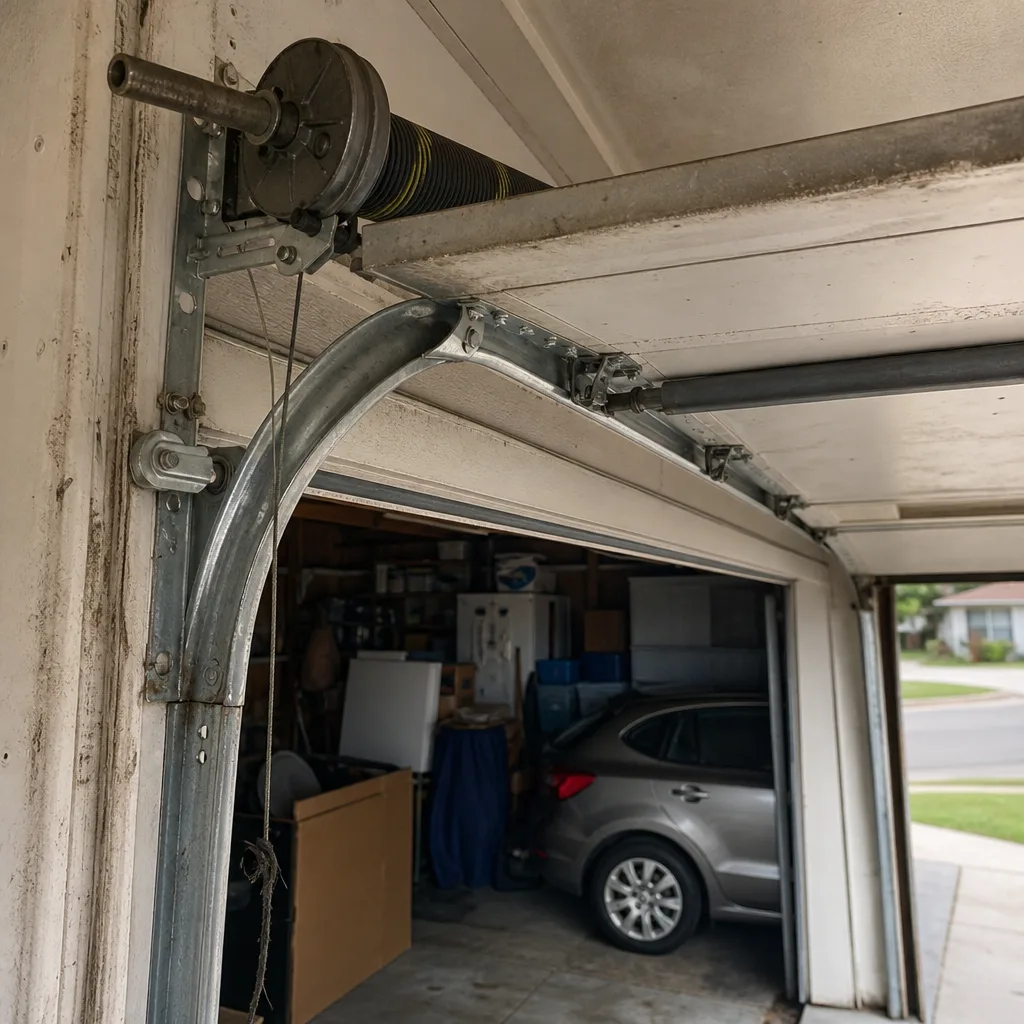 Before
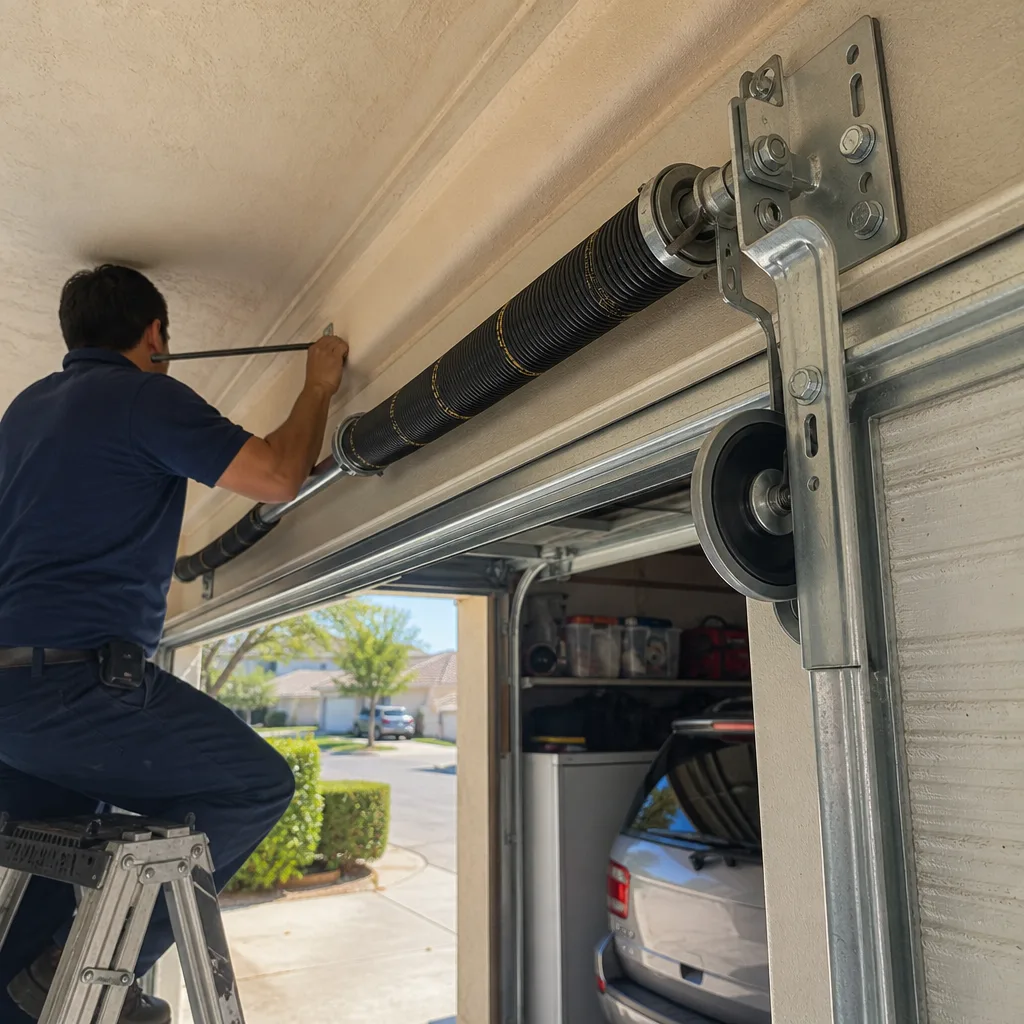 After
 Before
 After
 Before
 After