
Last updated October 30, 2026
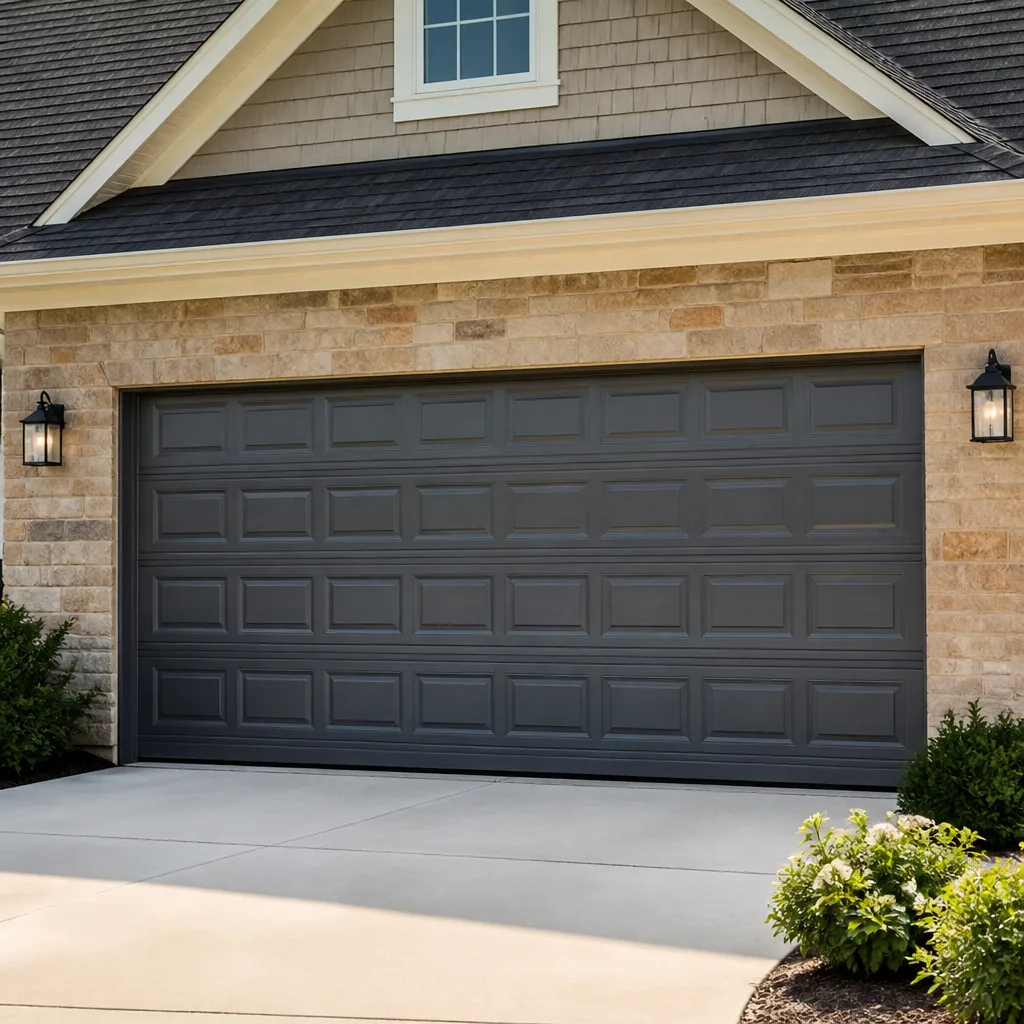 Raised-panel steel
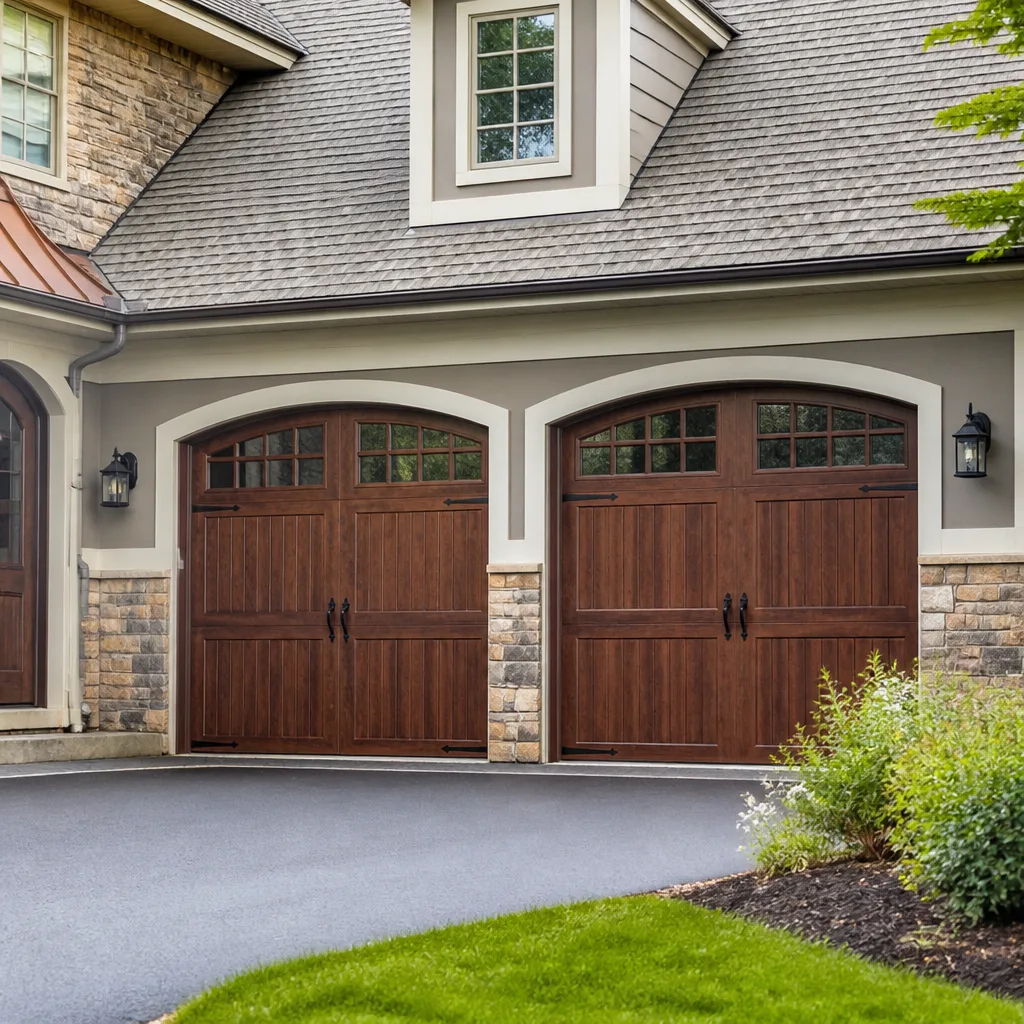 Carriage house
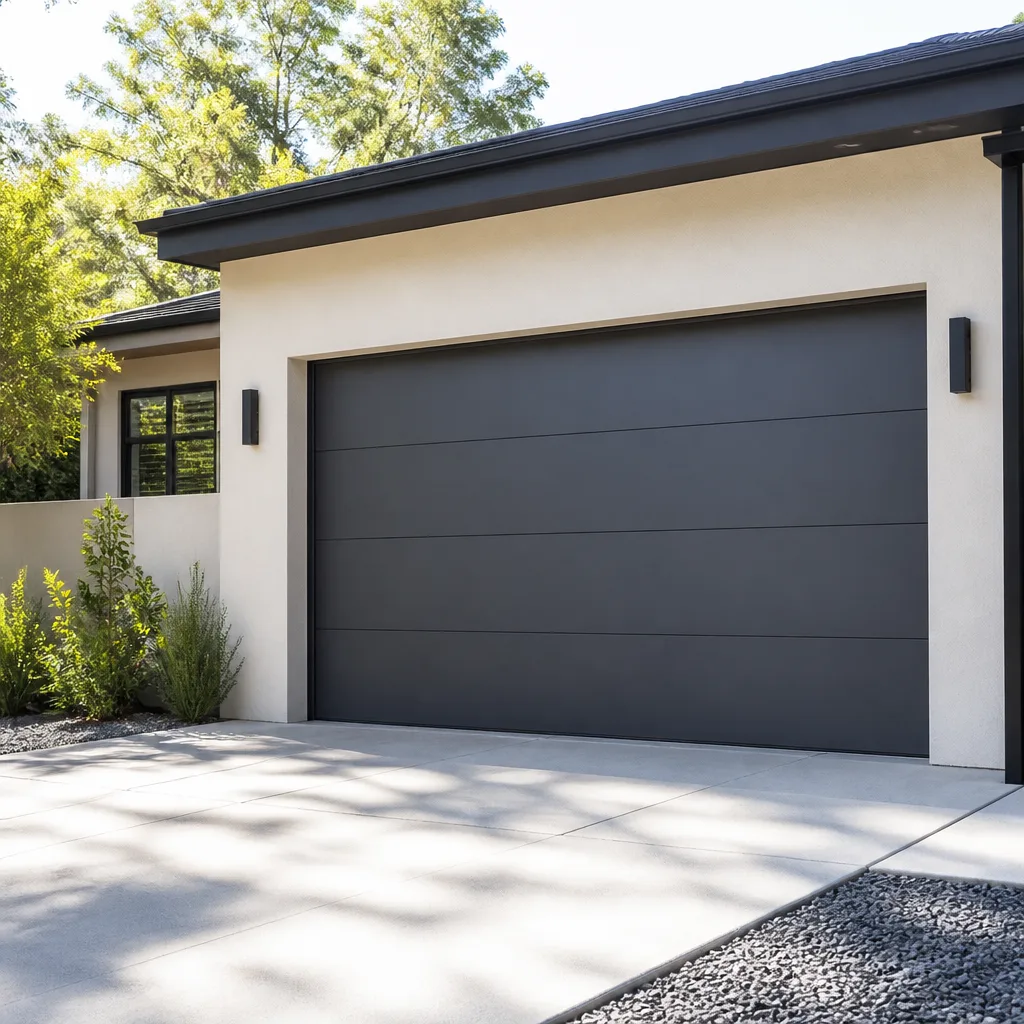 Modern flush
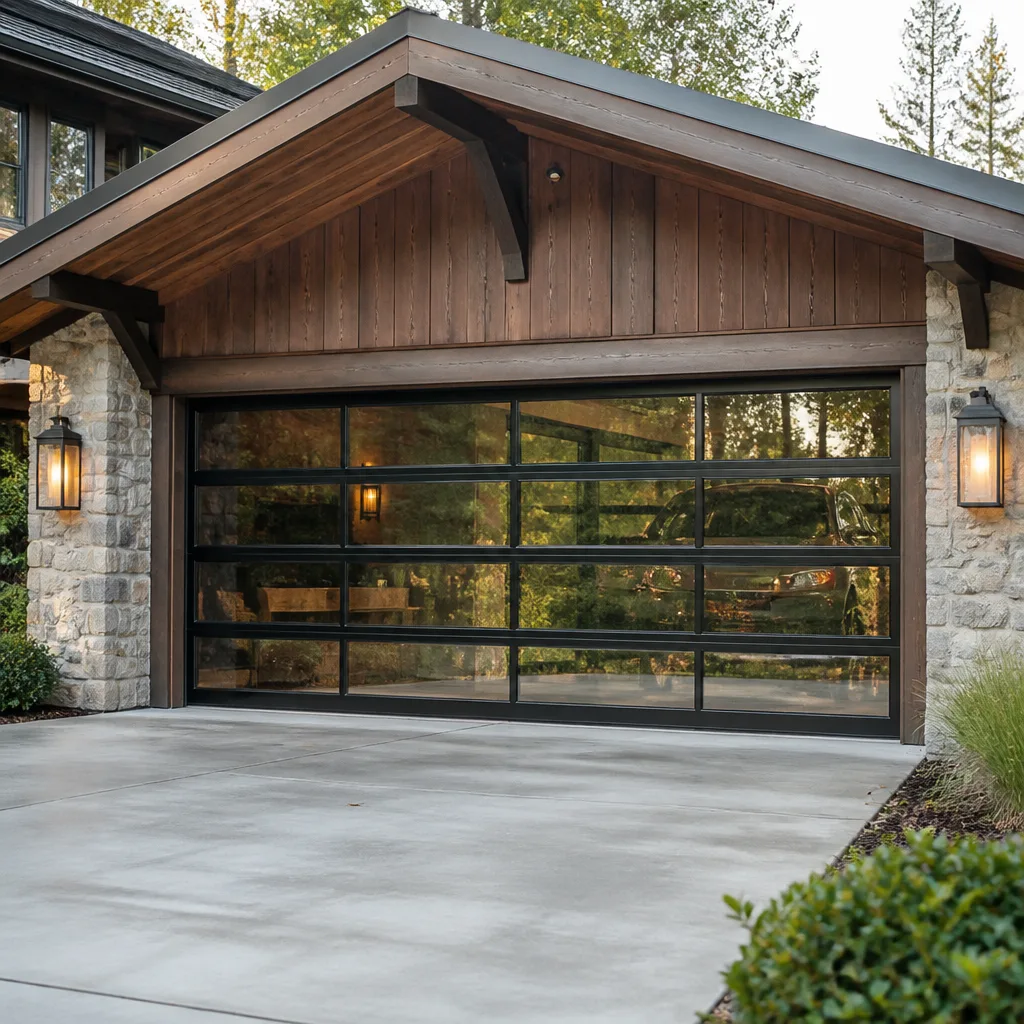 Full-view glass
 LiftMaster openers
 Chamberlain openers
Full 25-point door and opener safety check with every visit - springs, cables, rollers, tracks, and your LiftMaster or Chamberlain opener included
You get a price before we start. It does not change when the truck arrives.
Get your free estimateDIY vs Professional Garage Door: The Temecula Homeowner’s Decision Guide
Here’s a number most Temecula homeowners never hear: a typical torsion spring on a double-wide garage door is wound tight enough to lift roughly 150 to 250 pounds of dead weight, and when that spring lets go under tension, it releases all of that stored energy in a fraction of a second. Yet the most-watched garage door spring tutorials on YouTube spend more time showing the wrench turns than explaining how to calculate the correct number of winding revolutions for a specific door weight and drum size. That omission is exactly where amateur spring replacements go wrong, and it’s a mistake that can send someone to Rancho Springs or Temecula Valley Hospital on a Saturday afternoon. This guide walks you through which garage door tasks a careful Temecula homeowner can handle with basic tools, and which ones warrant a professional, not because you lack the skill, but because the risk profile simply doesn’t pencil out.
Styles & brands we work with
Quick Answer
DIY garage door work in Temecula is realistic for four tasks: lubricating rollers and hinges, cleaning and aligning safety sensors, reprogramming remotes and keypads, and replacing a worn bottom seal. Professional help is the only sane choice for torsion spring replacement, cable work, track repairs, and panel replacement, regardless of how many tutorials you’ve watched, because those components operate under high tension or structural load and the cost of getting one wrong, in both injury and follow-up repairs, runs far higher than the service call itself.
Table of Contents
- The Task-by-Task Risk Matrix: What’s Actually DIY-Safe
- The Hidden Cost of Improper Spring Winding
- California Liability and Home Sale Disclosure in Riverside County
- The Tool Gap: DIY Maintenance Tools vs. Professional Equipment
- How to Evaluate a YouTube Garage Door Tutorial
- How Temecula’s Climate Affects Your Garage Door
- Understanding Your Door and Opener Brand Before You Touch Anything
- Common Mistakes to Avoid
- When to Call a Professional
- Frequently Asked Questions
- The Bottom Line
The Task-by-Task Risk Matrix: What’s Actually DIY-Safe
We’ve repaired and serviced garage doors across Temecula, from the tract-home neighborhoods off Rancho California Road to the acreage properties in De Luz and Wine Country, and the pattern is consistent. The homeowners who call us with small, manageable issues have done the safe maintenance themselves and caught a problem early. The ones who call with catastrophic failures usually attempted something that looked simple on video but involved stored energy or structural alignment.
Here’s how the tasks actually break down, based on what we see in Temecula homes every week:
DIY-Safe Tasks
- Lubrication: White lithium grease on the opener rail, spray lubricant on rollers and hinges. Takes 15 minutes. No risk beyond a messy shirt.
- Sensor alignment: If your door reverses for no reason, two sensors near the floor on either side of the opening may be misaligned. Loosening one bracket, aiming the sensor until its indicator light steadies, and tightening it back down is a five-minute fix.
- Remote and keypad programming: Every major brand (Chamberlain, Genie, LiftMaster, Craftsman) has a learn button on the motor unit. The process differs slightly by model, but the manual is free online and the step-by-step takes under ten minutes.
- Bottom seal replacement: The rubber strip along the bottom of the door hardens and cracks in Temecula’s dry summer heat. You can slide the old one out and the new one in with pliers and patience. The seal itself runs $20 to $40 at any hardware store.
Professional-Only Tasks
- Torsion spring replacement: The springs sit on a metal tube above the closed door and counterbalance its entire weight. Winding one requires two steel bars inserted into the winding cone, and if either bar slips, the spring unwinds instantaneously with enough force to fracture bones or worse. We handle this every day, and we still treat each one with full respect.
- Cable replacement: The cables run under high tension on both sides of the door. They also run through pulleys and around drums that must be precisely aligned. A frayed cable is a warning sign the drum or spring is already failing.
- Track and roller work on a door beyond basic tightening: Bent vertical or horizontal tracks are load-bearing when the door moves. Hammering a track back into shape weakens the metal and misaligns travel.
- Panel replacement: A damaged panel is heavy, awkward, and connected to the rest of the door by hinges that distribute load in specific ways. One wrong lift and you’re looking at a bent track, a snapped cable, or an injured back.
The through-line is simple. If the component you’re about to touch stores energy when the door is closed, leave it to a professional. If it only moves when you move it, proceed with care.
The Hidden Cost of Improper Spring Winding
The immediate danger of an amateur torsion spring job is obvious: a bar to the face, a broken hand, a trip to the ER. But there’s a quieter, less talked-about cost that shows up in Temecula homes about 18 months after a confident DIY spring install. The door starts hesitating. The opener motor strains. A cable frays. The homeowner calls us because the door “just stopped working one day,” and what we find is a spring that was never wound to the correct turn count for that specific door.
Here’s what actually happens when a spring is under-wound or over-wound, even slightly:
- Under-wound springs do too little lifting, so the opener motor carries the excess weight every cycle. A motor rated for 10,000 cycles may burn out in 3,000. That’s a $300 to $500 opener replacement that would have been avoided with a correctly wound $80 spring.
- Over-wound springs do too much lifting, which sounds harmless until you realize the door now wants to fly up and the cables go slack at the top of travel. Slack cables jump their drums, wrap around the shaft, and snap. A snapped cable under load can whip through the garage.
- Wrong wire size or spring length shifts force unevenly to one side, which wears bearings and end brackets, bends the torsion tube, and eventually twists the door itself out of square in the opening.
We diagnose spring wear in Temecula homes by measuring the door’s balance, not by guessing. A correctly balanced door should hold position at the halfway mark when operated manually. If it drops or rises, the spring is wrong. Homeowners can do that test themselves. The correction afterward? That’s professional territory.
If you’re dealing with a spring that’s already broken and you want to know what a replacement costs in the Temecula area, you might also want to read about garage door repair in Wildomar for context on how pricing works across the region.
California Liability and Home Sale Disclosure in Riverside County
Every home sale in California comes with paperwork, and in Riverside County that paperwork includes the Transfer Disclosure Statement, the Seller Property Questionnaire, and, in many Temecula transactions, a supplemental garage-specific addendum from the buyer’s agent. For details on the regulatory side, see our Garage Door Permits, Codes & Inspections in CA: What You Need to Know. The question that catches homeowners off guard isn’t “Has the garage door ever been repaired?” It’s “Was any work performed by an unlicensed individual, and does the seller warrant that work?”
Here’s why that matters for the DIY question:
- Unpermitted structural or mechanical modifications must be disclosed. California Civil Code 1102 requires sellers to disclose all known material facts affecting the property. A self-installed spring that’s still in place when the house sells is a known fact, and a buyer who later has a garage door failure can argue the failure was foreseeable and undisclosed.
- A licensed contractor’s invoice is a shield. When a professional replaces a spring, adjusts a track, or installs a new door in Temecula, the paperwork shows a licensed party performed the work. If something fails after closing, the buyer’s recourse runs through the contractor’s liability coverage, not the seller’s escrow.
- Spring failures are discoverable. Temecula buyers increasingly hire home inspectors who know what a garage door should sound like. A door that shudders, a cable that’s frayed, a spring with visible gaps in its coils: inspectors note these, and agents negotiate. A $900 door problem found during escrow typically turns into a $2,000 credit ask because buyers price in the unknown.
This isn’t about scaring anyone. It’s about the practical reality that a garage door is a mechanical system attached to the largest moving object in your home, and California’s disclosure culture takes that seriously.
The Tool Gap: DIY Maintenance Tools vs. Professional Equipment
A careful homeowner in Temecula can perform legitimate garage door maintenance with a toolbag that most people already own. The gap between that toolbag and what a professional carries on the truck is where the real difference in outcome gets created.
What You Need for Safe DIY Maintenance
- White lithium grease and a spray lubricant for the rollers, hinges, and spring coils
- A step ladder tall enough to reach the opener rail without stretching
- A 3/8-inch and 7/16-inch wrench or socket for tightening loose hinge bolts
- A flathead screwdriver for adjusting sensor mounting brackets
- A tape measure for checking the bottom seal length
- Clean rags for wiping down the tracks
That’s it. Roughly $50 in consumables plus tools you likely have.
What Professionals Bring That DIY Can’t Replicate
- Winding bars: Two solid steel bars, machined to fit the winding cone, used simultaneously with even pressure. A screwdriver or pry bar is not a winding bar, and using one is how Temecula hospitals get garage spring patients.
- Torsion spring weight charts: The correct spring depends on door height, width, material, and drum size. A professional doesn’t guess. We measure, calculate, and match.
- Torque gauges: After winding, the spring’s torque must match the calculated spec. Too much or too little is measurable, not estimable.
- Cable drum winders and tension tools: Drums must spool cable evenly or the door pulls to one side. You can’t eyeball this.
- Opener force-profile testers: After any spring or cable work, the opener’s force settings need recalibration. Most homeowners don’t know these settings exist.
If the task on your list requires anything from that second list, the DIY calculation has already failed. The equipment that makes the difference between an accurately balanced door and a guess isn’t sold at Home Depot, and that’s by design.
How to Evaluate a YouTube Garage Door Tutorial
There are genuinely useful garage door maintenance videos online, and there are also videos where a confident amateur demonstrates a procedure that’s incomplete to the point of being dangerous. Here’s the framework we use mentally when we see tutorial content, and it’ll serve any Temecula homeowner well.
Three Credentials to Check Before Watching
- Who made the video? A state-licensed garage door company posting from a real business channel has professional liability if they show something dangerous. A random channel with “DIY Garage” in the name has no exposure, no license, and no one checking their procedure. Watch the professional first.
- Do they specify door weight, spring size, and turn count? A video that says “wind it about 30 times” without explaining door height and weight parameters is useless for your specific door. A video that says “check your door’s weight chart” and shows how to read one is legitimate.
- Do they show the danger? An honest professional video will spend 30 seconds explaining what happens if a winding bar slips. If a video makes a torsion spring job look effortless and consequence-free, that’s not confidence, that’s omission.
The Three Omissions That Make Most Tutorials Incomplete
- Balance testing after the job: Almost every tutorial shows the spring going on and the door going up. Almost none show the halfway balance test that determines whether the turn count was correct. A door that opens but doesn’t balance is still broken.
- Opener force recalibration: After new springs or cables, the opener’s upward and downward force settings need adjustment. Tutorials skip this because it requires opening the motor housing, and then viewers wonder why their opener burns out a year later.
- Cable re-spooling verification: The cables must sit in the drum grooves perfectly. A half-overlap that looks fine during one open-close cycle will bind on the third. Videos rarely show this check.
When a video includes all three omissions addressed correctly, you’re watching someone who does this professionally. When none are mentioned, close the tab and call a service.
How Temecula’s Climate Affects Your Garage Door
Garage doors aren’t climate-agnostic, and Temecula’s specific conditions create predictable failure patterns that homeowners should know about, whether they’re leaning DIY or calling a professional. For related more guides & resources, see our blog.
Our inland valley heat, with summer days regularly reaching the high 90s and often crossing 100 in July and August, does two things. First, it accelerates the degradation of rubber and vinyl components. Bottom seals, weatherstripping, and insulation panels become brittle and crack years earlier than they would in a coastal climate. Second, the metal components expand and contract through wide daily temperature swings. A door that’s perfectly balanced at 6 a.m. when it’s 65 degrees will behave slightly differently at 3 p.m. when it’s 102, and over hundreds of cycles, that expansion works fasteners loose.
The dry air is actually a benefit in one way: rust and corrosion are less aggressive in Temecula than in Murrieta’s slightly damper microclimates near the Santa Rosa Plateau or in coastal Fallbrook. What dry air doesn’t prevent is dust intrusion. The fine, powdery dust that blows through Temecula’s chaparral and vineyard-adjacent neighborhoods works its way into roller bearings and opener gears, which is why lubrication is a maintenance task worth doing every six months, not yearly.
Spring failures in Temecula follow a seasonal pattern, too. We see the largest spike in spring repairs in late spring and early summer, not because the heat itself breaks springs, but because the cumulative cycling during the cooler months catches up exactly when doors start opening and closing more frequently for school runs, pool access, and weekend projects. A spring rated for 10,000 cycles will last about 7 to 9 years in a typical Temecula household that cycles the door three to four times daily.
If your openers are acting up more than the door itself, you may want to review garage door opener repair in Wildomar for how we approach the motor and drive side of the system.
Understanding Your Door and Opener Brand Before You Touch Anything
Before you spray any lubricant or loosen any bolt, look at what’s actually installed in your Temecula garage. The door and the opener are separate systems made by separate manufacturers, and troubleshooting one without knowing both is how small problems turn into big ones. We work on eight major brands across both sides of the system because that’s what modern driveways actually contain, and the variety in engineering is significant.
On the opener side, the most common units in Temecula homes are Chamberlain and Genie, with LiftMaster appearing in many newer construction and Craftsman in older tracked homes. Each brand handles force settings, limit programming, and safety sensor feedback slightly differently. A Genie keypad uses a different programming sequence than a Chamberlain, and a Craftsman motor from 2008 will have different capacitor behavior than a 2023 model. None of this matters until you’re the one trying to follow a tutorial that assumes a different brand, and then it matters quite a lot.
On the door panel side, Clopay and Amarr are the two names we see most frequently in Temecula, and they use different spring configurations, track profiles, and hinge designs depending on the model. A bottom seal for a Clopay door may not fit an Amarr door correctly even if both are single-wide. These are not interchangeable parts, and a hardware-store seal that’s “close enough” will leave a gap or bind mid-travel.
The practical takeaway is this: before doing anything, identify your opener brand from the motor housing label and your door brand from the panel sticker or the original installation paperwork. If the sticker is gone, take a photo and look up the distinguishing hardware. Knowing what you have changes every subsequent decision. And if you’d rather have someone who knows all of these brands by sight and by feel to take a look, that’s what we do, without a brand agenda because we don’t sell a single product line. For full system and install work, see garage door installation in Wildomar for how we approach new doors and openers.
Common Mistakes to Avoid
- Using WD-40 on rollers and hinges. WD-40 is a solvent and rust inhibitor, not a lubricant. It’ll clean the metal and then dry out, leaving the roller worse than before. Use white lithium grease or a garage-door-specific spray.
- Disconnecting the opener from a door under tension. The red emergency release handle is for power outages and manual operation. Pulling it while the door is mid-cycle with a broken spring can send the door crashing down. Always use the release only when the door is fully closed or fully open and resting.
- Replacing one spring instead of both. On double-wide doors, both springs work together and wear at similar rates. Replacing only the broken one creates an unbalanced system where the new spring carries extra load and fails early. Professionals replace both, and that’s not upselling, that’s physics.
- Skipping the balance test after any adjustment. Run the door manually to the halfway point and release it. If it moves more than a few inches in either direction, the balance is off and something is wrong. An unbalanced door kills openers.
- Tightening track bolts while the door is loaded. The track should be adjusted with the door in the open position where cable tension is reduced. Cranking on a track while the door is closed and under tension can compound misalignment.
- Ignoring a door that’s getting louder. A grinding noise, a squeal, or a thump that changes pitch is a system talking to you. Waiting until the door stops working entirely converts a $150 fix into a $700 emergency.
- Assuming all garage door companies are interchangeable. In Temecula, you’ll find brand-specific dealers, general handyman services, and brand-agnostic specialists. The right call depends on whether you need a part sold, a quick patch, or a real diagnosis. The Seabreeze Garage Door home page explains the difference in how we work.
When to Call a Professional
Call a professional when the component stores energy, supports load, or when the alignment of one part depends on the measurement of another. That means torsion springs, extension springs with safety cables, lift cables, cable drums, bottom brackets, bent tracks, and any panel or section replacement. Also call when the issue involves opener motor internals, logic board troubleshooting, or force sensor calibration that requires opening the unit. And call when the problem is intermittent and unexplained; an intermittent garage door problem is often a load imbalance manifesting differently at different temperatures. Seabreeze Garage Door offers free estimates in Temecula, call (888) 913-4062 and we’ll tell you exactly what’s wrong and what it costs before any work begins.
Frequently Asked Questions
No, torsion spring replacement is not a safe DIY task, regardless of your mechanical confidence. The spring stores enough energy to cause severe injury or death if a winding bar slips, and the correct installation requires measuring door weight, identifying the proper spring size, calculating the exact turn count, and verifying the balance after installation. Professionals who do this work daily still treat each spring with full respect. Call (888) 913-4062 for a free estimate in Temecula.
Lubricating rollers and hinges with white lithium grease, cleaning and realigning safety sensors, reprogramming remotes and keypads, and replacing a cracked bottom seal are all legitimate DIY maintenance tasks that take under 30 minutes each. These tasks don’t involve stored tension or structural load. The key is using the right lubricant and following your specific opener brand’s manual for programming, since Chamberlain and Genie sequences differ.
A torsion spring replacement for a standard double-wide door in Temecula typically runs between $180 and $340 including parts and labor, with the variation driven by spring size, door weight, and whether both springs are replaced. For a deeper dive, read our Garage Door Cost Breakdown: The Temecula Homeowner’s Reference for 2026. Single-wide doors run lower, and high-cycle springs rated for 25,000 cycles or more cost more upfront but last significantly longer. The price is quoted and agreed before any work starts, so the invoice never surprises you. Call (888) 913-4062 for an exact number on your door.
If the motor runs but the door won’t lift, the likely cause is a broken torsion spring, which means the opener is trying to lift the door’s full weight without counterbalance. Continuing to run the opener in this state burns out the motor quickly. Disconnect the opener with the emergency release only when the door is fully closed, and call a professional. For advance planning, see our Garage Door Emergency Preparedness Guide for Temecula Homes. This is the most common sequence we see in Temecula homes, and it’s always the spring.
Potentially yes. California requires sellers to disclose material facts about the property, including mechanical work performed by unlicensed individuals. A buyer whose inspector flags an improperly wound spring or a misaligned track can negotiate a credit at closing, and if a failure occurs after sale, the seller’s disclosure becomes a liability question. Professional work comes with documentation that protects you in that process.
We work on eight major garage door and opener brands: LiftMaster, Chamberlain, Genie, Clopay, Amarr, Wayne Dalton, Craftsman, and Raynor. That covers the vast majority of doors and openers in Temecula homes. Because we’re brand-agnostic and don’t sell a single product line, we stock and source parts across the full market rather than pushing a particular manufacturer. Call (888) 913-4062 and tell us what’s on your door; we’ll let you know exactly what we’re bringing.
The Bottom Line
The DIY-vs-professional question for a Temecula garage door isn’t a referendum on your handiness. It’s a risk classification problem. Lubrication, sensor alignment, remote programming, and seal replacement are safe, satisfying, and genuinely worth doing yourself. Torsion springs, cables, track work, and panel replacement operate under high tension or structural load, and the mistakes cost you in emergency room visits, premature opener death, and deferred failures that surface long after you’ve forgotten the job. A professional diagnosis costs nothing at the quote stage. A DIY guess can cost you a door, an opener, and worst case, a hand. Know the difference, and when you’re unsure, call someone who does this every day. We do.
Written by the team at Seabreeze Garage Door, serving Temecula since 2014.
See the difference
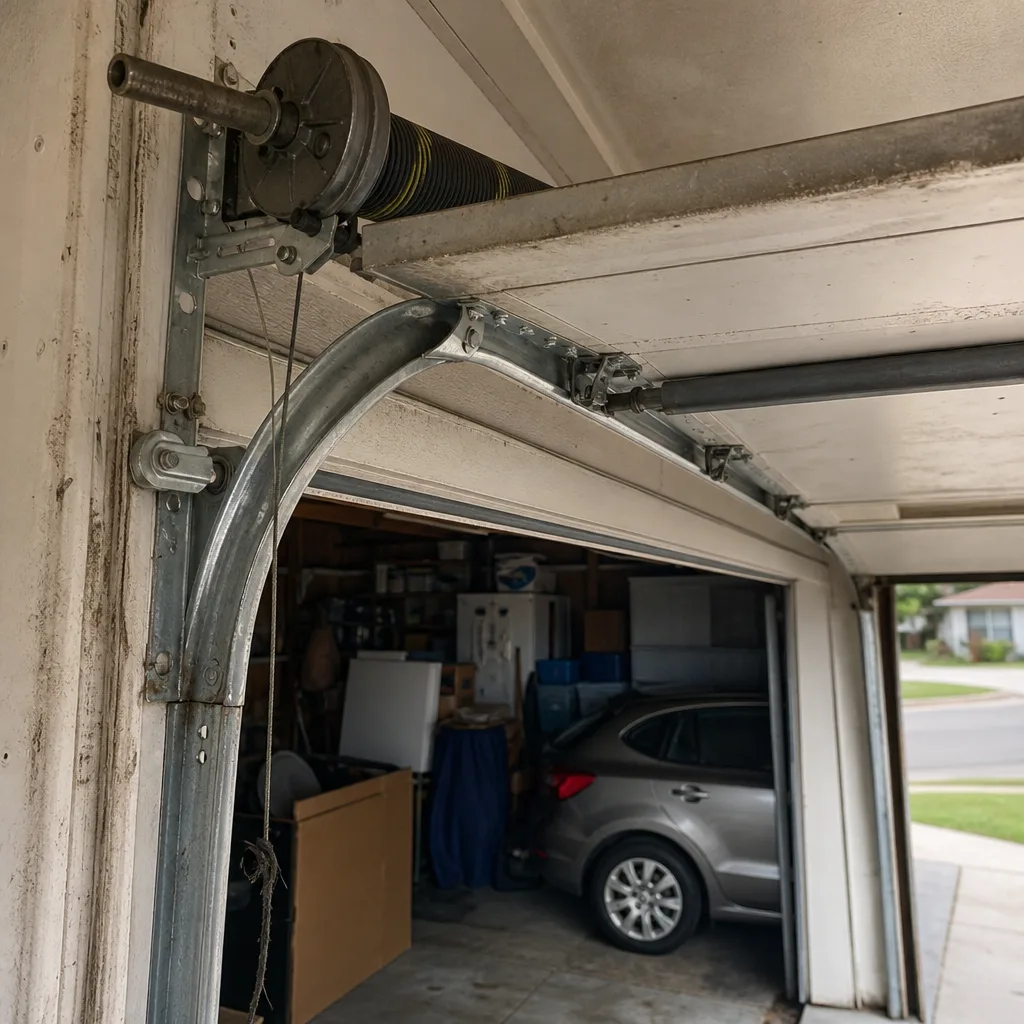 Before
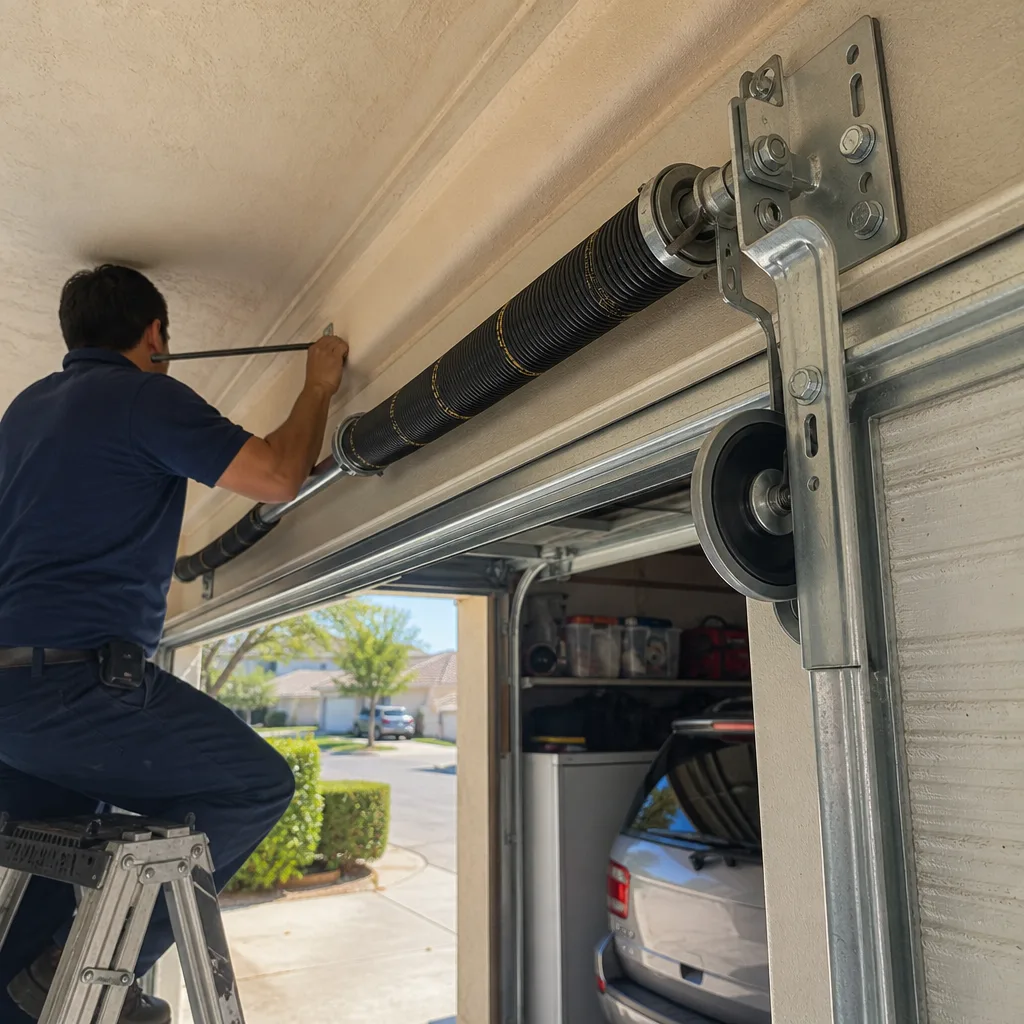 After
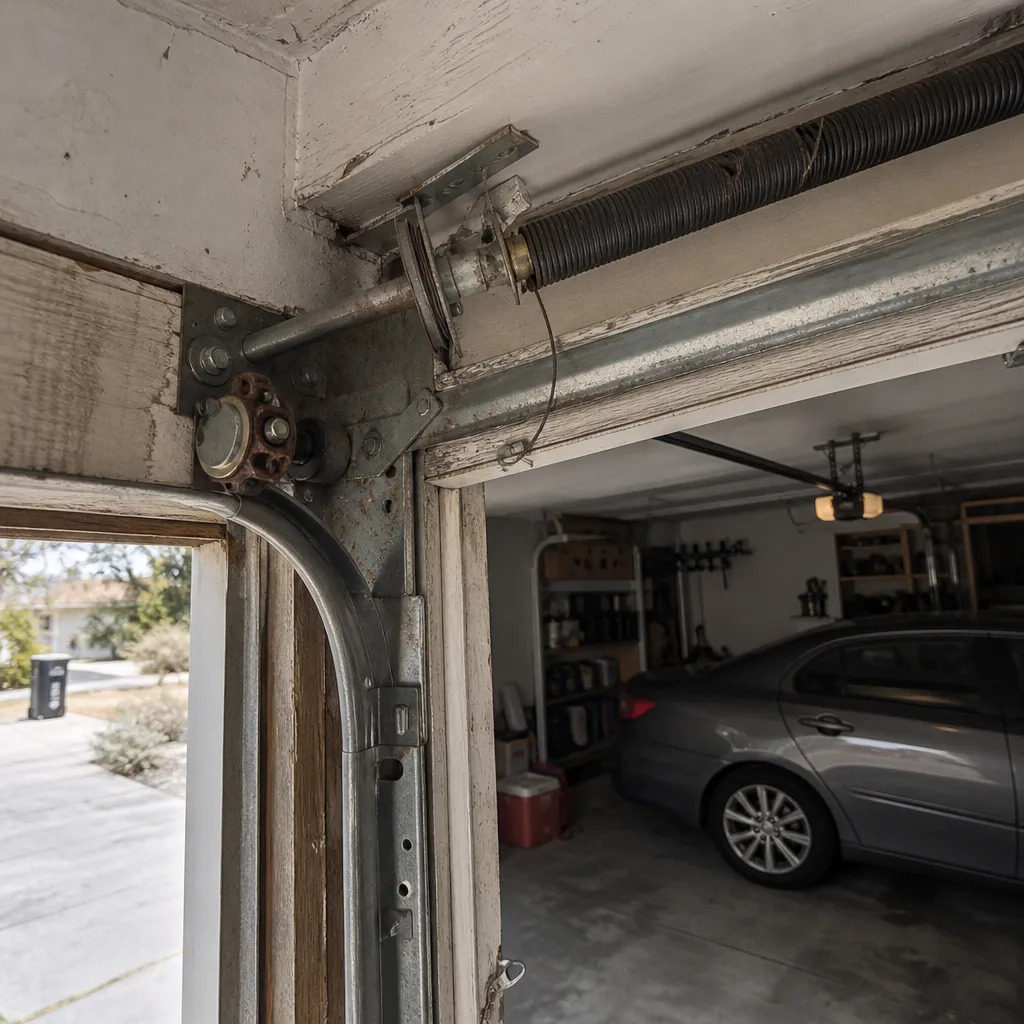 Before
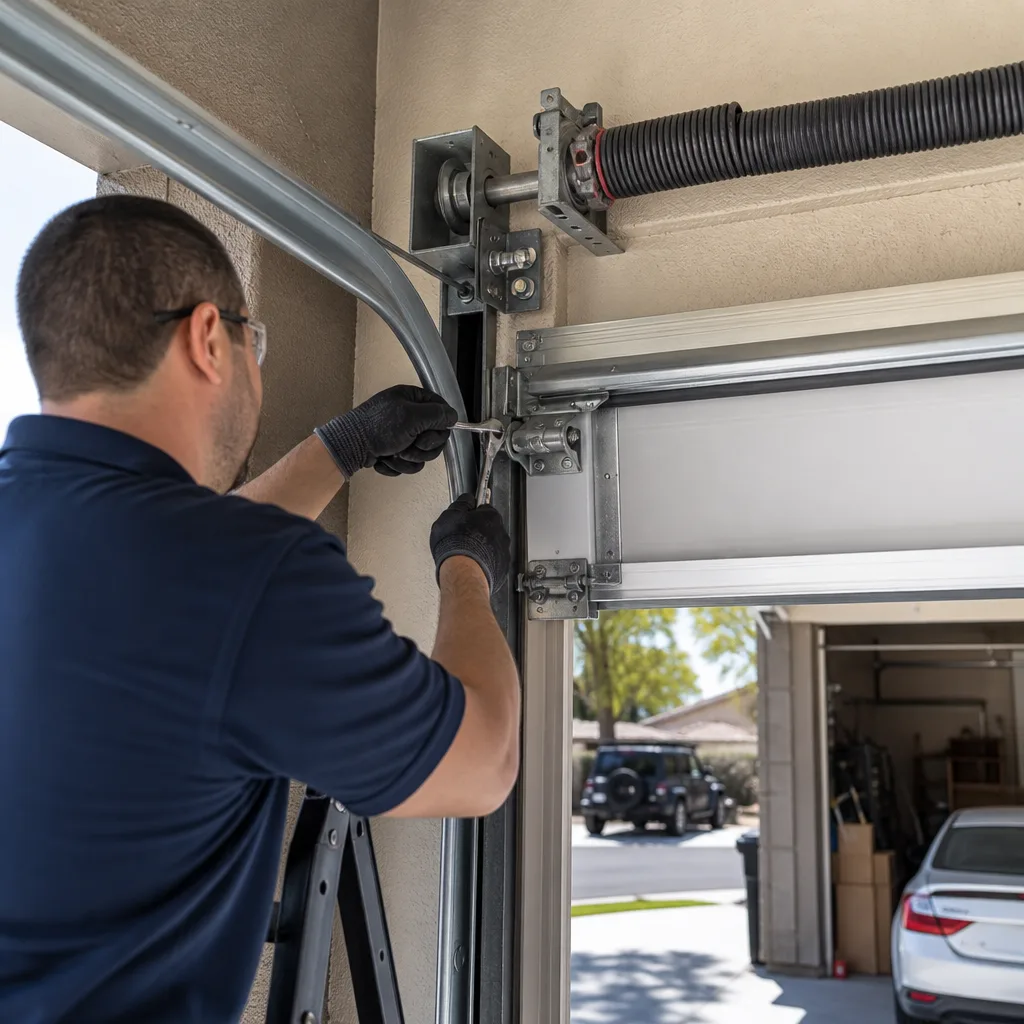 After
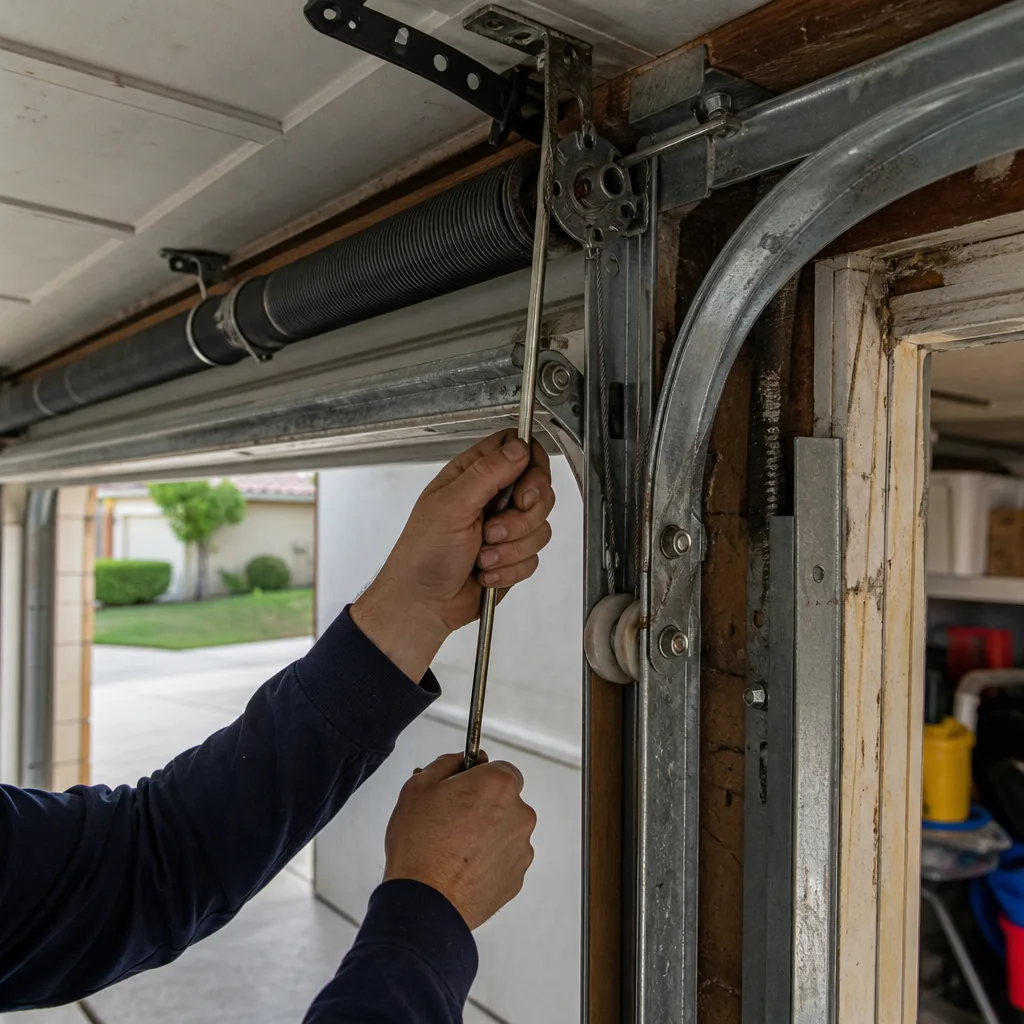 Before
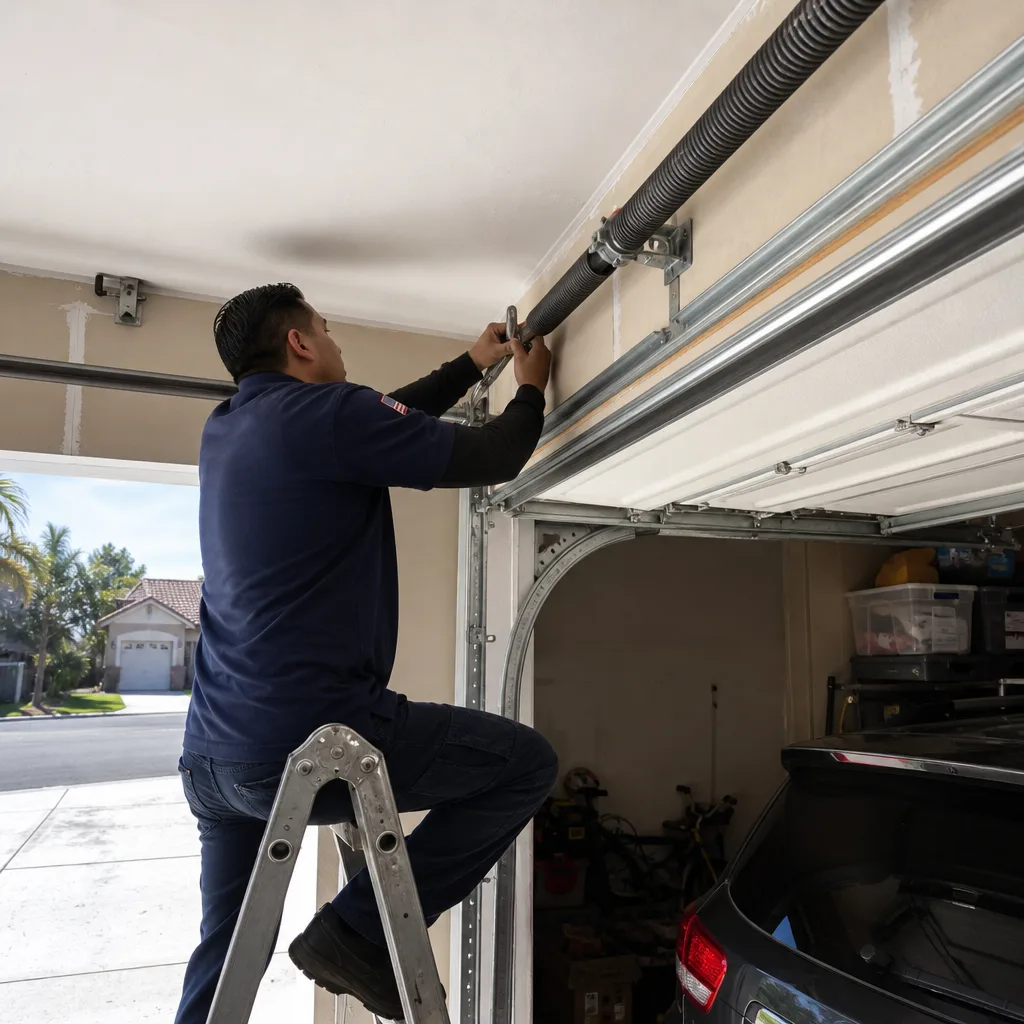 After