
Last updated October 30, 2026
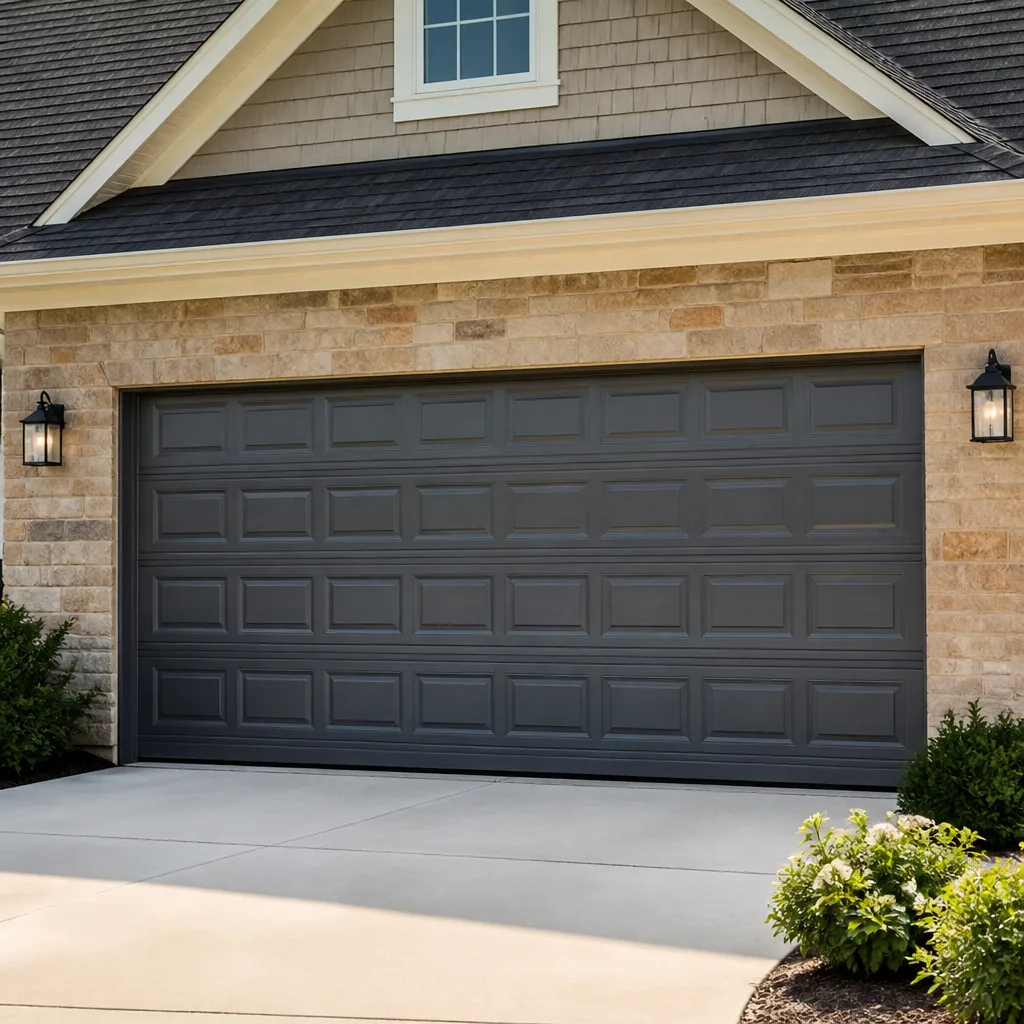 Raised-panel steel
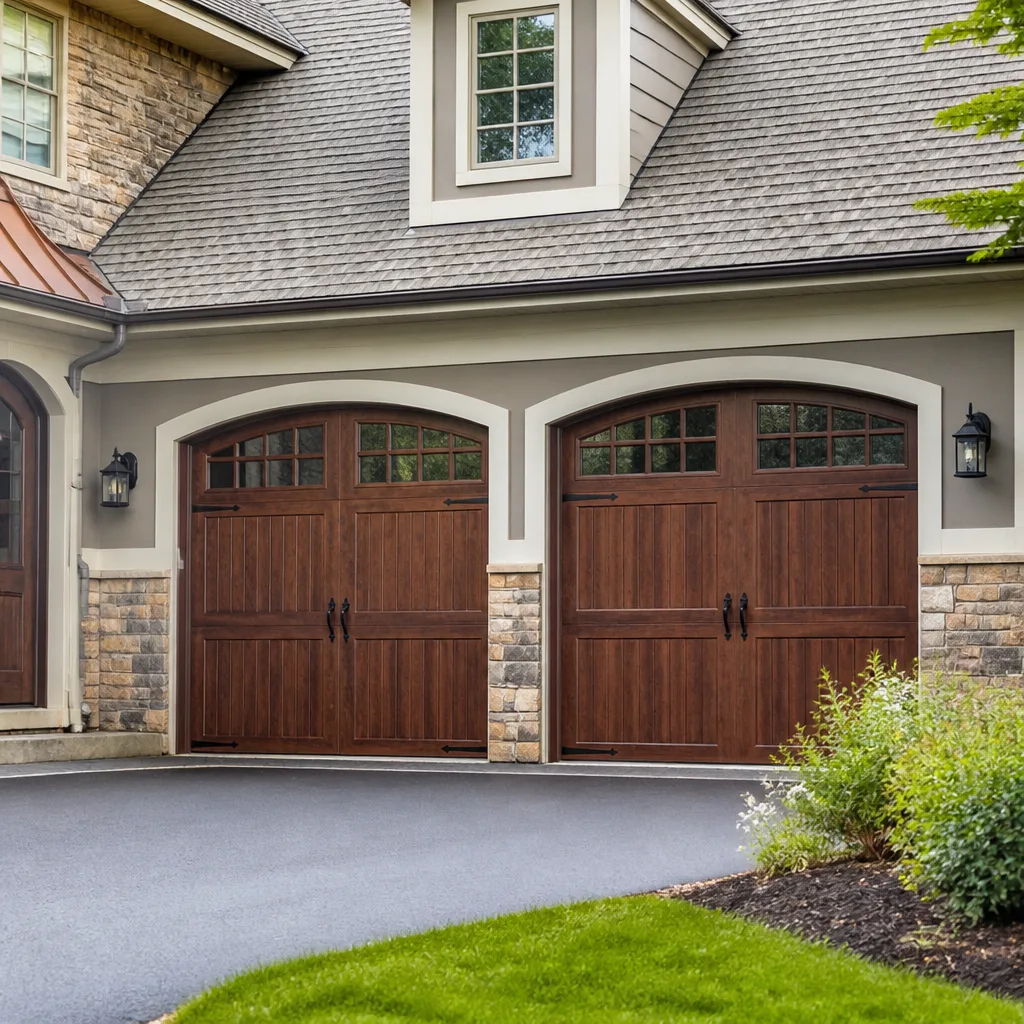 Carriage house
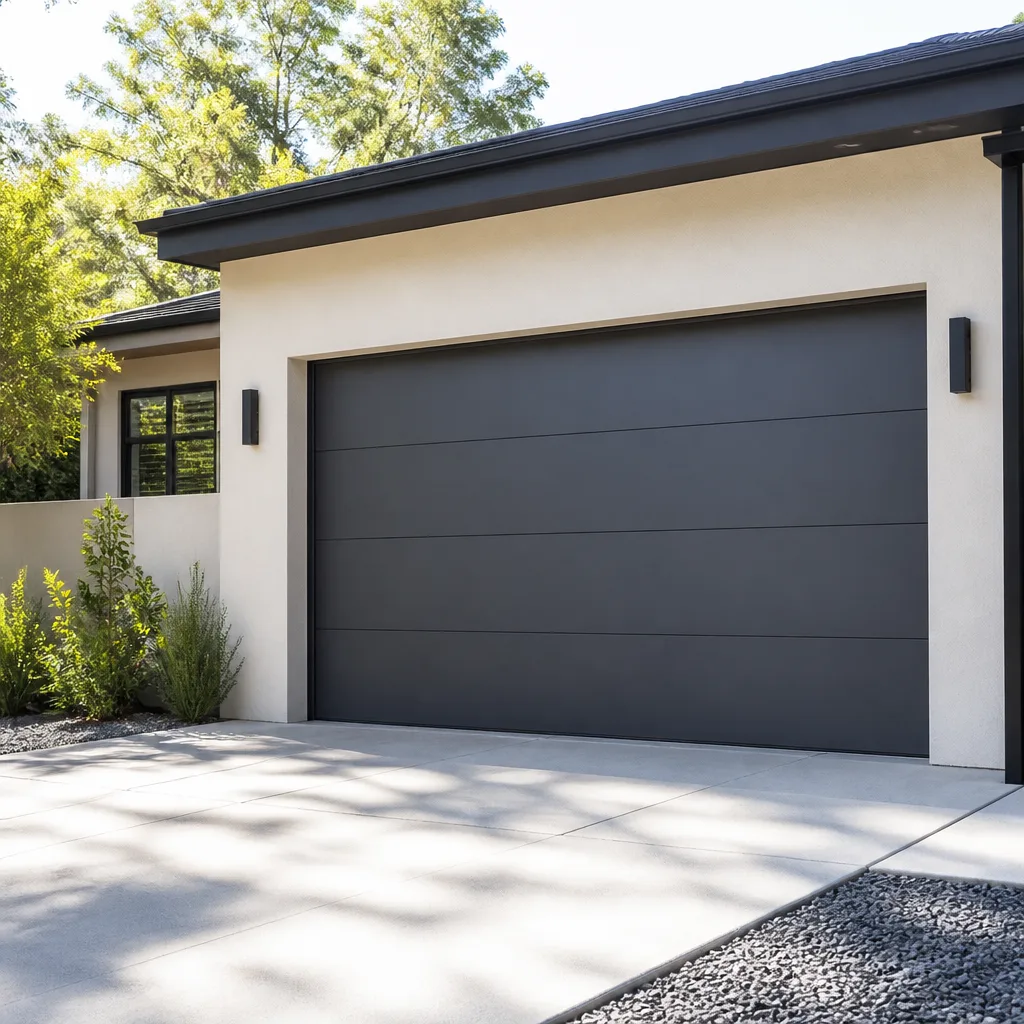 Modern flush
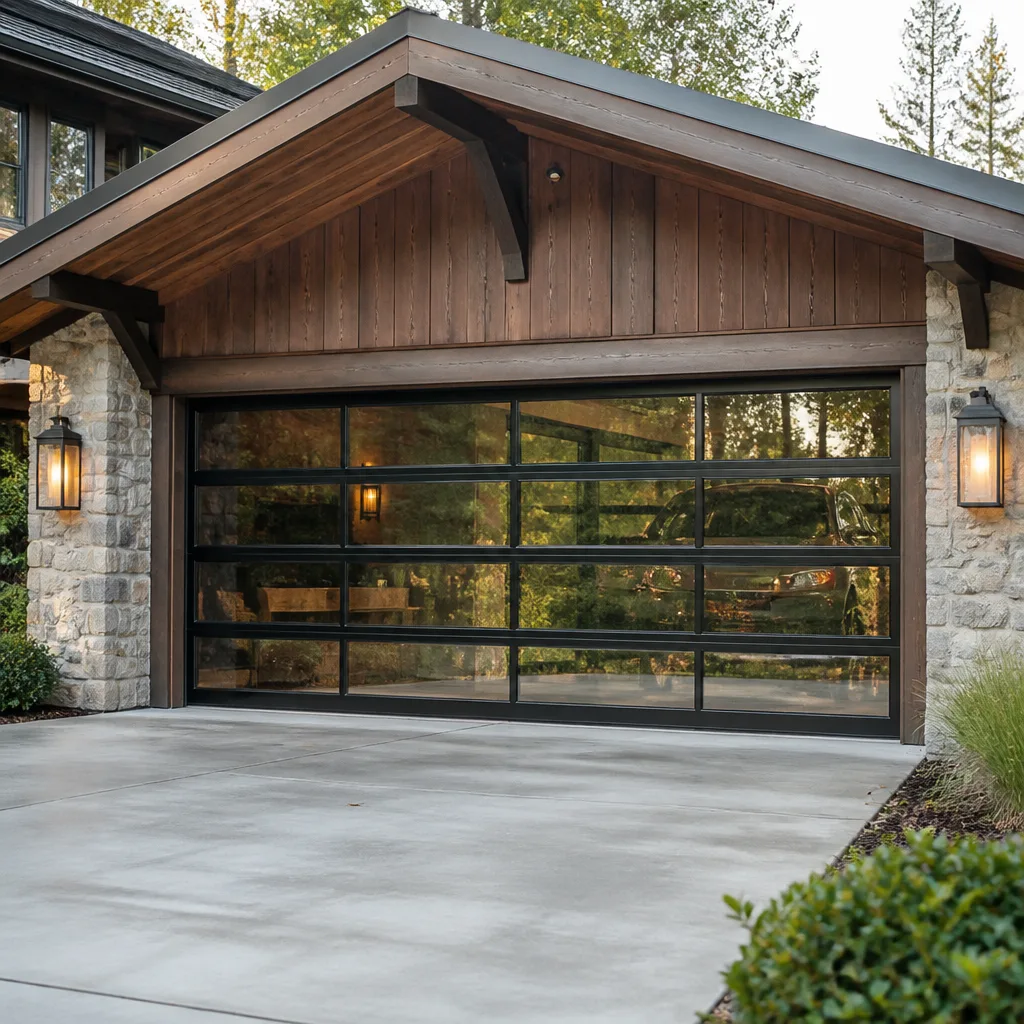 Full-view glass
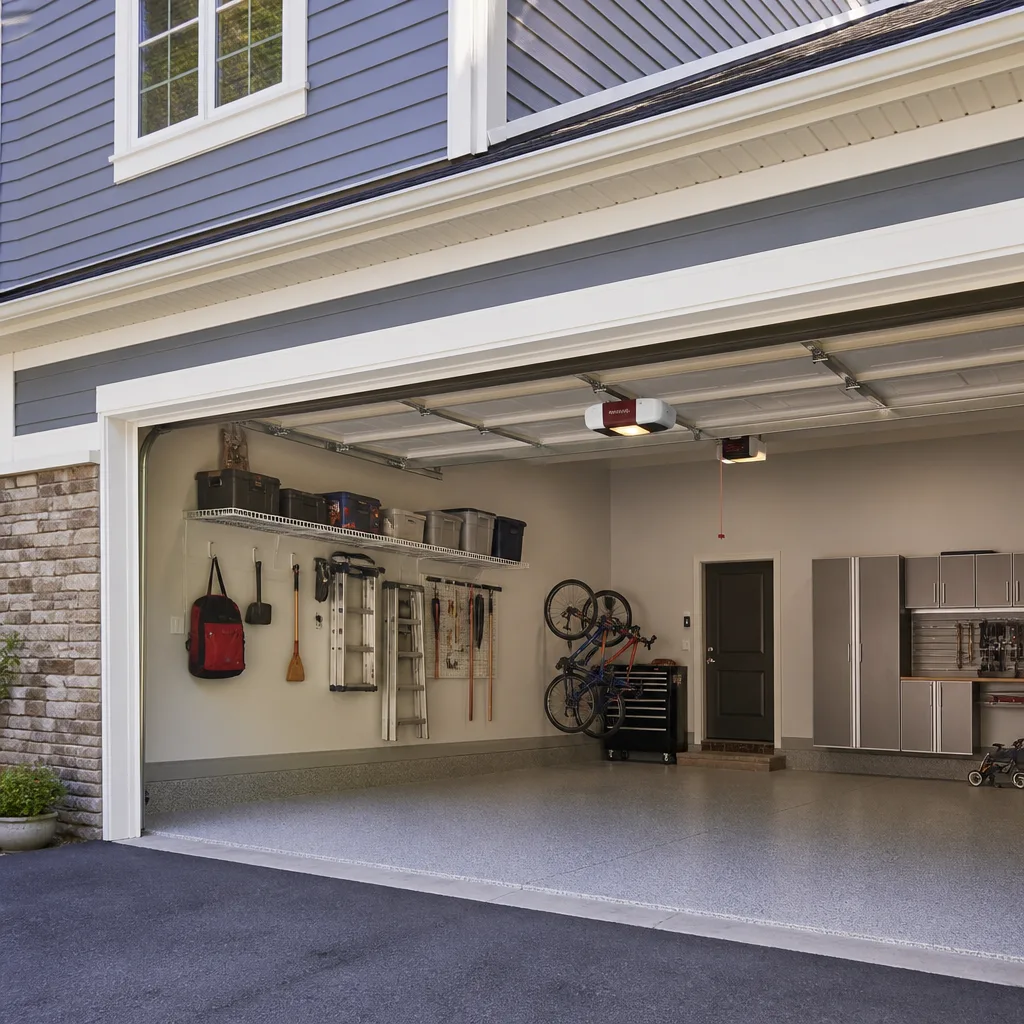 LiftMaster openers
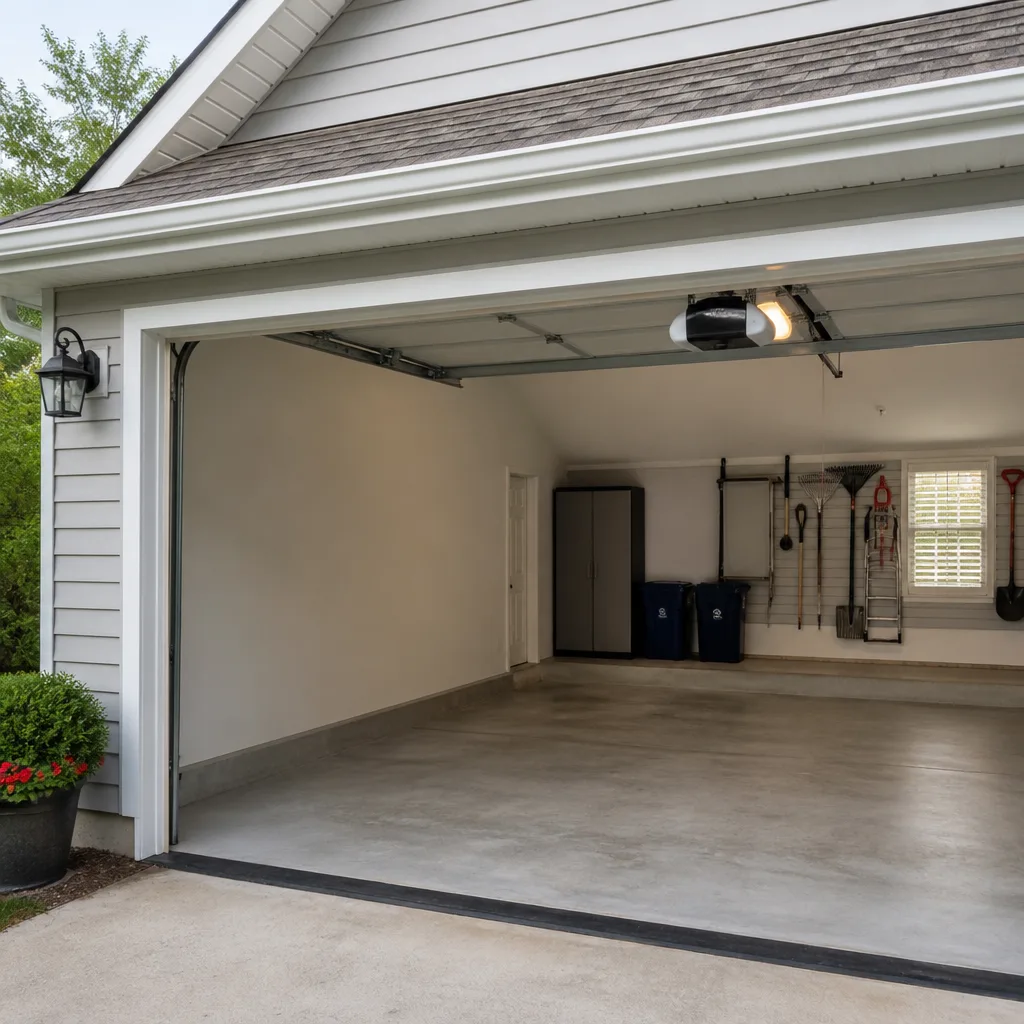 Chamberlain openers
Full 25-point door and opener safety check with every visit - springs, cables, rollers, tracks, and your LiftMaster or Chamberlain opener included
You get a price before we start. It does not change when the truck arrives.
Get your free estimateSeasonal Garage Door Care for Temecula: Year-Round Homeowner’s Guide
October in Temecula is harder on garage door springs than August. That surprises most homeowners, but the physics is straightforward: after a long inland summer of cycling through 95-plus degree days, the torsion springs above your door are fatigued. Then October arrives, overnight lows drop into the 40s, and that metal contracts sharply. Fatigue plus sudden contraction is when springs snap. This guide walks you through what each Temecula season actually does to your door and opener, what to check, what to ignore, and when to pick up the phone. For a broader look at maintenance and repair, see our The Complete Garage Door Repair Guide for Temecula Homeowners.
Quick Answer
Seasonal garage door care in Temecula means matching four specific maintenance tasks to four distinct stress periods: post-summer spring and cable inspection in fall, seal and sensor checks before winter rain, bracket and weatherstripping reinforcement during spring Santa Ana winds, and opener heat management through valley summers. Fifteen minutes per season prevents roughly 80 percent of the emergency calls we see each year. You can find more guides & resources on our blog.
Styles & brands we work with
Table of Contents
- Fall: The Most Important Inspection Season in Temecula
- Winter: Rain, Cold Snaps, and Sensor Care
- Spring: Santa Ana Winds and Dust Infiltration
- Summer: Opener Heat Management
- Year-Round: The Garage Door Log
- Common Mistakes to Avoid
- When to Call a Professional
- Frequently Asked Questions
Fall: The Most Important Inspection Season in Temecula
Most seasonal maintenance guides tell you spring is the big inspection season. For Temecula and the rest of inland Southern California, that advice is backwards. Spring here follows a mild, wet winter. Fall follows the most punishing months of the year. If you only do one deep inspection annually, do it in October or early November, after the last real heat wave but before the first sustained cold front.
What are you looking for? Three things specifically.
Post-Summer Spring Fatigue
Torsion springs have a rated cycle life, typically 10,000 cycles for standard springs. A cycle is one full open and close. In a household where the door goes up and down four times a day, that’s roughly seven years of life. But summer heat changes the math. Higher ambient temperatures soften spring steel slightly, and repeated cycling at elevated temperatures accelerates wear at the molecular level. You can’t see that wear, but you can often see its symptoms.
Look at the gap between coils when the door is closed. If the coils are no longer evenly spaced, or if you see a visible separation where the spring has stretched, the spring is nearing failure. Rust is another tell. Garage door springs in Temecula don’t rust often, because the climate is dry. When you do see rust, it usually means the spring is old enough that the protective coating has worn through.
We’ve seen springs snap in Redhawk, Harveston, and Paseo del Sol garages within a week of the first cold front. The pattern is predictable. A spring that survives the summer snaps when the first night drops below 45 degrees. Inspecting in early October catches these springs before they fail.
Cable Wear at the Drum
The lift cables wrap around drums at each end of the torsion tube. Over time, the cable can fray where it enters the drum, or develop flat spots from repeated contact. Run your eyes along the cable from the bottom bracket up to the drum. If you see any burred strands, kinks, or a shiny worn section, the cable is in its final stage. Cables rarely snap without warning. The warning is visible fraying, and fall is when you catch it.
Balance Test
- Close the door.
- Pull the red release handle to disengage the opener.
- Lift the door manually to waist height.
- Let go. A balanced door stays roughly in place. A door that drops or rises is unbalanced.
- Re-engage the opener by pulling the release handle toward the door until it clicks.
An unbalanced door puts uneven load on the springs and the opener motor. If your door drops when you test it this fall, address it now rather than waiting for the spring to fail. The repair is less expensive than the emergency call, and it’s safer to catch before the cold snap hits.
Fall checklist for Temecula homeowners:
- Inspect both torsion springs for gaps, rust, or uneven coils
- Check lift cables for fraying near the drums
- Run the manual balance test
- Clean the photo eye sensors with a dry microfiber cloth
- Test the auto-reverse safety feature with a roll of paper towels
If any of these checks reveal a problem, call a professional. Spring and cable work is dangerous. The torsion assembly holds enough tension to seriously injure someone who doesn’t work with it regularly. A quick phone call is cheaper than a hospital visit.
For homeowners in the Temecula Valley who want a second set of eyes, Seabreeze Garage Door home offers fall inspections with honest recommendations. We work on eight major brands, including Raynor and LiftMaster, so the advice you get matches the door you actually have.
Winter: Rain, Cold Snaps, and Sensor Care
Temecula winters are gentle by most standards. Daytime highs in the 60s, overnight lows occasionally dipping into the 30s, and a handful of rain events between December and March. But that combination creates a specific set of problems for garage door systems, and they’re different from what a homeowner in, say, Minneapolis faces.
Bottom Seal Contraction
The rubber or vinyl weatherstrip along the bottom of your door is designed to flex. When temperatures drop, that material stiffens and shrinks slightly. On older seals, that shrinkage opens small gaps at the corners. During a rain event with wind, water finds those gaps and seeps into the garage.
Check your bottom seal in early December. Run your hand along it while the door is closed. If you feel gaps, cracks, or see daylight at the corners, the seal has reached the end of its life. Replacement seals are inexpensive and take a professional about twenty minutes to install. The damage from a wet garage floor, soaked drywall, or ruined stored items costs considerably more.
Sensor Lens Fog and Alignment
Rapid temperature swings between cold nights and warm afternoons create condensation. Photo eye sensors near the bottom of the door tracks are particularly vulnerable. Condensation on the lens diffuses the infrared beam, which makes the opener think something is in the door’s path. The result is a door that reverses for no apparent reason, or refuses to close.
If your door starts acting up on a cold morning but works fine by afternoon, condensation is the likely culprit. Wipe the sensor lenses dry. If the problem persists, check that both sensors are still aligned. A small bump from a car bumper or a kicked soccer ball can knock a sensor a few degrees off axis. Most sensors have indicator lights: a solid green or amber light means alignment is good; a blinking or dark light means something is wrong.
Lubrication Viscosity in Cold Weather
Garage door lubricants thicken in cold temperatures. A lithium-based or silicone spray that flows smoothly at 75 degrees gets sluggish at 40 degrees. That thickening adds resistance to the rollers, hinges, and the opener’s drive system.
The fix is simple: use a lubricant rated for cold weather, and apply it to the moving parts before the coldest stretch of the year. Late November is the right timing for Temecula. Focus on the hinges, the roller bearings, and the torsion spring itself. Avoid the track. Lubricating the track creates a sticky buildup that attracts dust and makes the rollers work harder. If your LiftMaster or Chamberlain opener uses a belt drive, check the belt tension too. Cold weather can cause belts to stretch just enough to slip under load.
Winter maintenance steps:
- Inspect the bottom seal for gaps and cracks in early December
- Wipe photo eye sensors dry on cold mornings
- Check sensor alignment if the door reverses unexpectedly
- Re-lubricate hinges, rollers, and springs in late November
- Test the opener’s force settings during the first cold snap
One more winter note: if your garage door has windows and faces south, the winter sun sits lower in the sky and can hit the sensors directly. A sensor that works all summer may suddenly fail between 3 and 5 PM in January when the sun angle lines up with the garage. A piece of cardboard or a sensor hood fixes this. If it keeps happening, give us a call, because sometimes the issue is a dying sensor board inside the opener itself.
Most of what we see in winter involves openers. Garage Door Opener Repair in Wildomar is a service we run year-round, but winter condensation and sun-angle issues send more homeowners our way than any other season.
Spring: Santa Ana Winds and Dust Infiltration
Ask any Temecula homeowner what defines spring, and they’ll tell you the same thing: wind. Santa Ana events typically run from October through April but peak in the spring months, with gusts that hit 50 to 60 miles an hour in exposed areas. Those winds do two things to garage door systems: they push against the door face, and they drive fine dust into every gap.
Bracket Hardware and Wind Load
A sectional garage door is a large, flexible sail. When a 50-mile-an-hour gust hits it, the door flexes inward. That flex transfers force to the hinges, the roller brackets, and the mounting brackets that hold the tracks to the wall. Over repeated wind events, the lag screws holding those brackets can work loose.
Take a quick tour of your garage in March or April. Look at the vertical track brackets on both sides. Wiggle the track by hand. If it moves more than a fraction of an inch, tighten the lag screws. If a screw spins without tightening, the hole has stripped and the bracket needs to be re-seated with a larger fastener. This is a twenty-minute fix for a professional and the difference between a door that rides true and a door that jumps the track on a windy afternoon.
Weatherstripping and Dust
The jamb seals running up the sides of your door take a beating from wind-driven dust. Fine Temecula dust works its way between the seal and the door frame, then abrades the rubber every time the door cycles. Seals that look fine from a distance may be worn thin where the dust accumulates.
Inspect the side seals visually each spring. Look for gaps between the seal and the door. Close the door and run your hand along the inside edge on a bright day. If you see light leaking in, the seal has compressed past usefulness. Replacing jamb seals keeps out dust, reduces drafts, and cuts down on the amount of grit that reaches your springs and rollers.
Track Grit and Roller Wear
Dust is also the enemy of your rollers. Nylon rollers with sealed bearings shrug off dust pretty well. Steel rollers without bearings collect grit and grind it into the track. If you hear a gritty, grinding sound when the door moves during windy months, the dust has found its way into the roller assemblies.
Cleaning the tracks is straightforward: wipe them down with a dry cloth and remove any visible dust cakes. Don’t lubricate the tracks themselves. If the rollers are worn or noisy, replacing them with nylon rollers is a common upgrade we recommend for houses in windy neighborhoods like Crowne Hill and Morgan Hill, where the door faces the open valley.
Spring wind-prep checklist:
- Wiggle both vertical tracks; tighten loose bracket screws
- Check the top strut for signs of wind flex or cracking
- Inspect jamb seals for wear and compression
- Clean visible dust from tracks and roller surfaces
- Test the door’s full travel during a high-wind day
For homes with older doors, spring wind season exposes weak panels. If your door is the original from a 1990s build and faces west into the prevailing wind, you may notice the top panel bowing. A strut reinforcement can extend the door’s life by years, and we often recommend it as a lower-cost alternative to full replacement. But if the panels are already cracking, replacement becomes the practical path. Garage Door Installation in Wildomar is one of the three core services we handle, and we’re happy to give you a straight read on whether your existing door is worth reinforcing.
Summer: Opener Heat Management
Temecula summers are the reason the rest of the country thinks California is always hot. July and August regularly push past 95 degrees, and garages, especially south-facing or uninsulated ones, climb far beyond that. We’ve measured interior garage temperatures over 130 degrees in Temecula during heat waves.
That heat does two things to your garage door opener. First, the motor runs hotter, which degrades the internal insulation on the windings over time. Second, the circuit board’s components expand and contract with each daily temperature cycle, which stresses solder joints and connectors. Openers in hot garages fail younger than openers in shaded or insulated ones. The pattern is consistent enough that we can predict it: a Chamberlain or LiftMaster opener in an uninsulated south-facing garage lasts roughly two to three years less than the same unit in a shaded north-facing garage.
Heat Mitigation for Your Opener
- Install a garage door insulation kit or reflective barrier on the interior face of the door. This is the single most effective step and typically costs less than $200 in materials.
- Ventilate the garage during the coolest part of the day, early morning, for thirty minutes to flush trapped heat.
- Check the opener’s ventilation slots. Many openers have cooling vents that get coated with dust and grime. A vacuum with a brush attachment clears them.
- If your opener has a plastic housing and is mounted in direct sun, consider shading just the opener with a small sheet metal heat shield. Don’t box it in; motors need airflow.
Belt Stretch and Drive Tension
Heat also affects the drive system. Belt-driven openers from brands like Genie and LiftMaster use a reinforced rubber belt. In a 130-degree garage, that belt softens and stretches slightly. When it stretches past the adjustment range, you hear a slapping sound during operation, or the door jerks at the start of each cycle. Adjusting belt tension is a fifteen-minute fix, but it’s one of those jobs that’s easy to over-tighten. Too much tension wears the spindle bearing. If you’re hearing belt noise during summer months, call us before tightening it yourself.
Chain drives are less sensitive to heat but need occasional tensioning as the chain wears. Chain stretch is gradual and year-round, but you’ll notice it more in summer when the metal contracts and expands with the daily temperature swing.
Capacitor Failure Patterns
The capacitor in your opener’s motor circuit is a cylindrical component that stores the electrical charge needed to start the motor. Capacitors are rated for a specific temperature range, and sustained heat dramatically shortens their life. A failing capacitor shows up as an opener that hums but doesn’t move, or one that starts slowly and builds to full speed. If your opener acts up on the hottest afternoons but works at night, the capacitor is likely the culprit. This is a straightforward diagnosis and repair for a trained opener specialist.
Summer heat management is one area where the brand-agnostic approach matters. Some opener models tolerate heat better than others, and the advice we give differs depending on whether you have a Genie belt drive, a LiftMaster wall-mount unit, or an older Craftsman chain drive. For help selecting equipment, read Choosing the Right Garage Door Brand: A Buyer’s Guide for Temecula. We work on all of them daily, and we can tell you specifically what your model needs rather than giving generic advice.
Year-Round: The Garage Door Log
The single most valuable habit a Temecula homeowner can develop is keeping a simple garage door log. It takes thirty seconds after each seasonal check and pays off in years of faster, cheaper maintenance. Here’s what it looks like in practice.
Keep a small notebook or a notes app entry with four columns: date, season, observation, action taken. Write down what you observed during each seasonal check. Not just problems, but normal operating sounds, the color and condition of the springs, whether the door felt heavy or light during the balance test, and any temperature anomalies in the garage.
Why does this matter? Because most garage door failures are gradual. A spring doesn’t suddenly wear out in a day. It degrades over months, and the early signs are subtle. A cable doesn’t snap without warning. It frays over weeks. If you’re only checking once a year, you miss the early warnings. If you’re checking seasonally and logging what you see, the pattern becomes obvious.
How to build the habit:
- Set four calendar reminders: first week of November, first week of December, first week of March, first week of June.
- Each reminder takes fifteen minutes. Run the checks described in this guide.
- Log your observations in one or two sentences.
- Compare current observations to the previous season’s entry.
- If you notice a change, call a professional before it becomes an emergency.
In our experience, the homeowners who keep logs have fewer emergency calls, and when they do call, they describe problems more accurately. A homeowner who says “the right spring has a gap that wasn’t there in November” gets a better diagnosis over the phone than one who says “the door is making a weird noise.” The log turns you into a better observer, and a better observer gets better service.
This habit also helps when you sell your home. A garage door log demonstrates that the home was maintained, which matters to buyers in a market like Temecula where garages are often used as workshops, gyms, or storage areas rather than just parking.
Common Mistakes to Avoid
- Lubricating the track. The track is not a moving part. Spraying lubricant on the track attracts dust, creates a paste, and adds resistance. Lubricate only the hinges, roller bearings, springs, and opener drive components.
- Ignoring spring gaps. A small gap between torsion spring coils means the spring has yielded and is heading toward failure. Most homeowners don’t notice until the spring snaps at 6:40 AM on a Monday. Catching it early lets you schedule the replacement on your terms.
- Skipping the manual balance test. The balance test takes two minutes and tells you more about spring health than any visual inspection. A door that’s genuinely balanced is safe; a door that drops when released is not.
- Over-tightening opener belts. A slapping belt is a problem, but an over-tightened belt destroys the spindle bearing. The tension range is narrow, and the difference matters. If you have any doubt, call someone who adjusts belts every day.
- Using WD-40 on garage door components. WD-40 is a solvent, not a garage door lubricant. It strips existing lubrication and leaves moving parts drier than they were. Use a lithium-based or silicone garage door lubricant specifically designed for the application.
- Unplugging the opener to reset it without checking the sensors first. Many “opener failures” are actually sensor alignment issues. If the door won’t close, check the sensor lights before you reach for the power cord.
- Waiting until a hot afternoon to test the opener. Heat-related issues are easiest to diagnose when the garage is hot, so summer afternoon testing is actually useful. But it’s also when opener motors are under peak stress. Test first thing in the morning for baseline, then re-test in the afternoon if you suspect heat issues.
When to Call a Professional
Some garage door issues are safe to observe and log. Others require a trained hand. Torsion springs service is the clearest case. The springs hold hundreds of pounds of tension, and working on them without the correct winding bars and safety protocol can turn a $300 repair into a life-altering injury. If you see spring gaps, rust, or a snapped spring, don’t touch it. Call someone who handles these repairs every day.
Cable replacement is similarly hazardous. The cables work with the springs under tension, and a fraying cable can release without warning. If your lift cable is frayed or has jumped the drum, that’s a professional repair. Opener motor diagnosis also falls into the professional category because modern openers from LiftMaster, Chamberlain, and Genie have circuit boards and safety sensors that require specific test equipment to diagnose accurately.
Seabreeze Garage Door offers free estimates in Temecula. Call (888) 913-4062 and we’ll give you a straight read on what’s wrong and what it costs, with no pressure.
Frequently Asked Questions
Twice a year is the right cadence for Temecula: once in late November before the cold snaps, and once in May before the summer heat. Use a lithium-based or silicone lubricant on the hinges, roller bearings, and torsion spring. Avoid the track and avoid WD-40. If you hear squeaking between those intervals, reapply sooner and check for worn rollers.
Summer heat above 120 degrees inside the garage causes capacitors to degrade, belts to stretch, and motor windings to run hot. South-facing or uninsulated garages are the worst offenders. The fix starts with insulating the door and ventilating the garage in the morning. If the opener still labors on hot afternoons, the capacitor or belt tension likely needs attention. Call (888) 913-4062 for a diagnosis.
Yes. Homes in elevated or exposed areas like Crowne Hill, Morgan Hill, and parts of Wine Country get more wind load and more dust than valley-floor homes. The wind flexes the door and loosens bracket hardware; the dust wears jamb seals and roller bearings faster. Bump those homes to a three-times-per-year inspection schedule: fall, early spring wind season, and mid-summer.
Standard torsion springs are rated for 10,000 cycles, which translates to about seven years for a door used four times a day. Temecula’s summer heat can shorten that to five or six years on south-facing doors. High-cycle springs rated for 20,000 to 30,000 cycles are available for an incremental cost, and they’re worth considering if you use the door as your main entry point.
Yes, and it’s one of the few garage door tasks that’s genuinely DIY-friendly. The seal slides out of the retainer channel and the new one slides in. That said, older doors often have a corroded or bent retainer that needs replacing along with the seal, and that’s a job for a professional. If the retainer is intact, match the seal profile to the old one and you’re set. If it’s not intact, call us for a same-day seal replacement.
Look for three warning signs: a visible gap in the torsion spring coils, rust on the spring surface, and a door that’s become noticeably heavier during the manual balance test. Any one of those signs means the spring is in the final stage of its life. A spring that’s about to break is a safety hazard. Have it inspected by a professional who works on your specific brand, whether that’s a Clopay door with standard springs or a Raynor system with proprietary hardware.
The Bottom Line
Seasonal garage door care in Temecula is about timing, not volume. Fifteen minutes in the fall to inspect springs and cables is worth more than an hour of spring cleaning. Five minutes on a cold December morning to dry your sensors prevents a week of door malfunctions. A quick bracket check in March prepares your door for Santa Ana gusts. And a garage that stays under 120 degrees in July keeps your opener alive for years longer. Track what you see, act on the early warnings, and Garage Door Repair in Wildomar or Temecula is one call away when you need it. Seabreeze Garage Door works on all eight major brands, so whatever you have over that driveway, we can handle it.
Written by the team at Seabreeze Garage Door, serving Temecula since 2014.
See the difference
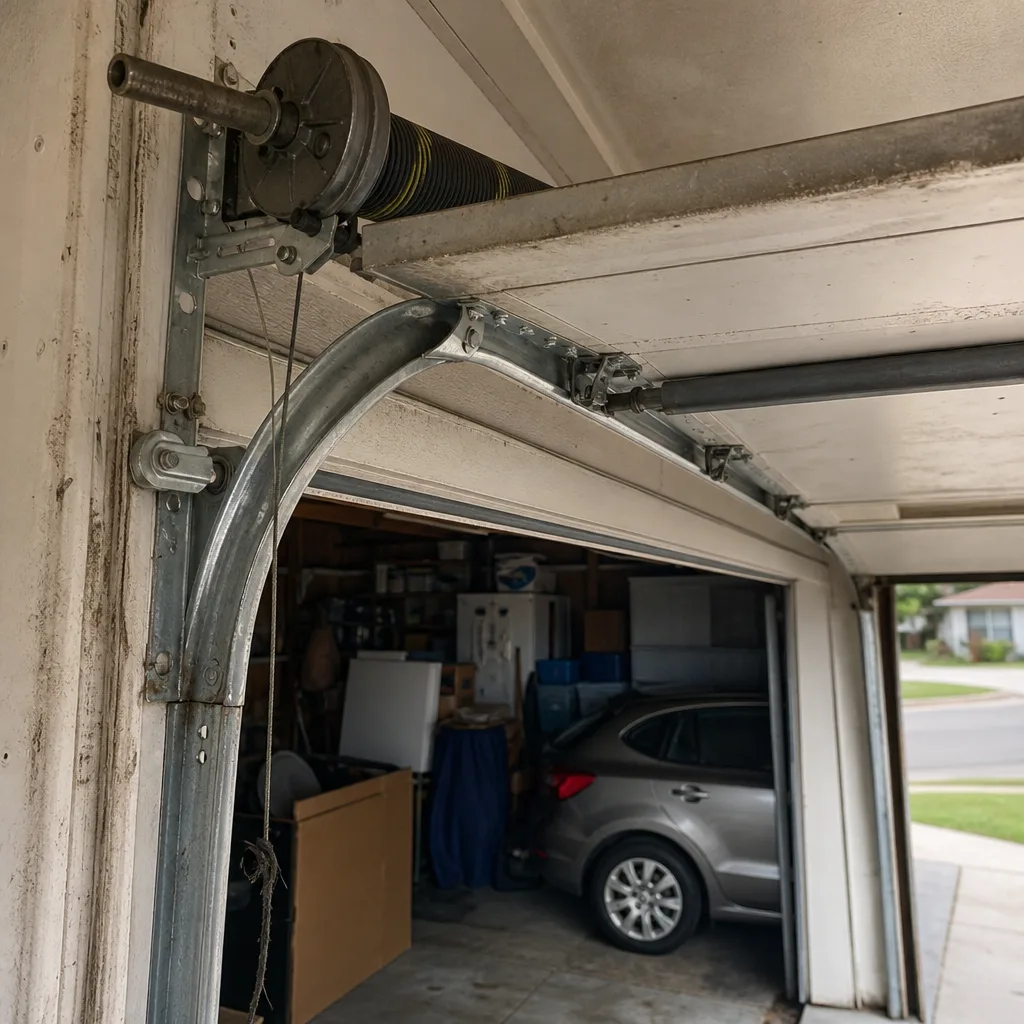 Before
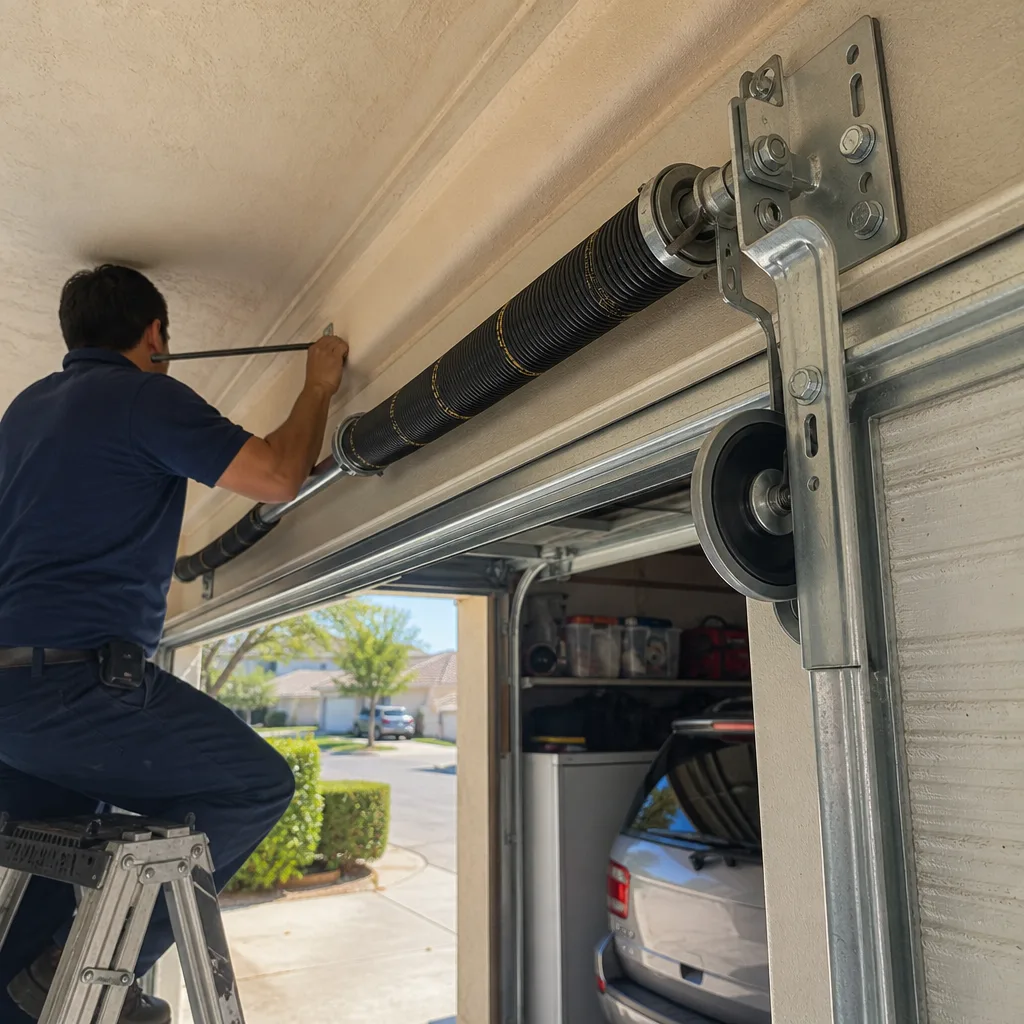 After
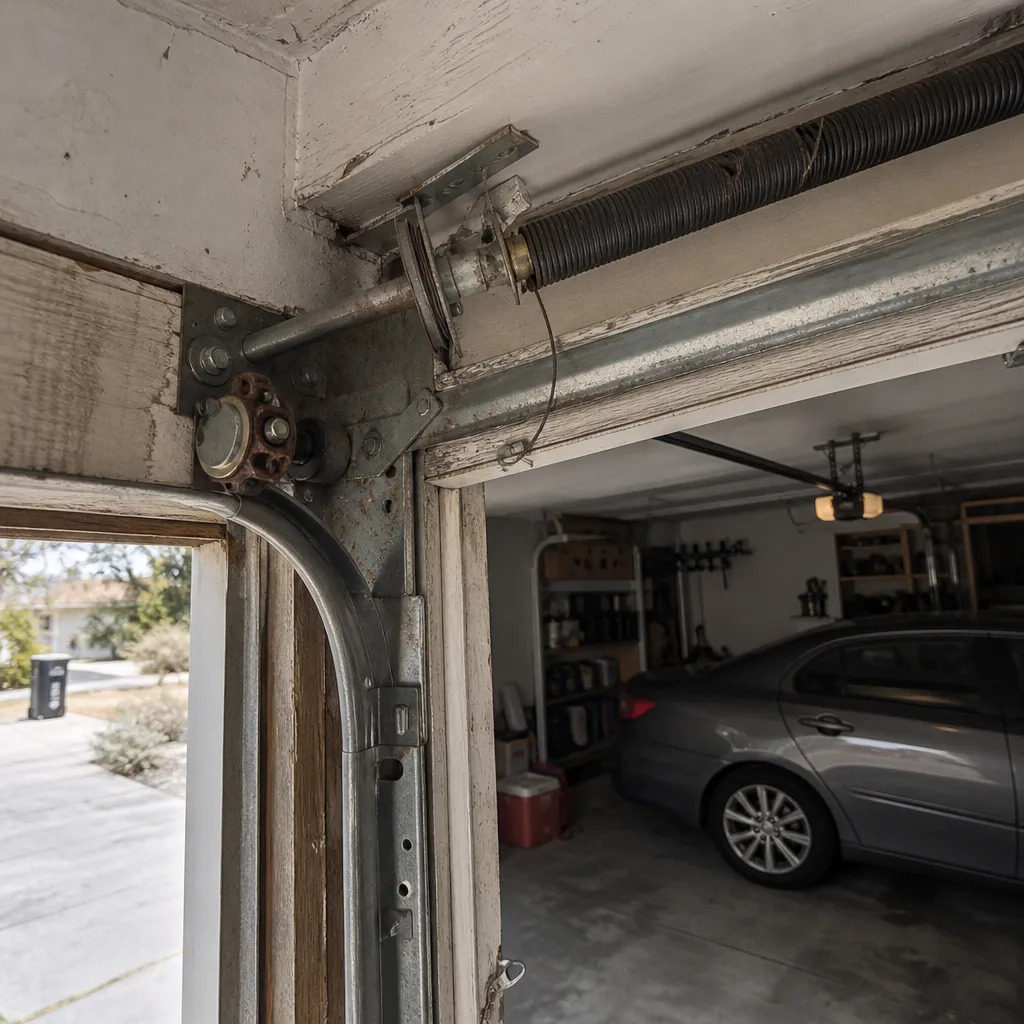 Before
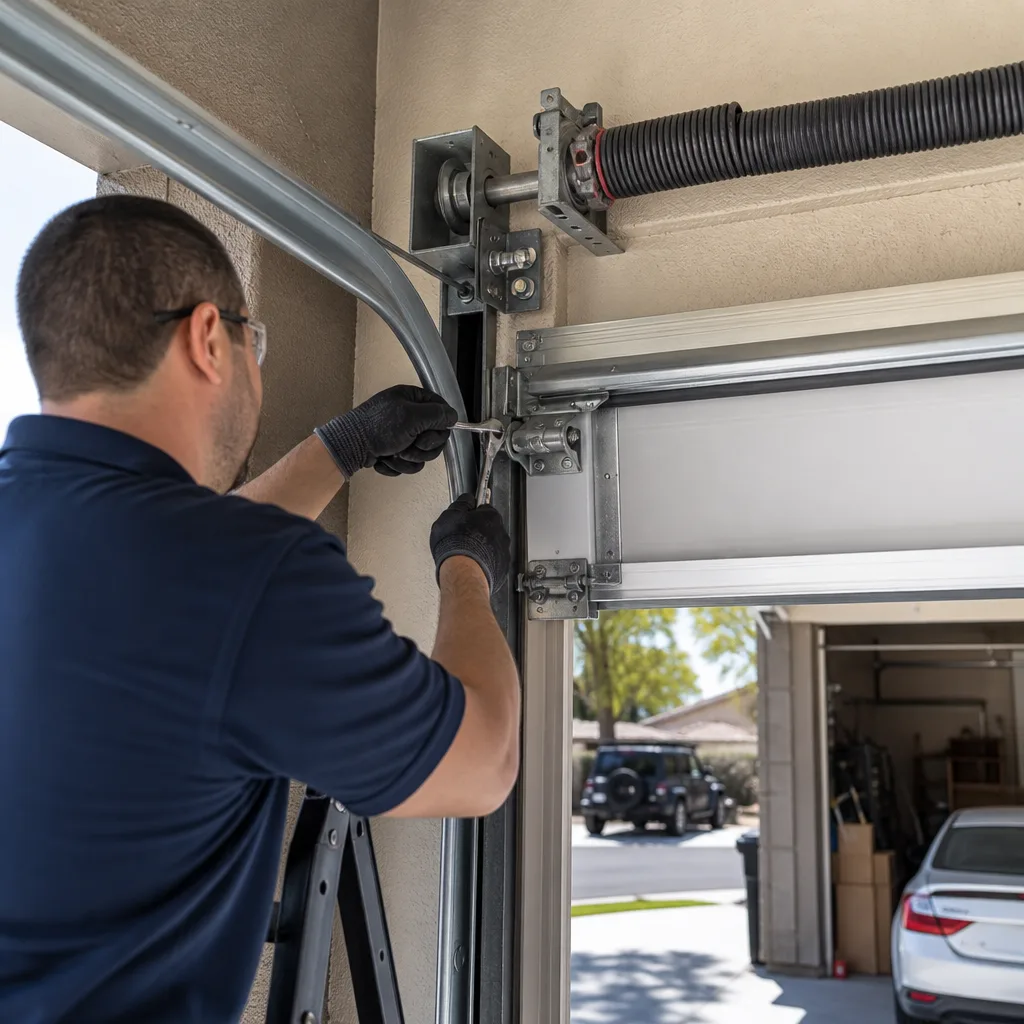 After
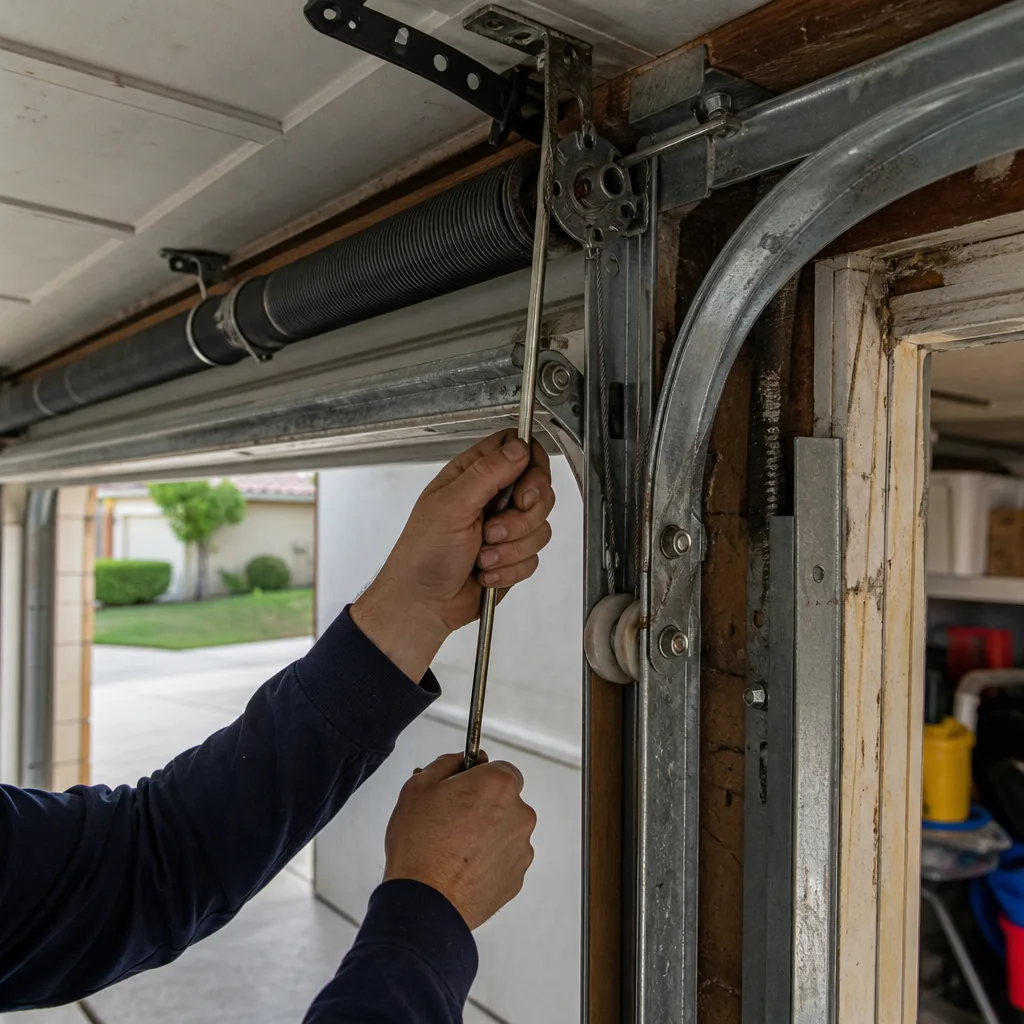 Before
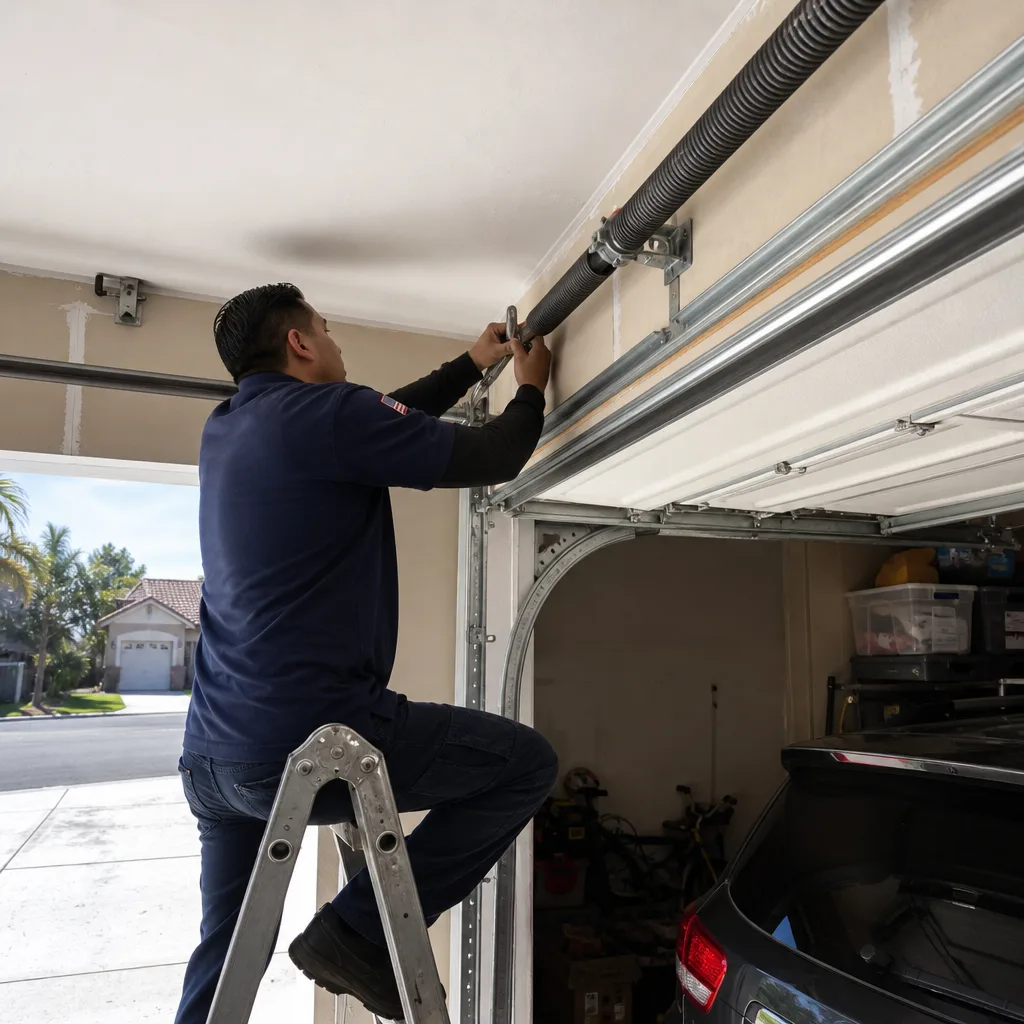 After